
 Worksheets
Private Pilot Lessons 4-5 Quiz
Total questions: 10
Worksheet time: 6mins
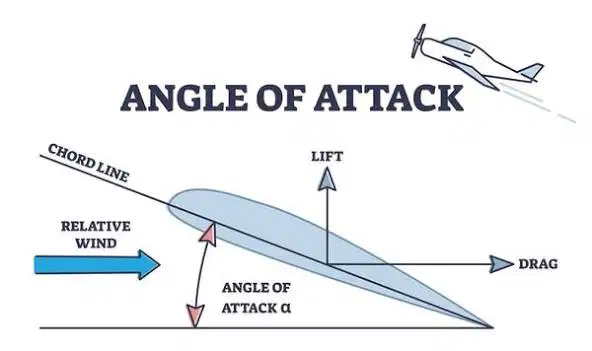
The angle of attack represents the measure between the horizontal plane and the _____.
Drag
Camber
Mean Camber
Chord line
At a higher angle of attack...
Both the lift and the drag generated are greater.
The lift is greater, but the drag is smaller.
The lift is smaller, but the drag is greater.
Both the lift and drag are smaller.
What are some of the indicators of a stall? (Select all that apply)
Mushy, slow-to-respond controls
A "seat of the pants" sensation
An increase in speed
The stall horn going off
How does a pilot recover from a stall?
Decrease power
They can't. They're cooked :(
Increase angle of attack
Decrease angle of attack
When practicing stalls, at what altitude should you plan to be able to recover by if you're flying with a flight instructor?
500' agl
1000' agl
1500' agl
2000' alg
What do side slips and forward slips have in common? (Select all that apply)
They are cross-controlled maneuvers used for landing
They cause an increased rate of loss of altitude, unless you add power
Should be entered quickly
Should be practiced first at high and safe altitudes
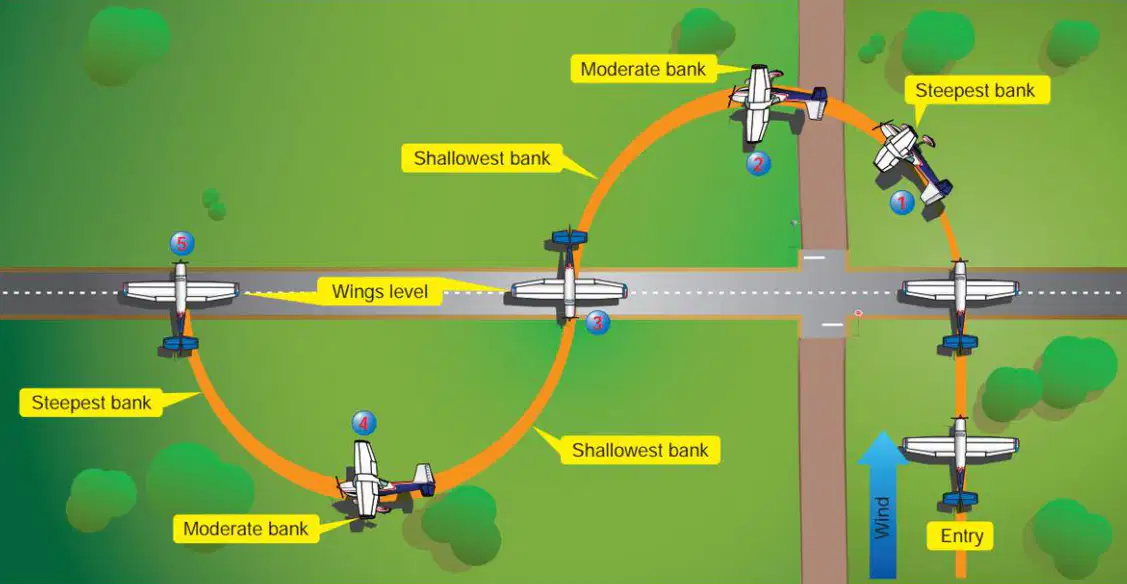
What type of maneuver is depicted in the attached picture?
Turn around a point
Side slip
Forward slip
S turn
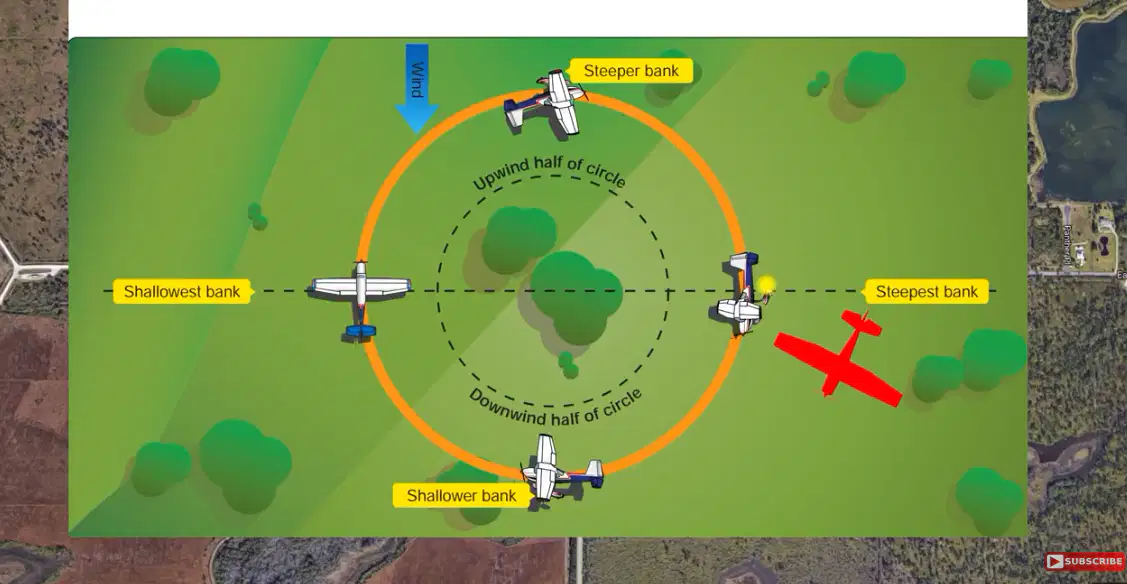
What type of maneuver is depicted in the attached picture?
Turn around a point
Side slip
Forward slip
S turn
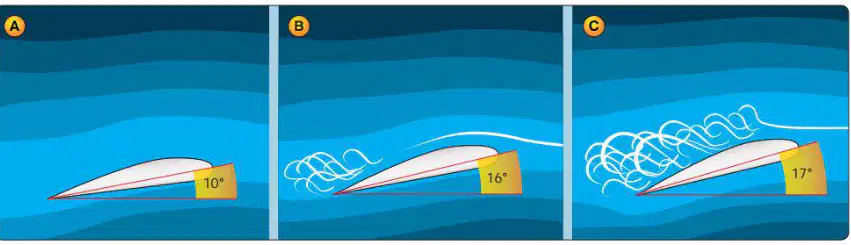
What does the attached picture represent?
At a lower angle of attack, there is no airflow over the top of the wing.
As the angle of attack increases past 16 degrees, the airflow over the top of the wing is disrupted, resulting in a sudden loss of lift.
At an angle of attack greater than 16 degrees, the lift generated is sufficient to fly the airplane.
¯\\_(ツ)_/¯
When turning around a point, you should perform the following actions (select all that apply):
Choose a large object to circle around, like a lake or group of trees.
Start the maneuver on the downwind
Choose an appropriate altitude to fly the maneuver (somewhere between 1500' and 2000' AGL)
Keep an eye out for traffic, while still scanning your instruments and reference points on the ground

