
 Worksheets
Central Heating Level 2 C&G
Total questions: 35
Worksheet time: 16mins
1. Which one of the following documents in the building regulations covers the conservation of fuel and power in domestic properties?
Part L3.
Part L4
Part L1
Part L2
1. The main reason a radiator should be installed 150 mm above floor level is to
reduce the risk of fire
allow the heat to circulate
protect the flooring from possible leaks
allow easier access for maintenance work
1. A thermostatic radiator valve opens and closes as a result of the temperature of the
boiler thermostat
room it is installed in
stored hot water
water in the heating system
When soundness testing a rigid pipe system, the test pressure should be
1 ½ times the maximum working pressure
2 times the maximum working pressure
2½ times the maximum working pressure
10 times the maximum working pressure

Which port is the central heating flow connected to on a mid-position valve
AB
A
B
BA
1. By which one of the following processes do radiators give out 85% of their heat?
Conduction.
Radiation.
Emission
Convection.
A heating system which relies completley on natural convection to work would be better known as......
Semi gravity
Fully pumped
Full gravity
C plan
The purpose of increasing energy efficiency is to.......
Save the consumer money.
To protect the environment.
To preserve our fossil fuels.
All of the above.
How does the water circulate through the radiators in a one pipe system?
Forced circulation using a pump.
Natural convection.
Semi gravity.
Fully pumped.

This valve is a .......
Temperature relief valve
Pressure relief valve
Thermo valve
Automatic air release valve

The purpose of this is to ....
Allow for the expansion of the system pipework
Allow for the expansion of the water in the system
Allow for the expansion of steam in the system
Allow for the expansion of the air in the system
The type of system a Honeywell 'S' plan is....
3 port mid position valve
3 port diverter valve
2 x 2 port zone valves
3 x 2 port zone valves
A 'heat leak' radiator is used to .......
Remove excess heat from the room.
Allows more heat to come off the radiator.
Remove excess heat from the system to prevent 'venting over'
Remove excess heat from the system to prevent pipework from expanding too much.

What fitting is this?
Brass stop end.
Brass 3 way adaptor
Brass 3 port reducer
Brass pipend manifold
If I was using soft fully annealed pipe what grade would it be?
R250
R220
R290
R200
How high should the open vent pipe on a central heating system extend?
150mm above the water line
250mm above the water line
350mm above the water line
450mm above the water line

This fitting is called........
Anti gravity valve
Cytrol valve
Air seperator
Water seperator

What is this component?
Blank cap
Bleed valve
Automatic air vent
Expansion vessel

What is this component?
Air separator
Expansion vessel
Automatic air vent

Name this component
BS 1212 part 1 FOV
BS 1212 part 2 FOV
BS 1212 part 3 FOV
BS 1212 part 4 FOV

Name this component
Room thermostat
Programmer
Cylinder thermostat
Remote sensor

What is this component?
Feed and expansion cistern
Cold water storage cistern
What is the normal capacity of this component?
4 Litres
10 Litres
18 Litres
24 Litres

Which system of control would this item be used with?
C plan
C plan +
S paln
Y plan
The British Standard for the design of water based heating systems is:
BS 6700
BS EN 12828
BS EN 12058
BS 9001
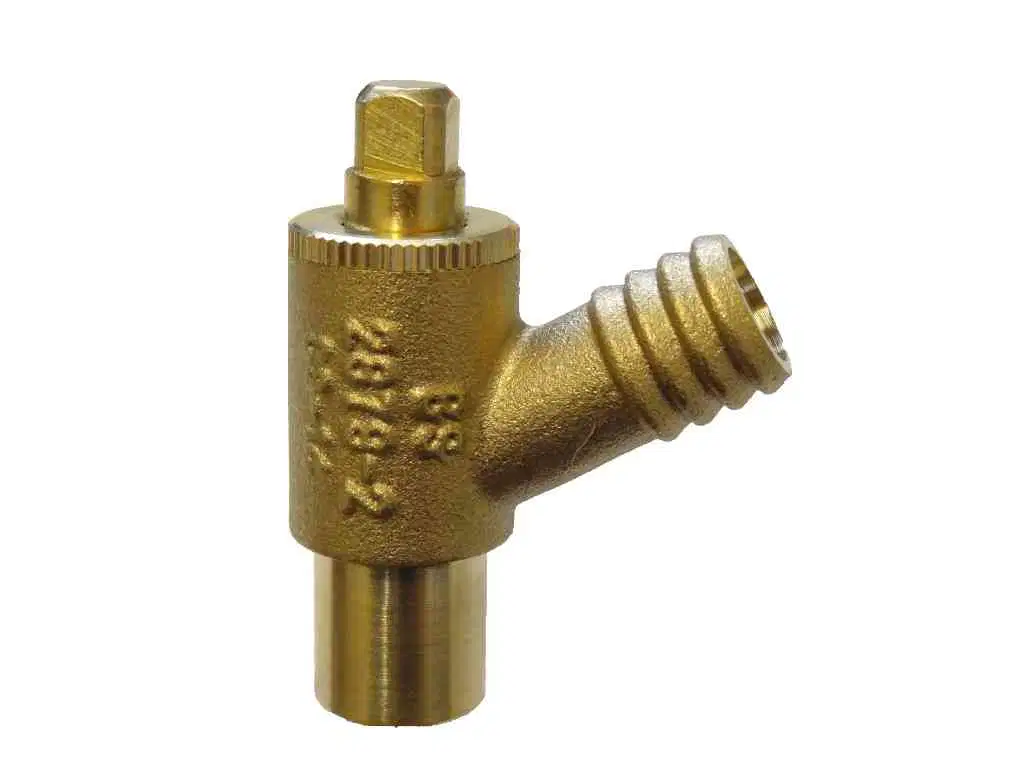
22. Where in a central heating system should this item be installed?
Near the boiler
In the living room
In the attic
At the lowest part of the system pipework to drain off the water
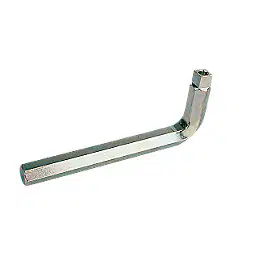
Identify the device shown in image 5.
Tooth pick for maximus prime
Sponner
Allen key radiator tail connector
A todger key
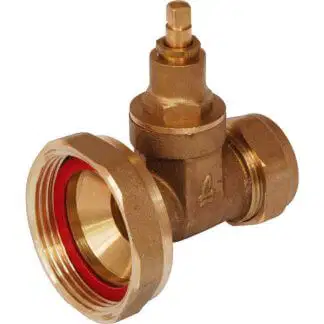
Identify the component shown in image 8.
Flange valve
Pump valve
Inductor flange connector
Transistor lock shield
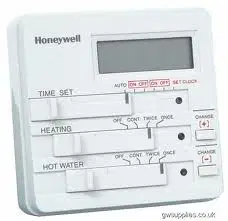
Identify the component shown in image 9.
Resistor to change are you??
Capacitor
Inductor
Programmer
Outline the difference between a traditional non condensing boiler and a condensing boiler.
A traditional non condensing boiler is more efficient than a condensing boiler.
A condensing boiler is more efficient than a traditional non condensing boiler.
Both have the same efficiency.
Condensing boilers are less efficient but cheaper.
What does SEDBUK stand for?
Seasonal Efficiency of Domestic Boilers in the UK
Standard Efficiency of Domestic Boilers in the UK
System Efficiency of Domestic Boilers in the UK
Seasonal Energy of Domestic Boilers in the UK
How efficient is a SEDBUK rated A boiler?
Less than 70% efficient
70% to 80% efficient
80% to 90% efficient
More than 90% efficient
A half hard straight length of copper is:
R220
RC3PO
R250

What is this?
Circulator
Pump Flange
Room thermostat
Programmer

What is this? This allows hot water and the heating circuits to be controlled separately
Two port motorised valve
Three way valve
Thermostatic radiator valve
Zone control valve

