
 Worksheets
Toxicology ITE Review
Total questions: 40
Worksheet time: 21mins
What toxidrome is characterized by confusion, tachycardia, HTN, dry MM, urinary retention and picking behavior
sympathomimetic
serotonin syndrome
withdrawal
anticholinergic
What lab finding would you expect after an envenomation by a Western Diamondback?
elevated fibrinogen
thrombocytopenia
leukopenia
thrombocytosis
What antidote is used for anticholinergic toxicity?
cyproheptadine
lorazepam
physostigmine
dexmedetomidine
What clinical finding requires treatment after envenomation by a coral snake
bulbar palsies
pain
leg swelling
thrombocytopenia
What toxidrome is characterized by rigidity, hyperthermia, dilated pupils, elevated HR and BP
serotonin syndrome
malignant hyperthermia
sympathomimetic
anticholinergic
What is the antidote for malignant hyperthermia?
physostigmine
cyclobenzaprine
deferoxamine
dantrolene
What toxicity is characterized by the following ABG:
pH 7.32, pCO2 20, pO2 125, HCO3 10
ethylene glycol
salicylate
acetaminophen
iron
What is the 4 hour level of acetaminophen that requires treatment in an adult?
150mcg/ml
250mcg/ml
50mcg/ml
any level
What end organ is affected with methanol toxicity?
kidney
liver
eye
lung
What causes an osmolar gap but no anion gap?
ethylene glycol
isopropyl alcohol
methanol
propylene glycol
Getting your patient intoxicated can treat toxic alcohol ingestions
True
False
What EKG changes are seen with TCA overdoses?
RBBB
RAD
Wide QRS
Terminal R wave in AVR
What is the antidote for TCA overdoses?
intralipids
NAC
sodium bicarbonate
fomepizole
Which of the following overdoses is most likely to cause a prolonged QRS?
salicylate
escitalopram
risperdone
bupropion
What overdose is characterized by bradycardia, hypotension, vision changes and hyperkalemia?
clonidine
carbamazepine
digoxin
verapamil
What test can be used to differentiate a calcium channel blocker overdose from other cardio toxins?
blood gas
EKG
Echo
Levels
Which of the following is associated with hepatic failure?
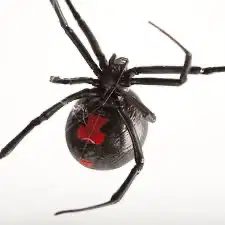
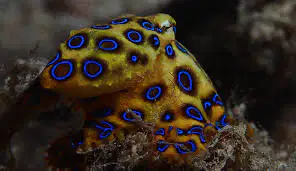
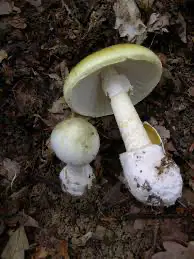

Which of the following share the same antidote?
acetaminophen
amanita muscaria
salicylate
amanita phalloides
Which of the following is associated with refractory seizures?
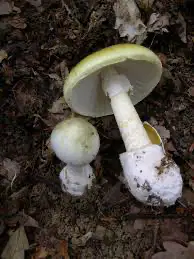



Which of the following share the same antidote?
true morel
INH
paracetamol
false morel
A 2 y/o F presents to the ED due to AMS, restlessness, drooling and opsoclonus. What is the likely diagnosis?
DKA
salicylate toxicity
envenomation
meningitis
What envenomation is characterized by a red/white/blue lesion and blister formation?
africanized honey bees
bark scorpion
black widow spider
brown recluse spider
What envenomation is characterized by local and systemic reactions, MSOF, and rhabdomyolysis
africanized honey bees
bark scorpion
black widow spider
brown recluse spider
What envenomation is characterized by a target shaped lesion, HTN, tachycardia and muscle cramping
Africanized honey bees
bark scorpion
black widow spider
brown recluse spider
What envenomation can be treated with an antivenin
Portuguese Man of war
box jellyfish
stingray
lionfish
A man presents after eating with personal paresthesias, dysphagia and diplopia. What was his likely exposure/toxin?
Scombroid fish poisoning
ciguatera fish poisoning
thimble jellyfish
pufferfish
What is the ultimate goal of treatment for HBO therapy for the treatment of CO toxicity
improved oxygenation
prevention of delayed toxicity
treatment of neuropathy
rapid removal of CO
A 9 month old presents due to AMS and SOB. An IV is started and Rob notices that the blood looks dark. What antidote is needed?
hydroxycobalamin
HBO
methylene blue
oxygen
Which of the following is characterized by skin changes, hepatic failure and pseudotumor cerebri
vitamin A
vitamin B6
vitamin C
Vitamin D
A 47 y/o M presented with the CC of facial paresthesias that began during dinner followed by v/d. He notes that he feels that "my teeth are going to fall out". What is the diagnosis?
scombroid poisoning
ciguatera poisoning
tetrodotoxin
neurotoxic shellfish poisoning
The spouse of the previous patient had sea food as well. They are now feeling flushed and having a peppery taste in their mouth? What is the likely diagnosis?
Scombroid poisoning
ciguatera toxicity
tetrodotoxin
neurotoxic shellfish poisoning
After eating mussels, a patient presents with dizziness, n/v/d. They feel that the warm blanket feels cold and are feeling SOB. Their exam is notable for bradycardia and miotic pupils. What is the diagnosis?
ciguatera poisoning
scombroid shellfish poisoning
neurotoxic shellfish poisoining
paralytic shellfish poisoning
The last patient's partner presented after eating mussels. They have paresthesias, n/v/d. They feel SOB and their exam shows diffuse weakness, worse in their lower extremities. What is the toxin/dx?
neurotoxic shellfish poisoning
paralytic shellfish poisoning
amnestic shellfish poisoning
tetrodotoxin
The waiter from the restaurant presents with increasingly erratic behavior, confusion. On exam they are externally stimulated, seeing fish and are grimacing and appear to be chewing. They have labile BP/HR with PVCs on the monitor. What is the dx?
paralytic shellfish poisoning
neurotoxic shellfish poisoning
amnestic shellfish poisoning
psychosis
A 2 y/o M presents to the ED due to constipation. An X-ray shows hyperechoic circular structures. Labs show anemia and an AKI. What is the likely exposure?
lead
mercury
arsenic
iron
A 54 y/o F with metastatic breast CA presents due to syncope while at her naturopaths office. She had multiple runs of ventricular tachycardia/TdP en route. She presented confused, hypotensive with a nonfocal neurologic examination. What is the likely exposure?
lead
arsenic
mercury
iron
2 8 y/o brothers present due to "parental concerns". Mom noted they have become more shy, withdrawn and seem to scare easily. They have had diarrhea, decreased appetite and swelling in their arms/legs. Both have a fine motor tremor and pink extremities on exam. What is the exposure?
prenatal vitamins
essential oil exposure
paint chips
thermometers
What stage of iron toxicity is characterized by shock, seizures and coagulopathy?
1
2
3
4
5
A 3y/o presented after an exploratory ingestion of her grandfather's warfarin. She is otherwise healthy, UTD on vaccinations and has a normal exam. What is the next step in management?
admit for 24 hour observation
obtain blood work in the ED and dc if normal
dc home with return precautions and outpatient labs
empiric reversal
A 3y/o presented after an exploratory ingestion of a degreasing agent found in the garage. Pt is otherwise healthy and UTD on vaccinations. What is potential complication of her exposure?
seizures
pulmonary edema
CO toxicity
none, send her home

