
 Worksheets
Catalytic Quiz - Evolution
Total questions: 10
Worksheet time: 5mins
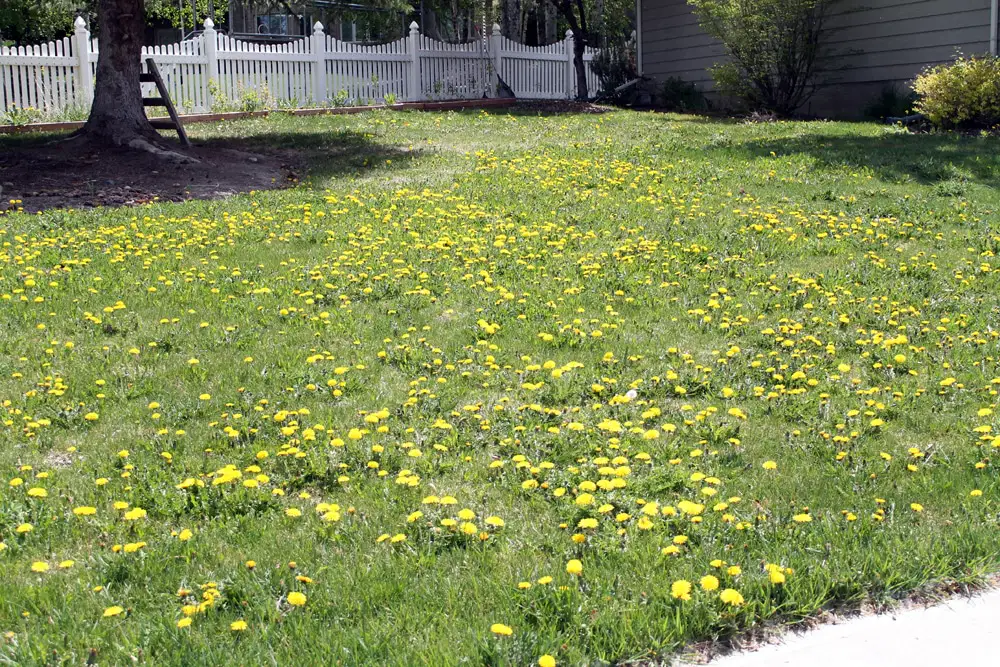
A homeowner has an outbreak of dandelions and applies a store-bought herbicide. They repeat this treatment for years, killing off most of the flowers, except for a handful with a mutation which allows them to resist the poison.
What is the most likely future for this homeowners lawn?
The dandelions will spread their seeds to other lawns, and will quit growing in the original yard
The dandelions will grow to be larger, so that the herbicide cannot reach them
The dandelions will die off and leave the yard empty from forbes
Only dandelions with genes resistant to the herbicide will survive, making it ineffective in future generations

Which of the following is supportive cellular evidence that all organisms on earth share a common ancestor?
All living organisms are held together by the attraction between electrons
All organisms contain cellular membranes which separate them from their environment
Organisms on earth all have skin comprised of structural carbohydrates
Organisms on earth all have vertebrae, or spines
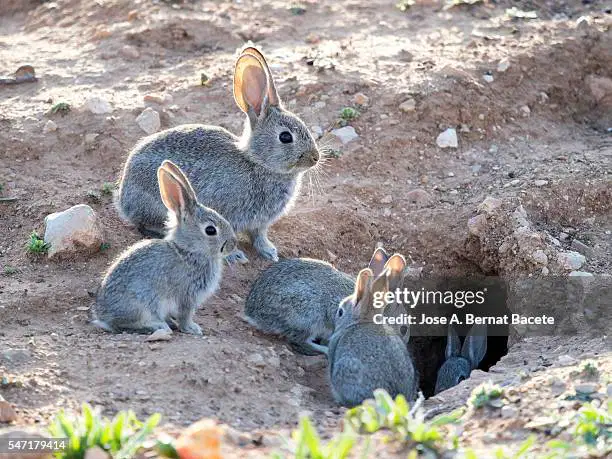
While elephants raise a single offspring at a time, over years, within the protection of the herd, western cottontail rabbits instead live short lives.
The rabbits raise multiple litters of numerous young, few of which survive. How are rabbits compensating in their life strategy?
Overpopulation - the rabbits produce as many young as possible, attempting to compensate for their mortalities in future generations
Genetic Inheritance - the rabbits pass their genes onto their young, while the elephants do not pass on their genes
Diversification - the rabbits mix their genes with mates through the process of meiosis, while the elephants instead create clones through mitosis
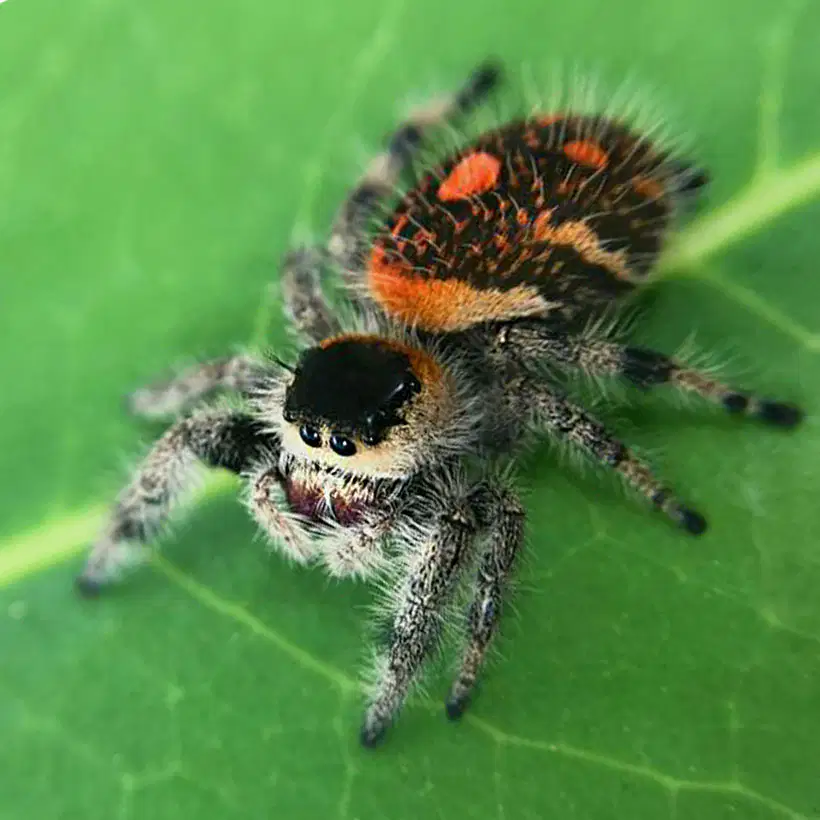
Jumping spider species can have populations with more or less bold colorations, correlated to the environments in which they live, such as populations in desert environments having duller colors to match dry landscapes.
If a severe drought killed much of the vegetation in a typically brightly colored forest edge, how would you predict that more brightly colored spiders might be affected over generations?
More brightly colored spiders will become less common in the population as they are reduced by predators
More brightly colored spiders will become more common as they become more attractive to mates
More dull colored spiders will become less common as the more brightly colored spiders outcompete them for food
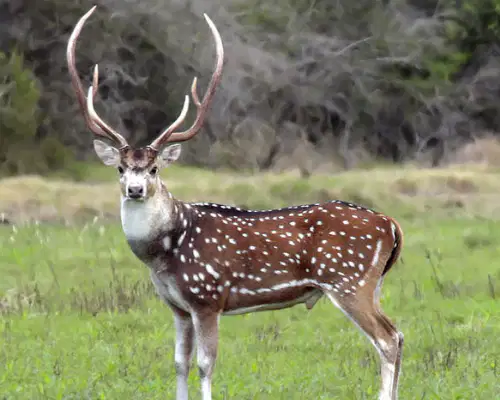
A population of axis deer in India have individuals whose body size (mass) ranges significantly. After a four-year drought, food sources became scarce and smaller individuals become more common in the next generation.
What is the most likely explanation for this natural selection?
Smaller individuals, who required less food, passed on their genes, which were more common in the next generation
Larger individuals, who could walk farther, left their territories in search for more food
Smaller individuals, who had more genes, passed on more genetics to the next generation
The smaller deer evolved to become better than the larger ones

Crocodilians are among one of the oldest lineages of vertebrate organisms on earth. Why has this family of reptilians remained for such a long relative period of time?
Crocodilians have not chosen to change, as they like the way that they live
Transmutation spells are not available to crocodilians, which are typically sorcerers or bards
Crocodilians' life strategies are well suited to a variety of environments, which have not been changed by natural selection
Crocodilians do not diversify their genetics as much as other species, therefore their traits have also not changed
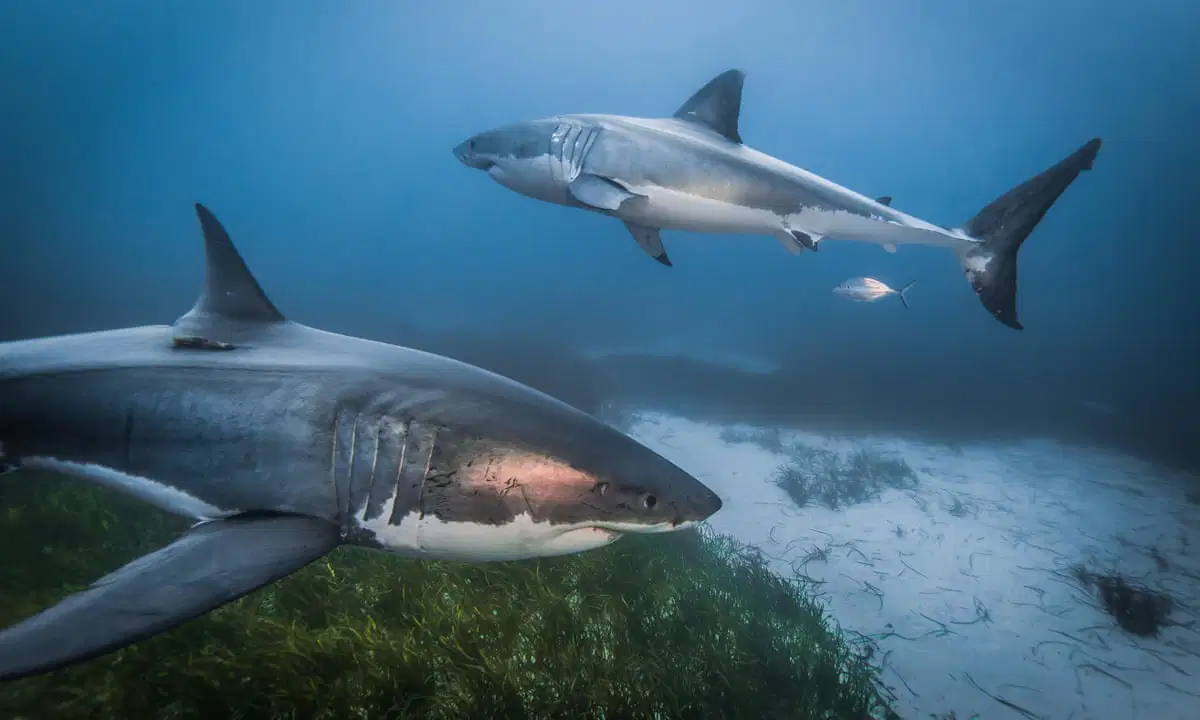
Great white sharks can exist in both warm and cold waters, due largely to the massive muscles which run along the spines of their large bodies, the continuous movement of which warms their powerful bodies.
How could natural selection have led to this adaptation in great white sharks?
Larger bodied sharks allowed great white shark populations to never run out of food sources
Coloration allowed great white sharks to camouflage themselves from predators
Larger sharks, with larger muscular systems became better at warming themselves with larger mass
Sharks changed their DNA to be better suited to their environment as they recognized their own weaknesses
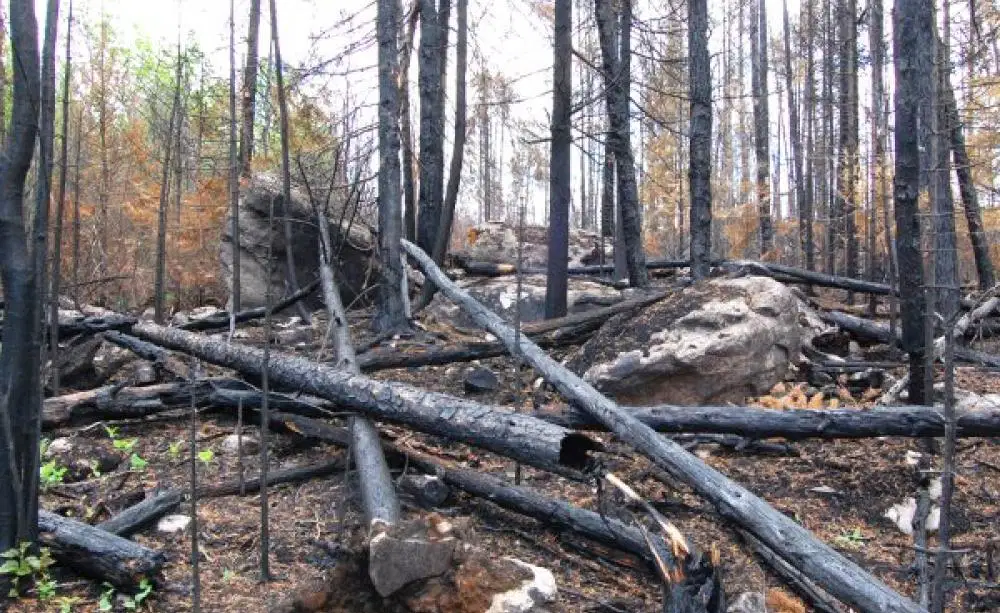
Some species of trees have seeds which only begin to grow once the soils above them become exposed to immense heat, such as that produced by wildfires.
One benefit this adaptation might have would be...
Eliminating the chance of saplings being eaten by herbivores when sprouting
Increasing the chance of sprouting when there is less competition from other plants
Decreasing the chance of enduring periods of long drought
Increasing the likelihood of being resistant to parasitic fungi and wood boring beetles

Numerous coral living on an isolated reef begin slowly improving their physiological tolerance to increasingly warm waters, over the course of generations.
Even though there are no new individuals entering this population, which TWO factors might allow the corals to continue to adapt to their environment?
Sexual reproduction continues to mix genes into new combinations, which the coral inherit
The coral select characteristics that better fit their environment, choosing to leave inferior traits behind
When a single coral changes adapts to its new environment, that coral passes all of its genes on to the next generation
Mutations in the population create the possibility for new genes and therefore new traits
Which of the following populations are the most likely to see the evolution of new species?
A family of whales searching numerous oceans all their lives for increasingly less common food
A population of birds which become separated from each other on either side of a steep mountain for thousands of years
A colony of ants which are exposed to increasingly high levels of heat as humans build more concrete around them
A rhino which is one of the last members of its species, being hunted by poachers

