
 Worksheets
Digestive System Test Review_MT
Total questions: 85
Worksheet time: 3600secs
The digestive system is also known as the:
Endocrine system
Respiratory tract
Gastrointestinal (GI) tract
Urinary system
Which process describes the intake of food?
Absorption
Ingestion
Elimination
Digestion
Which organ connects the pharynx to the stomach?
Esophagus
Colon
Trachea
Duodenum
What enzyme begins digestion of starches in the mouth?
Amylase
Lipase
Protease
Insulin
Which substance is formed when gastric fluids mix with partially digested food?
Bile
Enzyme
Chyme
Bolus
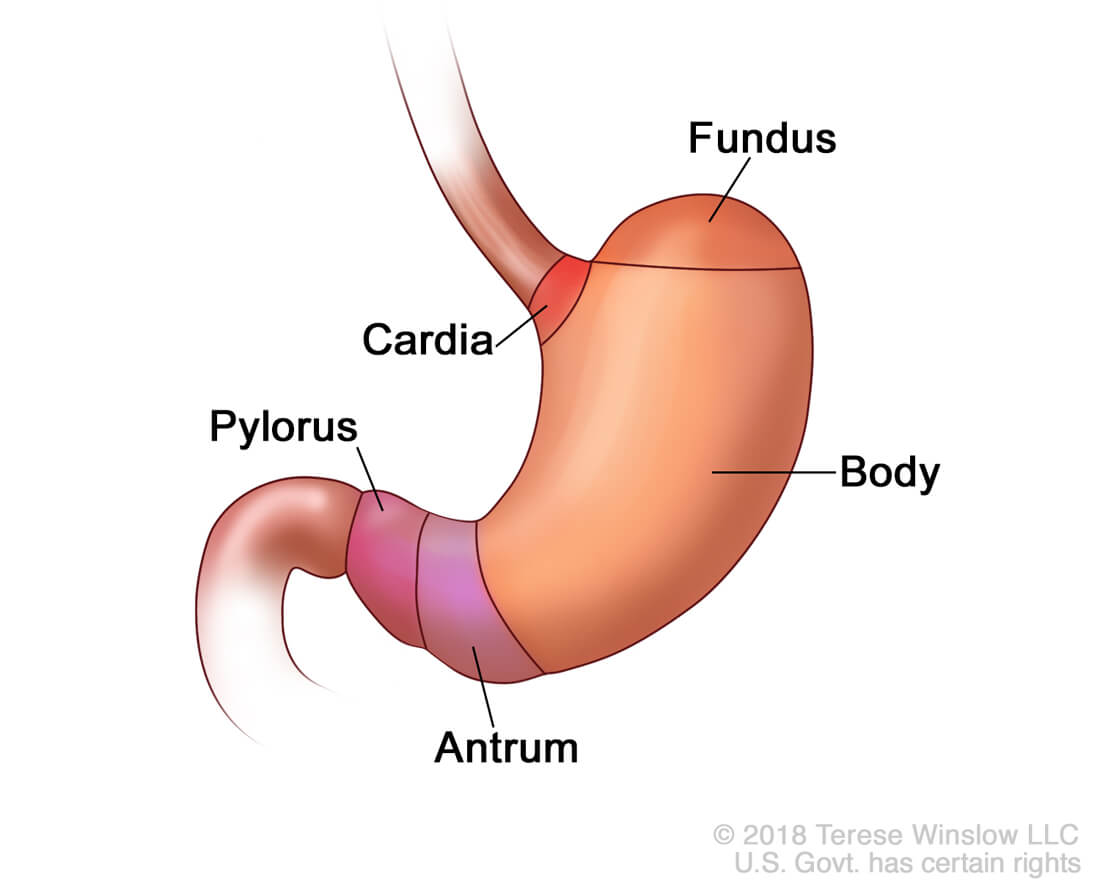
Which part of the stomach is the lower section?
Body
Antrum
Rugae
Fundus
Which section of the small intestine absorbs vitamin B12?
Duodenum
Jejunum
Ileum
Cecum
The colon is also called the:
Anus
Small intestine
Rectum
Large intestine
Which part of the colon stores solid waste?
Cecum
Sigmoid colon
Rectum
Anus
Which suffix means inflammation?
-megaly
-itis
-osis
-scopy
Which accessory organ produces bile?
Pancreas
Gallbladder
Liver
Salivary glands
Cholelithiasis means:
Inflammation of the gallbladder
Removal of the gallbladder
Enlargement of the gallbladder
Gallstones
Which condition refers to scarring of the liver?
Pancreatitis
Hepatitis
GERD
Cirrhosis
Which disease involves inflammation of the small intestine?
Gastritis
Colitis
Enteritis
Hepatitis
GERD primarily affects the:
Stomach only
Esophagus
Colon
Pancreas
What sign or symptom means bright red blood in stool?
Dyspepsia
Melena
Hematochezia
Hematemesis
Which suffix means visual examination?
-plasty
-scopy
-ectomy
-stomy
Which procedure visually examines the colon?
Laparoscopy
Gastroscopy
Colonoscopy
Endoscopy
Which diagnostic test checks liver function?
CBC
Occult blood test
Amylase
Liver profile
Which test uses contrast to view the lower GI tract?
Barium enema (LGI)
Endoscopy
UGI series
Match the term to the correct description.
B. Inflammation of the pancreas
A. Visual exam of the colon
D. Inflammation of the appendix
C. Inflammation of the stomach
E. Inflammation of the liver
Which process breaks food into smaller molecules, and which process moves those molecules into the bloodstream?
Ingestion breaks; defecation moves
Peristalsis breaks; secretion moves
Absorption breaks; digestion moves
Digestion breaks; absorption moves
Which organ is primarily responsible for nutrient absorption into the blood?
Stomach
Small intestine
Gallbladder
Large intestine
Which structure transports food from the pharynx to the stomach by peristalsis?
Ascending colon
Duodenum
Esophagus
Trachea
Which accessory organ produces bile that aids in fat digestion?
Liver
Appendix
Pancreas
Spleen
Bile is stored and concentrated in which small sac beneath the liver?
Gallbladder
Cecum
Pancreatic duct
Ileocecal valve
Which part of the small intestine receives chyme from the stomach and mixes it with bile and pancreatic juice?
Duodenum
Ileum
Cecum
Jejunum
Which organ secretes enzymes that digest carbohydrates, proteins, and fats into the small intestine?
Pancreas
Gallbladder
Spleen
Kidney
Most water reabsorption and formation of feces occurs in which organ?
Pancreas
Small intestine
Large intestine
Stomach
Which sphincter controls the passage of food from the esophagus into the stomach?
Pyloric sphincter
Ileocecal valve
Lower esophageal sphincter
Anal sphincter
Which region of the stomach connects to the duodenum and is regulated by the pyloric sphincter?
Pylorus
Body
Cardia
Fundus
Which order correctly traces the path of food from mouth to anus?
Mouth, esophagus, stomach, small intestine, large intestine
Mouth, trachea, stomach, small intestine, colon
Mouth, esophagus, colon, stomach, rectum
Mouth, larynx, esophagus, duodenum, rectum
Which section of the large intestine is located in the lower right abdomen and connects to the ileum?
Transverse colon
Cecum
Sigmoid colon
Descending colon
Which small pouch attached to the cecum can become inflamed in appendicitis?
Appendix
Rectum
Gallbladder
Pancreas
Which nutrient is primarily digested by bile action before enzyme breakdown can proceed effectively?
Fats
Proteins
Carbohydrates
Minerals
Which blood vessel system carries absorbed nutrients from the small intestine to the liver for processing?
Lymphatic trunk
Pulmonary circuit
Hepatic portal system
Coronary circulation
Which part of the small intestine is most associated with nutrient absorption due to its many villi?
Cecum
Ileum
Duodenum
Jejunum
Which process primarily occurs in the large intestine rather than the small intestine?
Glucose absorption
Water absorption
Bile secretion
Protein digestion
The digestive system is also known as the:
Respiratory passageway
Circulatory channel
Endocrine network
Gastrointestinal (GI) tract
Which process describes the intake of food?
Absorption
Ingestion
Excretion
Digestion
Which process moves nutrients into the bloodstream?
Absorption
Excretion
Peristalsis
Ingestion
Which organ connects the pharynx to the stomach?
Trachea
Duodenum
Larynx
Esophagus
What enzyme begins digestion of starches in the mouth?
Amylase
Trypsin
Pepsin
Lipase
Which structure controls the flow of food from the esophagus into the stomach?
Anal sphincter
Pyloric valve
Cardiac sphincter
Ileocecal flap
Which substance is formed when gastric fluids mix with partially digested food?
Bile
Chyme
Lymph
Plasma
What structure controls the flow of chyme into the small intestine?
Jejunal valve
Cardiac sphincter
Pyloric sphincter
Ileocecal valve
The colon is also called the:
Small intestine
Vermiform appendix
Large intestine
Sigmoid colon
Which suffix means inflammation?
-itis
-osis
-algia
-emia
What does the combining form enter/o mean?
Liver
Stomach
Intestines
Esophagus
GERD primarily affects the:
Esophagus
Stomach
Duodenum
Colon
Which suffix means visual examination?
-scopy
-itis
-algia
-ectomy
Which procedure visually examines the colon?
Colonoscopy
Endoscopy
Sigmoidectomy
Laparoscopy
Which test uses contrast to view the lower GI tract?
Barium enema (LGI)
Upper GI series
Abdominal ultrasound
CT colonography

Where are most nutrients absorbed during digestion?
Small Intestine
Stomach
Large Intestine
Esophagus

Most nutrient absorption occurs in the ________________ .
mouth
stomach
large intestines
small intestines
What is the role of the stomach in digestion?
It absorbs nutrients and water
It produces bile
It churns food and mixes it with digestive juices
It is the primary site for the absorption of vitamins
What is the role of the large intestine in the digestive system?
To absorb water and salts from the material that has not been digested as food
To produce digestive enzymes
To absorb nutrients
To store bile
What is the primary function of the digestive system?
To circulate blood throughout the body
To control body temperature
To convert food into simpler molecules that can be absorbed and used by the body
To remove waste products from the body
Which of the following is true about the process of digestion?
It only occurs in the stomach and small intestine
It involves both mechanical and chemical processes
It is solely a chemical process
It does not involve enzymes
What is the significance of the stomach's acidic environment?
It neutralizes bacteria in the food
It aids in the digestion of fats
It facilitates the absorption of carbohydrates
It enhances the action of digestive enzymes
The large intestine is primarily involved in the:
Digestion of proteins
Absorption of water and electrolytes
Production of digestive enzymes
Absorption of most nutrients
Mason, Benjamin, and Olivia had a big meal at a restaurant. How does their digestive system help them in the absorption of nutrients from the food they ate?
By transporting nutrients to their stomach
By excreting waste products from their body
By breaking down the food they ate into smaller molecules that can be absorbed into their bloodstream.
By converting the food they ate into energy for their body
Which organ is responsible for producing digestive enzymes that help break down carbohydrates, proteins, and fats?
Pancreas
Large intestine
Liver
Gallbladder
Which structure prevents food from entering the windpipe during swallowing?
Ileocecal valve
Epiglottis
Esophagus
Pyloric sphincter
Which organ produces bile to aid in the digestion of fats?
Liver
Pancreas
Stomach
Gallbladder
Which enzyme is responsible for breaking down proteins in the stomach?
Lipase
Lactase
Pepsin
Amylase
Which organ is responsible for storing bile produced by the liver?
Spleen
Gallbladder
Pancreas
Stomach


What part of the digestive system is highlighted?
Stomach
Pancreas
Liver
Gall bladder

What organ is this?
heart
stomach
lungs
brain

What is this body part?
Small Intestine
Large Intestine
Lungs
Bladder

What is this organ?
Gastroesophageal reflux disease (GERD) occurs when acid frequently back flows from the digestive organ that produces it into the esophagus causing a feeling of pain or “heartburn”. The symptoms of GERD are due to a disruption of homeostasis in which of the following digestive organs?
What is the correct order of processes by which nutrients, energy, and waste from food are handled by organisms?
This muscular valve prevents gastric juices from flowing back out of the stomach and into the esophagus
cecum
uvula
cardiac sphincter
pyloric sphincter
Parotid, submandibular, and sublingual all refer to:
secretions of the liver
types of absorbed nutrients
sections of the small intestine
salivary glands
The common bile duct delivers bile from the ____ to the _____
liver, gall bladder
gall bladder, duodenum
pancreas, liver
stomach, duodenum
Following the sections of the large intestine, as material passes from the tranverse colon, what section does it enter next?
ascending
descending
sigmoid
rectum
The last section of small intestine before it connects to the large intestine is the:
jejunum
duodenum
appendix
ileum

Structure 12 is the
pancreas
salivary glands
mouth
esophagus
Structure 4 is the
pancreas
liver
stomach
gall bladder

