
 Worksheets
Introduction to Art Technique-Module 9
Total questions: 43
Worksheet time: 22mins
Hey art enthusiasts! 🎨 Imagine George is preparing for an art exhibition. Which statement do you think best defines an art technique that he should consider while creating his pieces?
A list of tools required for studio practice
The way materials are manipulated to express ideas
A fixed recipe for making identical artworks
The historical period a style belongs to
Imagine Jasmine, an artist with a fiery passion, chooses rough brushstrokes to convey her intense feelings of anger. What concept does this bold decision illustrate?
Selection of expensive pigments only
Material manipulation to express feelings
Accidental marks without intention
Strict adherence to classical rules
Hey there, art enthusiasts! 🎨 Which options describe the core elements of technique in visual art? Let's see what you and your friends Chester, Juliene, and Camille think! Select all that apply.
Expressing ideas or emotions through handling
Identifying the artwork's market value
Using materials without altering them
Manipulating materials to shape meaning
Hey there, art enthusiasts! 🌟 Imagine Ava and her friend Jesel, talented artists from Bulacan, showcasing their skills in a local art fair. Which statement best describes the fascinating craft of Puni that they demonstrate?
A global style of plastic straw weaving
A Malayan technique of wax tube making
A Japanese method of paper sculpture
A Bulakenyo practice of leaf frond folding
Hey Cristine, Aria, and Zoe! Let's dive into the fascinating world of paper folding! Imagine you are at a cultural festival where various art forms are showcased. Among the exhibits, one booth is dedicated to the intricate art of origami. Which culture is most famously associated with this beautiful art?
Japanese cultural traditions
Bulakenyo festive customs
Chinese ceremonial crafts
Malayan decorative rites
Hey there, art enthusiasts! Have you ever wondered about the fascinating world of straw folding in contemporary arts? Well, let's dive in! Which material process do you think is typically involved in this creative technique? Is it something that Jessica, Joy, or Jade would enjoy trying out?
Casting resin into rigid geometric molds
Pressing clay slabs into flat tiles
Rolling wax-coated paper into hollow tubes
Weaving palm fronds into tight braids
Hey there, curious minds! Can you help Ryan uncover the origin connection for Puni mentioned in the material? Let's dive into the world of art and culture!
Derived from Japanese papermaking
Established by Italian artisans
Influenced by modern plastics
Rooted in Malayan traditions
Hey Mae, Cristine, and Noah! Let's dive into the colorful world of traditional art! Can you match the art forms with their fun descriptions?
Origami — folding paper into forms
Puni — carving hardwood figures
Straw folding — rolling wax paper tubes
Puni — decorating by folding leaf fronds
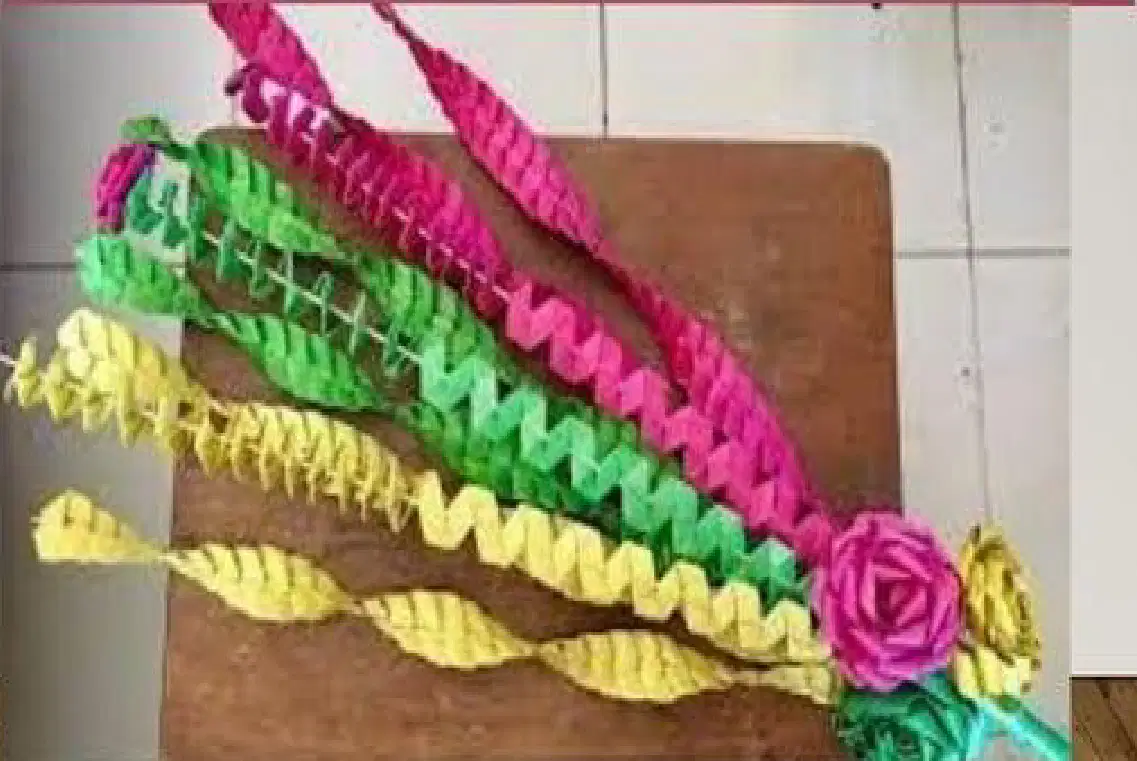
Hey Mae, Jessabel, and Noah! Check out these vibrant, folded creations that look like a bouquet! Can you guess what technique was used to craft this stunning decoration?
Stone carving with chisels
Digital 3D printing workflow
Puni leaf-frond folding style
Metal sheet repoussé technique
Hey there, Louie, Joy, and Abigail! Can you guess which statement best describes the vibrant Singkaban in Malolos, Bulacan?
A ceremonial bamboo arch welcoming communities
A woven bamboo mat used for flooring
A bamboo flute performed during parades
A bamboo basket for market produce
Hey there, creative minds! 🌟 Which processes do you think Princess, Hannah, and Ethan would need to prepare bamboo for their next decorative art project?
Stripping or weaving
Cleaning and cutting
Firing in a kiln
Peeling and splitting
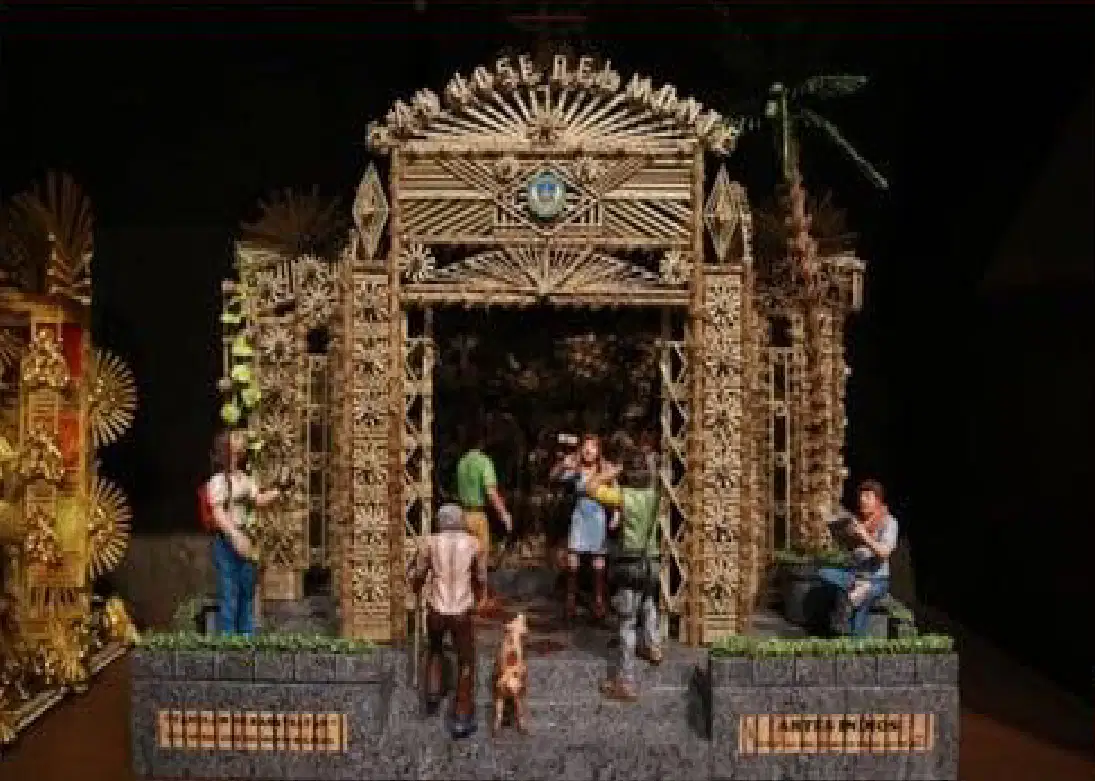
Hey Jessica and Ryee! Check out the stunning Singkaban arch in the picture. Can you spot the feature that shouts "decorative" rather than just "supportive"? Let’s see who can get it right!
Minimalist smooth surfaces
Thick load‑bearing concrete pillars
Intricate patterned lattice elements
Exposed steel reinforcement bars
Hey there, art enthusiasts! 🌟 Which choice connects the vibrant world of traditional Singkaban to the exciting realm of contemporary bamboo art practices? Let's see if Louie or Joyce can guess it right!
Both use processed bamboo for ornamentation
Both avoid any weaving or stripping
Both rely on stone carving techniques
Both prioritize musical performance contexts
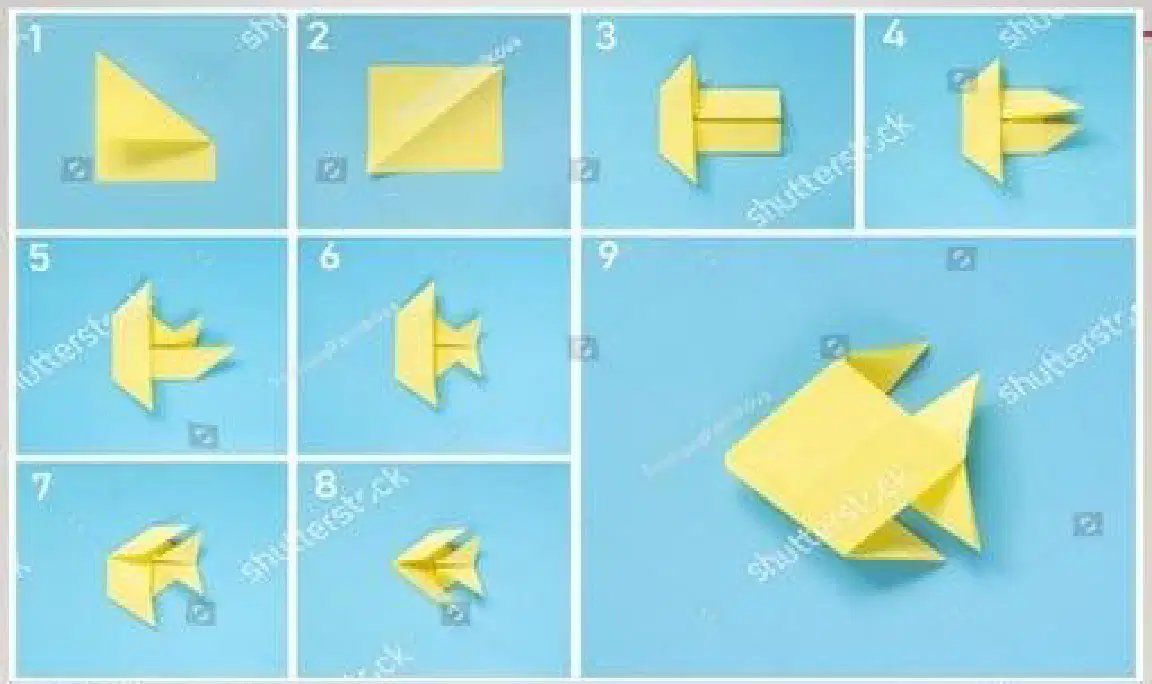
Hey there, creative minds! Imagine you're on an exciting journey with Jessica, Abigail, and Benjamin, transforming a flat sheet of paper into a beautiful fish through origami. What fascinating parallel can we draw to the intricate processes of bamboo art?
Final form requires no prior alteration
Tools replace the need for any steps
Shapes emerge randomly without planning
Stepwise transformations yield complex forms
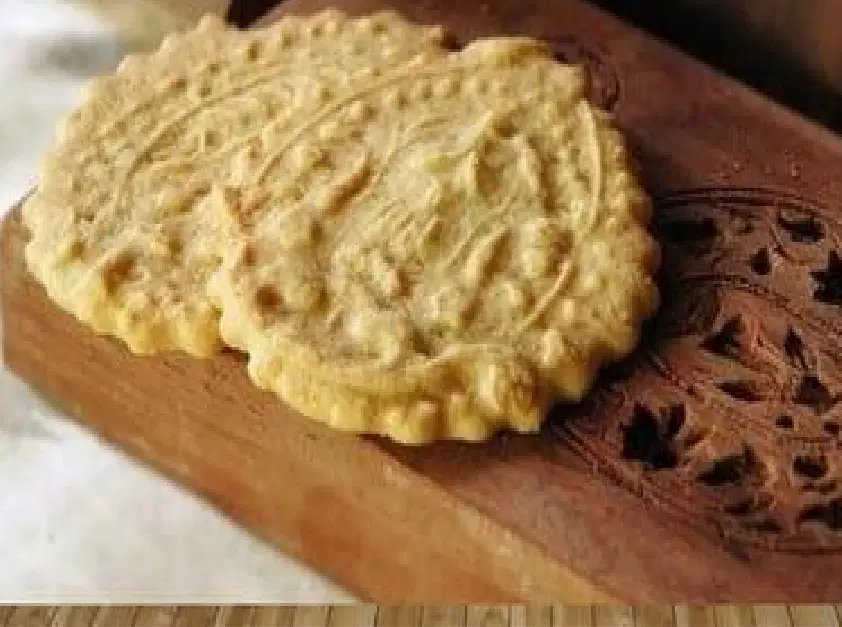
Hey there, cookie enthusiasts! Which statement best describes the delightful Saniculas cookies that Ames and Zoe are admiring, shown alongside a beautifully carved wooden mold?
Rice cakes cut using bamboo art tools
Polvoron formed with oval biscuit molders
Biscuits shaped by a metal doughnut press
Cookies bearing Saint Nicolas de Tolentino imprint
Hey, culinary explorers! Can you uncover the cultural origin linked with the delightful Saniculas cookies? Let’s see if River, Ryan, or Christine can guess right!
Cebu guitar craftsmanship
Mountain Province woodcarving
Ilocos textile weaving heritage
Pampanga local legend tradition

Hey there, culinary wizards! Which kitchen tool should Crislyn or Lhester grab to shape powdered polvoron into those delightful, consistent forms?
Polvoron molder for oval or round shapes
Whisk for aerating egg mixtures
Rolling pin for thin pastry layers
Spatula for folding batter gently

Hey there, culinary adventurers! Jessa is exploring the world of traditional Saniculas cookies, which are made with the imprint of San Nicolas de Tolentino, a local legend in Pampanga. Meanwhile, Nova is excited about the snazzy contemporary food art tools that can mold ingredients into perfect shapes. What main difference is highlighted between Jessa's traditional Saniculas and Nova's modern food art tools? Let’s see if you can spot the twist!
Hand-painted icing versus machine-applied sprinkles
Imprinted religious icon versus standardized molded shapes
Fermented dough versus gluten-free flour mixture
Baked in clay ovens versus steamed in bamboo baskets
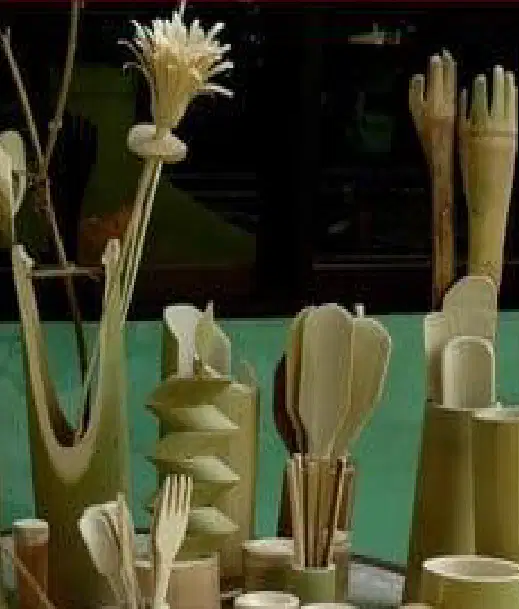
Hey there, creative minds! 🌟 Considering the bamboo art display, which application aligns with using molders in food-related design? Let's see if Chester or Glyza can guess right!
Assembling furniture pieces for dining
Crafting utensils that assist shaping confections
Producing musical instruments from bamboo
Creating carved molds for cookie imprints
Hey there, students! 🌟 Which statement do you think best captures the fascinating transformation of pabalat in San Miguel, Bulacan? Let's see if Chester or Joylyn can guess it right!
It became an industrial food technology
It disappeared due to modern packaging
It shifted from folk tradition to popular art
It remained a local folk craft only
Hey there, design enthusiasts! How would you describe the exciting world of packaging design in today's vibrant market?
Simple and straightforward
Colorful and complex
Always minimal and monochrome
Decorated with intricate motifs
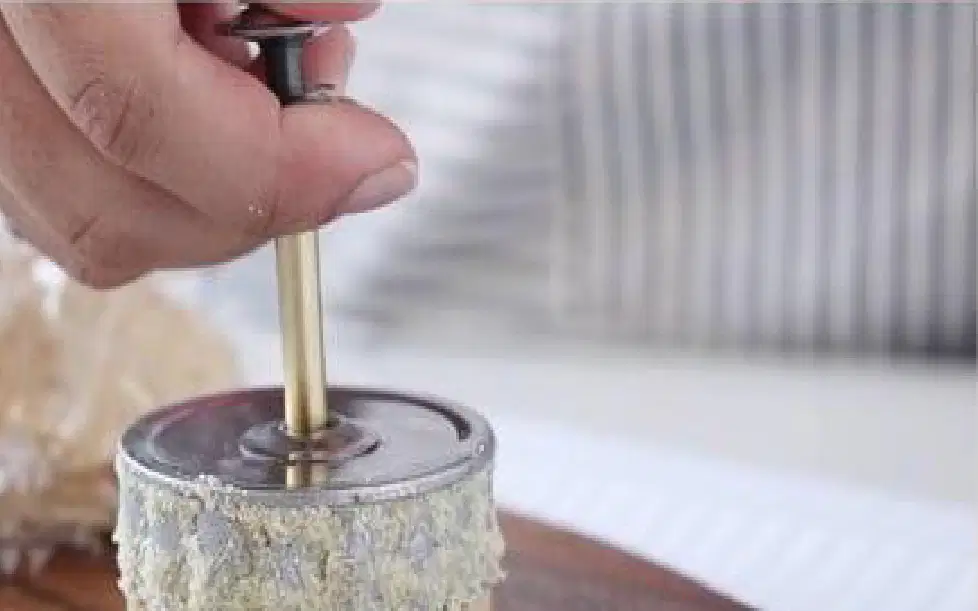
Hey there, culinary adventurers! Jessica, David, and Scarlett are on a mission to discover the secrets of Filipino sweets. Can you help them figure out which item in the images is the key to shaping a delicious Filipino confection?
Decorative ribbon roll
Pastillas serving bowl
Paper-cutting knife
Polvoron molder tool
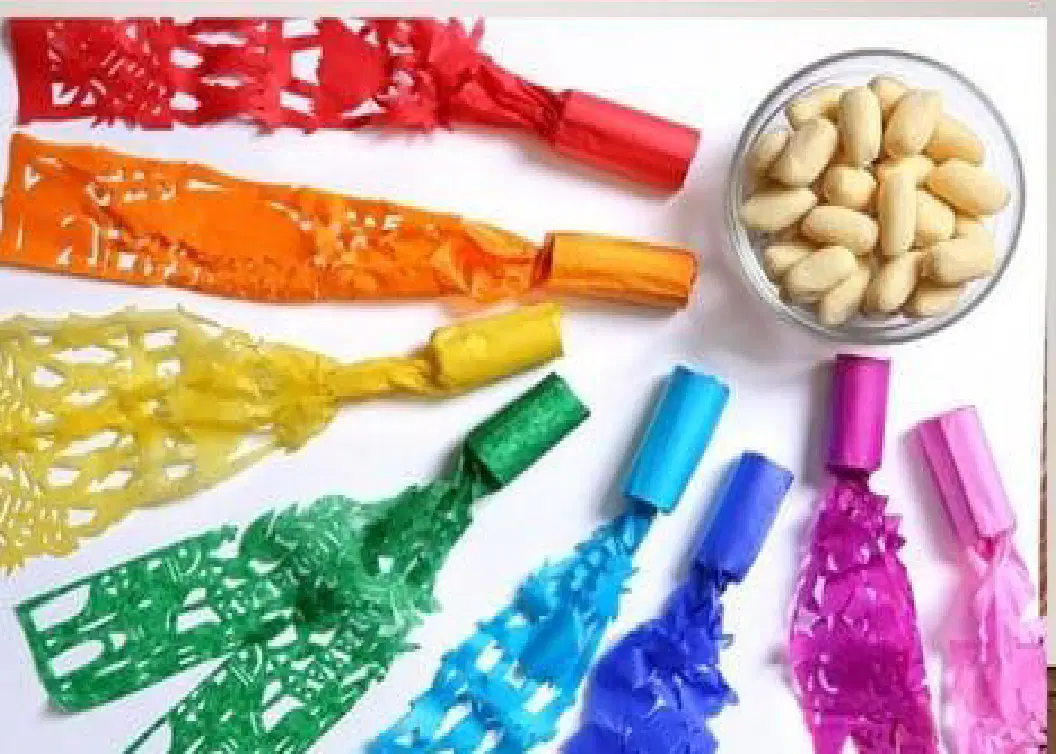
Hey Jessica and Louie! Have you ever wondered what those vibrant, cut-paper wrappers next to the delicious pastillas represent? Let's dive into this colorful world!
Modern printing labels
Traditional pabalat wrappers
Disposable shopping bags
Protective foil liners
Hey there, design enthusiasts! If you were to create a product that beautifully honors the pabalat tradition while also catching the eye of modern shoppers, what design choice would you pick? Imagine you’re in a creative brainstorming session with your friends Jericho, James, and Zoe!
Metal tins without decoration
Intricate cut-paper motifs on wrappers
Plain white plastic sleeves
Unlabeled bulk transparent bags
Hey art enthusiasts! 🌟 Which statement best distinguishes Taka from general paper mache practices? Let's see if you can spot the difference like Chary, Reyjen, and Grace would!
Taka uses plastic molds and resin binders
Paper mache relies solely on machine-pressed pulp
Paper mache avoids molds and uses freehand shaping
Taka uses carved wooden molds from Paete
Hey there, creative minds! In the exciting world of modern paper mache, what do you think is the primary role of adhesives? Let's find out together, just like Ritzy, Andria, and Jackson would in art class!
Bind paper pieces or pulp onto molds
Smooth surfaces after painting and sanding
Prevent wood molds from absorbing moisture
Provide structural support through internal armatures
Hey there, art enthusiasts! Can you help Chester, Ethan, and Mason identify the most likely material used as a mold for the traditional Taka figures shown? Take a look at the image and make your best guess!
Carved wooden sculpture mold
Cast aluminum figure mold
Plaster negative mold form
Flexible silicone rubber mold
Hey there, creative minds! 🎨 Which combination correctly lists the components that Jennifer, Michael, and Abigail would typically use in their exciting paper mache construction projects?
Carved wooden molds
Glue or other adhesives
Kiln-fired clay slip
Paper strips or pulp
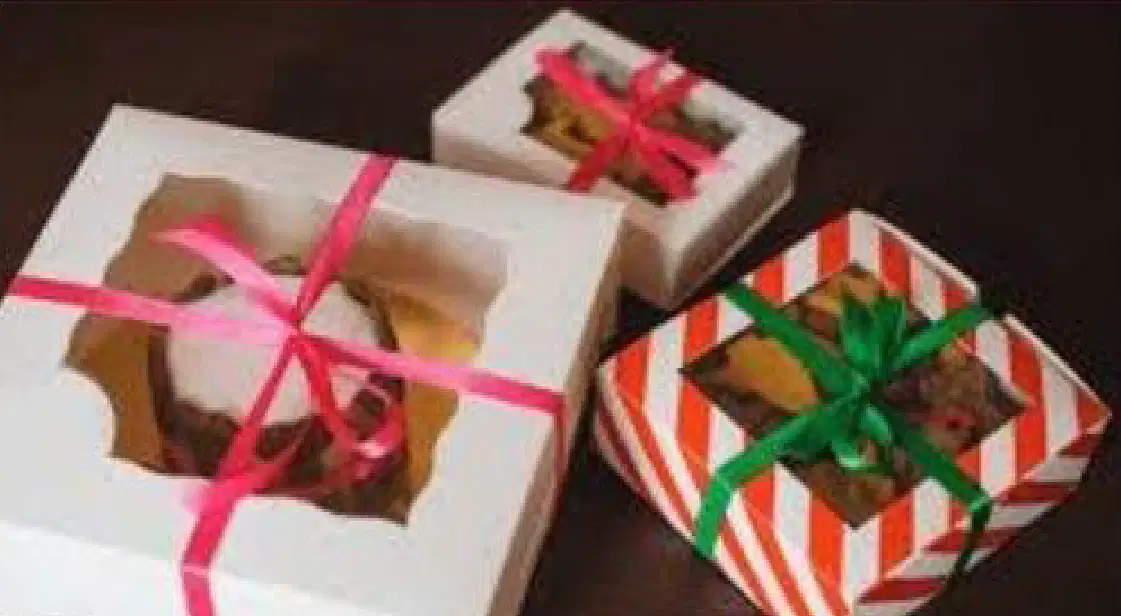
Hey there, crafty friends! Keisha is on a mission to package her delightful handmade Taka figures. Which packaging choice will not only protect these treasures but also make them shine like the stars they are?
Unwrapped items placed in baskets
Windowed boxes tied with ribbons
Loose items stacked in paper bags
Shrink-wrapped bundles without boxes
Hey there, art enthusiasts! 🌟 Which feature best describes the stunning traditional Taal embroidery from Batangas and Lumban, Laguna that Carmie, Oliver, and Mia have been admiring during their visit to a local artisan's workshop?
Thick quilting textures with heavy padded surfaces
Bold geometric lines with metallic threads
Fine designs with delicate embossed colorful patterns
Minimalist monochrome motifs with flat stitching
Hey there, sewing enthusiasts! Imagine Louie, Aiden, and Ethan gathered around a table filled with colorful fabrics and threads. In the world of stitching, what do you think stitches are considered to be across the realms of sewing, knitting, and embroidery?
Tools that replace fabric preparation steps
Advanced techniques reserved for experts only
Basic elements used whether by hand or machine
Optional decorative add-ons for garments
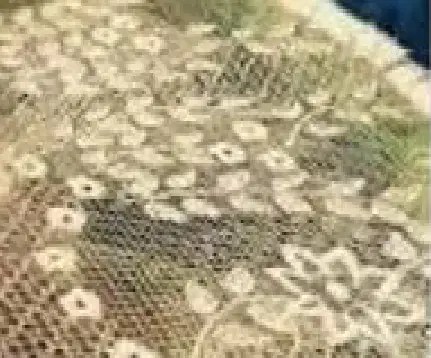
Hey there, creative minds! 🌟 Can you help Dan, Abigail, and Olivia uncover the primary difference between hand embroidery and machine embroidery when it comes to crafting those stunning Lumban lace-like patterns?
Machine cannot replicate any floral motifs at all
Hand allows nuanced control and subtle detailing
Machine ensures irregular tension and loose threads
Hand produces faster outputs for mass production
Hey there, creative minds! 🌟 Let's dive into the vibrant world of Pagbuburda traditions from Taal and Lumban. Can you help Jesel and Chester identify all the amazing characteristics typically associated with these artistic traditions? Select all that apply!
Predominantly non-textile paper mache structures
Highly colorful patterns within fine motifs
Delicate embossed details in the design
Durable construction in the finished fabric
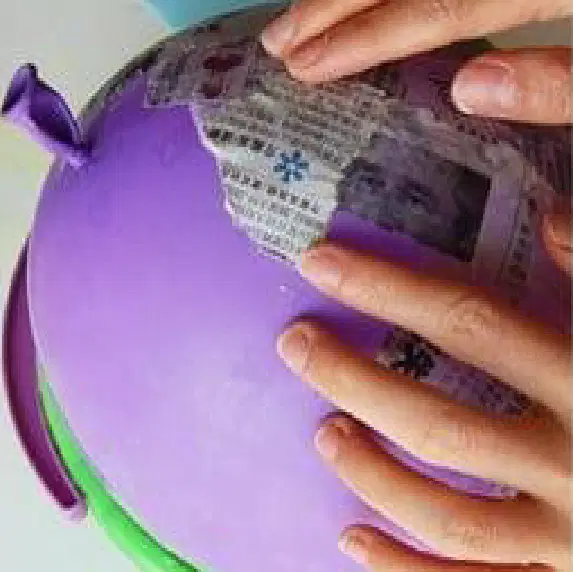
Hey there, crafty friends! If Louie, Liam, and Anika were gathered around a table with a bowl of gooey paste, some torn newspaper, and a colorful balloon, what fun craft process do you think they are diving into?
Hand embroidery of lace on a hoop frame
Knitting yarn swatches for textile samples
Paper mache layering over a balloon mold
Machine stitching on woven abaca cloth
Hey there, culinary explorers! If you were to create a unique twist on the traditional Saniculas cookies, which ingredient would you consider adding to give it a modern flair? Let’s see what creative ideas you can come up with!
Fruit puree for a fruity twist
Chocolate chips for a sweet surprise
Spicy chili flakes for a kick
Matcha powder for a green tea flavor
Hey there, art lovers! Imagine you are at a craft fair where various forms of bamboo art are displayed. Which technique do you think would be most captivating to watch in action?
Weaving bamboo strips into baskets
Burning patterns onto bamboo surfaces
Carving intricate designs into bamboo
Painting bamboo with vibrant colors
Hey there, creative souls! If you were to design a new type of origami that represents a local cultural symbol, which shape would you choose to fold and why?
A traditional boat to symbolize trade
A flower to represent beauty
A bird to signify freedom
A house to depict community
A student painted an artwork using watercolor. After 2 days, the colors became lighter because it was exposed to sunlight.
Which hugot statement best explains this situation?
A. Love fades when exposed to too much attention
B. Feelings fade when not protected and taken care of
C. Art fades because it is old
D. Colors fade because they are weak
Maria started a portrait drawing. She completed the outline and shading but stopped before adding the final details. What is the best hugot interpretation?
A. She is lazy
B. The artwork is ugly
C. The relationship started strong but ended without closure
D. The pencil ran out
A student erased a mistake many times. The paper became thin and torn. What does this situation symbolize?
A. The eraser is strong
B. Too many corrections can damage something
C. The paper is cheap
D. The drawing is bad
A student mixed too many colors together and ended up with a dull brown color. What is the best interpretation?
A. Mixing is bad
B. Brown is ugly
C. Too many emotions mixed together can cause confusion
D. The paint is expired
A photographer cropped an image and removed an important person from the frame. What does this symbolize?
A. The photo is smaller
B. Editing is powerful
C. Someone important was slowly removed from your life
D. The background is gone
A student continued drawing using a very short pencil. What does this represent?
A. The pencil is old
B. The student is poor
C. Continuing to give effort even when you are already tired
D. The sharpener is lost

