
NEW
Font size
 Worksheets
SCIENCE 5 Reviewer
Total questions: 59
Worksheet time: 30mins
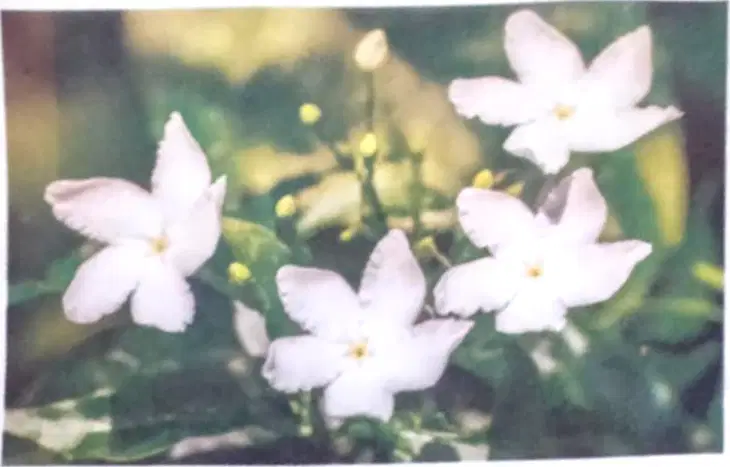
Which group do plants with flowers belong to?
Algae without stems
Angiosperms with flowers
Bryophytes with spores
Gymnosperms without fruits
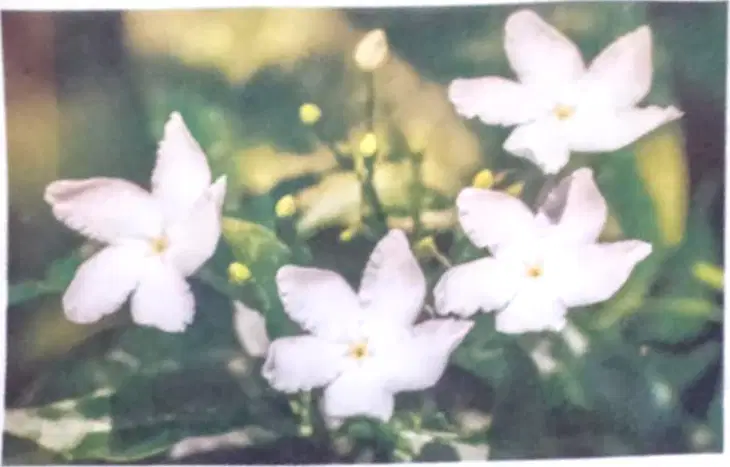
What do flowering plants produce that is protected inside fruits?
Leaves for sunlight
Spores for air travel
Roots for anchoring
Seeds inside fruits
What is the main job of a plant’s vascular system?
Keep animals away
Make seeds in cones
Give plants bright colors
Transport water and nutrients
Which statement best explains why plants are important to people and the environment?
They stop all rainfall
They provide food and shelter
They make rocks grow faster
They only make decorations
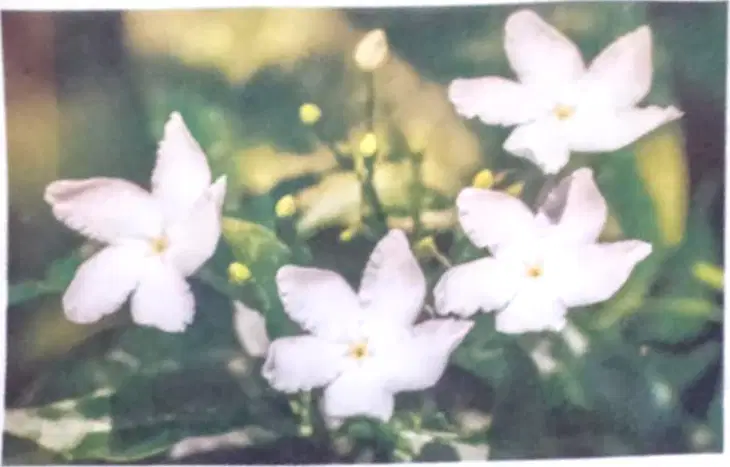
Plants can be grouped into two main types. Which choice shows these two groups?
Tall and short plants
Flowering and nonflowering
Wet and dry plants
Green and brown plants
Which plant tissue carries water and dissolved minerals from roots to other parts of the plant?
Xylem moves sugars to plant parts
Phloem moves water and dissolved minerals
Phloem moves sugars to plant parts
Xylem moves water and dissolved minerals
What is the main job of phloem in a plant?
Carry water from roots to the leaves
Carry sugars from leaves to plant parts
Store seeds inside fleshy fruits
Make cones for seed protection
Cone-bearing nonflowering plants are called what?
Ferns that make spores
Bryophytes that lack stems
Gymnosperms that make cones
Angiosperms with colorful flowers
Where do gymnosperms develop their seeds?
Inside fruits around the seeds
Between the scales of cones
On the surface of leaves
Inside flowers with petals
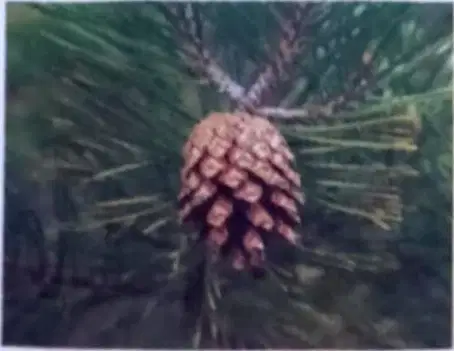
Which example best shows a gymnosperm?
Papaya tree with fleshy fruits
Corn plant with tassel flowers
Tomato plant with yellow flowers
Pine tree with woody cones
How are gymnosperms similar to angiosperms?
Both have vascular tissues and make seeds
Both do not transport food in phloem
Both lack xylem and phloem tissues
Both make seeds only inside fruits
Which group of plants produces spores instead of seeds?
Sporophytes like mosses and ferns
Angiosperms with colorful flowers
Gymnosperms with woody cones
Vascular flowering crop plants
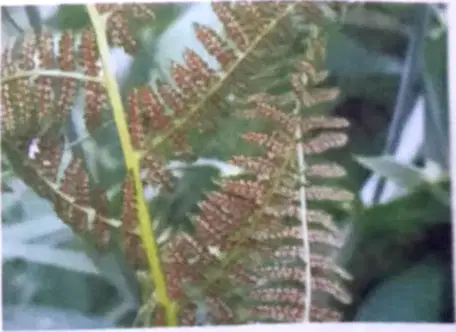
Where are spores often found on a fern plant?
Around the flower petals
At the tips of the roots
Inside the woody stem bark
On the underside of the leaves
Why is growth limited in many spore-bearing plants?
They lack vascular bundles
They live only in deserts
They have too many seeds
They do not make chlorophyll
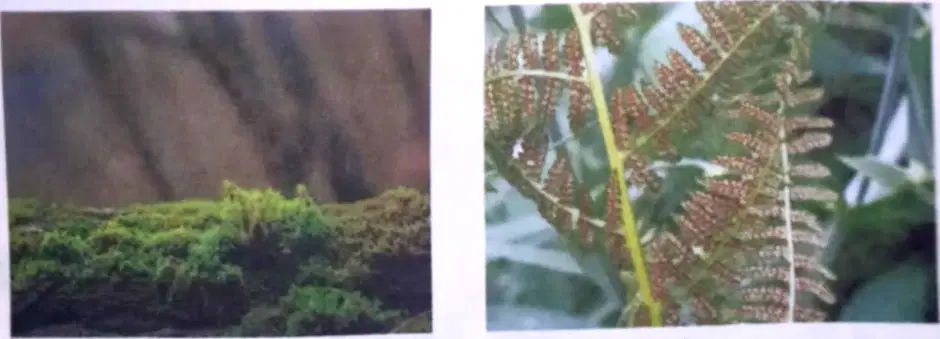
Which pair correctly lists spore-bearing plants?
Mosses and ferns
Pines and ginkgoes
Roses and sunflowers
Cacti and palms
Which statement about gymnosperms is correct?
They live only under water
They are cone-bearing plants
They have bright flower petals
They release spores for reproduction
Which structures carry water and food in vascular plants?
Cones and spores
Petals and sepals
Stomata and cuticle
Xylem and phloem
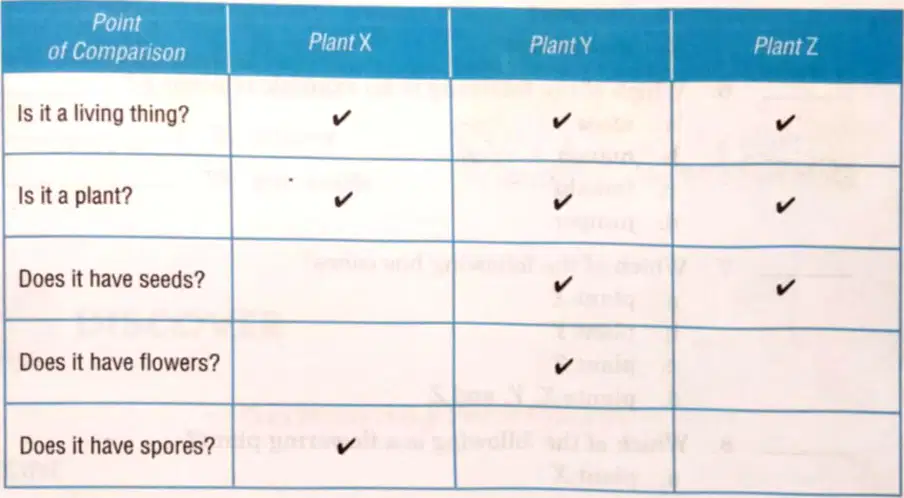
Look at the chart showing plants X, Y, and Z. Which plant is an angiosperm (a flowering plant with seeds inside fruits)?
plants X, Y, and Z
plant Z
plant X
plant Y
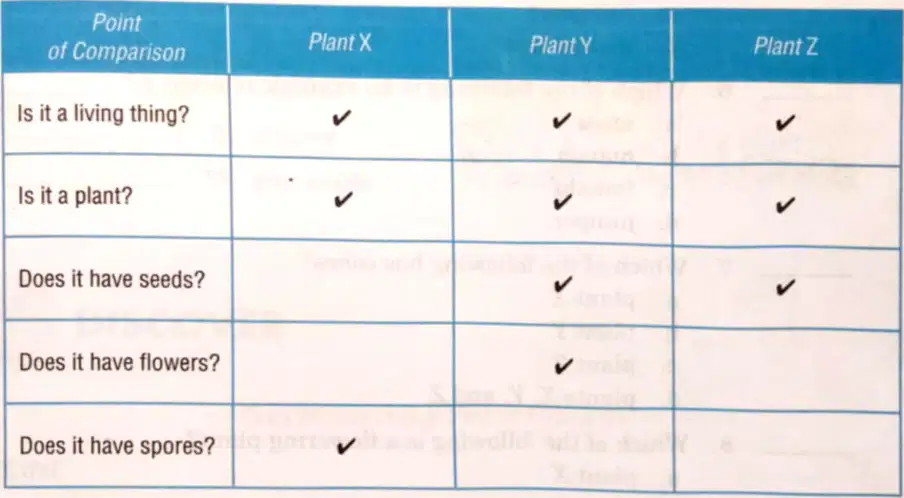
Using the chart, which plant is a gymnosperm (a plant with seeds in cones and no flowers)?
plant X
plant Y
plant Z
plants X, Y, and Z
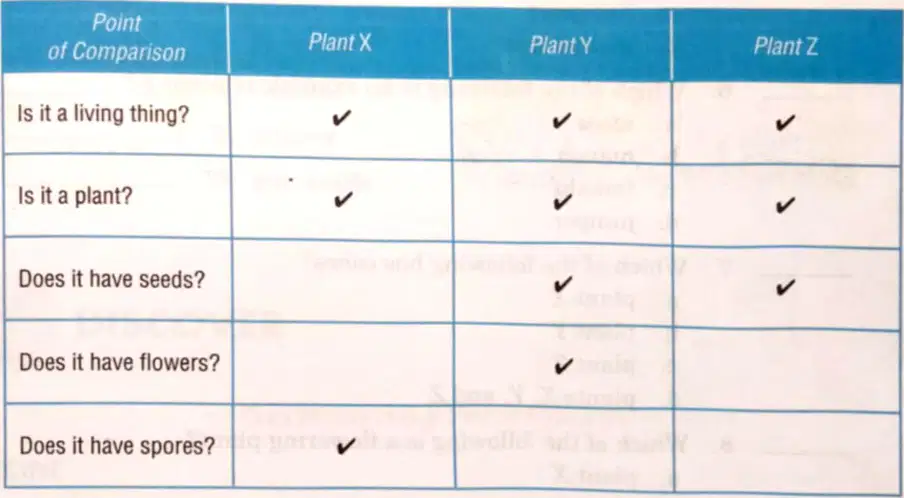
From the chart, which plant is a fern or moss (a sporophyte that uses spores instead of seeds)?
plants X, Y, and Z
plant Z
plant Y
plant X
Which of the following is an example of plant X based on the chart?
moss
gumamela
santan
pine tree
Which of the following is an example of plant Y based on the chart?
mango tree
fern
ginkgo
liverwort
Which of the following is an example of plant Z based on the chart?
mango
juniper
moss
tomato
According to the chart, which plant has cones?
plant Z
plant Y
plant X
plants X, Y, and Z
Which is a flowering plant?
plant Y
plant X
plants X, Y, and Z
plant Z
Which are nonflowering plants?
plants X and Z
plants Y and Z
plants X and Y
plants X, Y, and Z
Which have seeds between the scales of cones?
plants X, Y, and Z
plant Z
plant X
plant Y
Which plant is nonflowering and reproduces using spores?
Banana reproduces with seeds inside berries
Tomato reproduces with seeds in fruits
Fern reproduces using tiny spores
Squash reproduces with seeds in flowers
Which plant is flowering and produces seeds inside fruits?
Ginkgo makes seeds without flowers
Juniper makes seeds in berries
Moss makes seeds in cones
Pine makes seeds in cones
Which pair shows two flowering plants?
Tomato and gumamela
Ginkgo and santan
Fern and moss
Pine tree and juniper
Which plant is a nonflowering plant that makes seeds in cones?
Juniper is a cone-bearing plant
Tomato is a cone-bearing plant
Squash is a cone-bearing plant
Banana is a cone-bearing plant
Which plant is correctly matched as flowering?
Pine is flowering with petals
Gumamela is flowering with petals
Fern is flowering with petals
Moss is flowering with petals
Which item is required to germinate fern spores?
Metal tongs for heating spores
Cooking oil for sealing the dish
Magnets for moving the spores
Petri dish for holding the towel
What is the first step in the fern spore lab?
Sprinkle spores on a dry towel
Record observations before adding water
Moisten the paper towel with water
Place the dish in direct sunlight
Why should distilled water be used in the lab?
It contains helpful garden soil
It has fewer impurities for spores
It adds plant food and fertilizer
It makes the dish smell pleasant
Where should the Petri dish be placed after spraying water?
In bright direct sunlight
Inside a sealed dark box
In indirect sunlight area
In a freezer overnight
What should you do each day during the experiment?
Move dish to different windows
Stir spores with a metal spoon
Moisten spores and observe daily
Add soap to keep spores clean
Which plant belongs to nonflowering plants?
Banana with big flower clusters
Santan with colorful blooms
Ginkgo without flowers
Tomato with yellow flowers
Which step warns you not to overdo something?
Do not oversoak when spraying water
Do not overheat when using fire
Do not overmix the plant soil
Do not overfreeze the distilled water
Which body part helps most fish breathe underwater?
Scales on their skin
Gills on their sides
Tongues in their mouth
Lungs in their chest
Which feature is mainly used by fish to move through water?
Long legs with toes
Sharp teeth for biting
Fins and a tail
Sticky tongues for food
Which option shows a correct difference between fish and amphibians?
Amphibians always keep fins and tails
Fish use lungs, amphibians use gills only
Amphibians can live on land and water
Fish live only on land
What happens during the life cycle of most amphibians?
They keep tails throughout life
They grow scales for protection
They start with gills and fins
They hatch with lungs and legs
Which animal is an example of a fish?
Salamander
Frog
Toad
Tilapia
Which animal is an example of an amphibian?
Stingray
Newt
Parrotfish
Tuna
Which trait best describes most amphibian skin?
Hard, bony, and spiky
Furry, warm, and oily
Thin, smooth, and moist
Thick, scaly, and dry
Which statement about feeding is true for these groups?
Fish only filter tiny plants
Amphibians only eat fruit
Amphibians never use tongues
Fish have varied mouth feeding methods
Which feature helps reptiles keep water inside their bodies?
Wet slimy skin surface
Fur that traps heat
Dry scales on the skin
Feather-covered body
Reptiles mainly breathe using which body part?
Lungs for breathing air
Skin that absorbs air
Gills for breathing water
Mouths that filter oxygen
Which animal group is covered with feathers?
Reptiles with scaly bodies
Birds with feathered bodies
Mammals with hairy bodies
Insects with hard shells
Most birds use which body parts for flying?
Tails for strong lift
Beaks for gliding long
Legs for fast running
Wings for powered flight
Which bird trait helps ducks and penguins swim well?
Webbed feet and flippers
Hollow light bones
Long sharp beaks
Featherless bodies
Mammals feed their babies using what special structures?
Long sticky tongues
Beaks that store food
Mammary glands with milk
Large chewing jaws
Which covering is common on many mammals?
Feathers over the body
Fur or hair covering
Hard chitin shell
Smooth slimy skin
Which statement about bats is correct?
They are insects with six legs
They are reptiles that swim
They are mammals that fly
They are birds that glide
Insects do not have a backbone. What do they have instead?
Internal bony skeleton
External exoskeleton
Flexible cartilage frame
Strong muscle-only support
What is chitin in insects?
Sticky food storage gel
Liquid that cools bodies
Tough rigid shell material
Soft skin tissue
As insects grow, what happens to their exoskeleton?
It turns into hard bones
It melts into new skin
It stretches wider slowly
It is shed during molting
Which group includes snakes, lizards, chameleons, and turtles?
Birds with beaks and wings
Mammals with fur and milk
Reptiles with dry scales
Insects with six legs

