
 Worksheets
Matter Chapter Review
Total questions: 59
Worksheet time: 42mins
MATTER can be SOLID, LIQUID or
(a)
All MATTER must TAKE UP SPACE and HAVE (a)
This PHASE of matter is made up of particles that are moving very fast and are spread far apart.
Liquid
Solid
Gas
Plasma
Gas takes up space.
True
False
All matter is made up of tiny particles called "NEUTRONS".
True
False
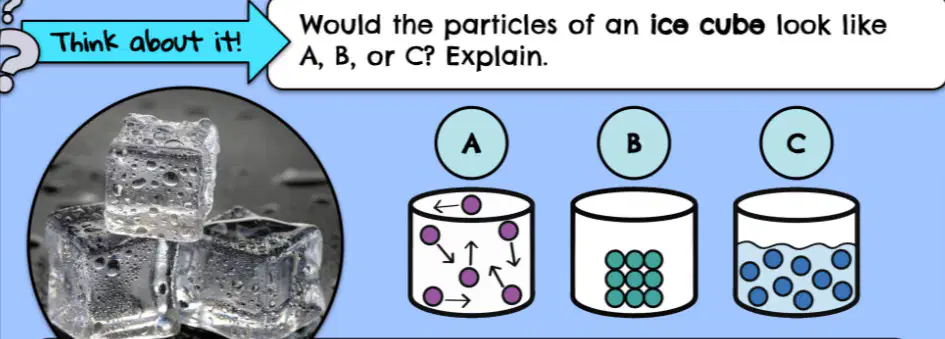
Would the particles of an ice cube look like A, B or C?
A
B
C
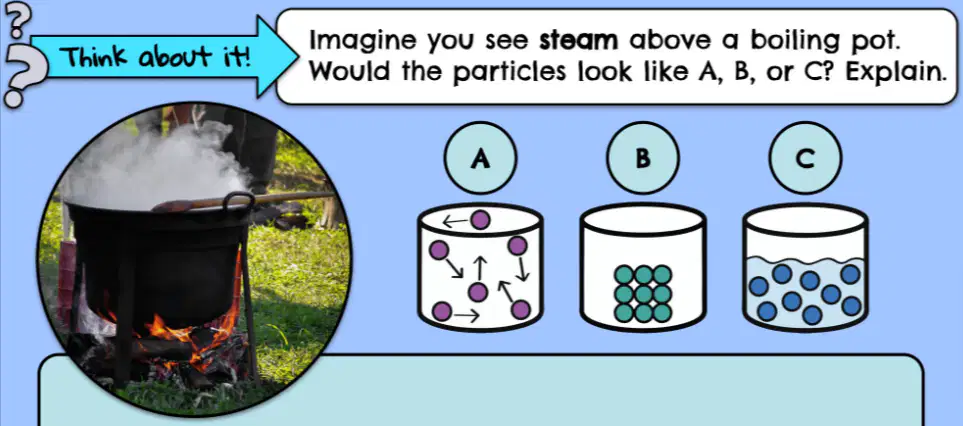
Would the particles in steam look like A, B or C?
A
B
C
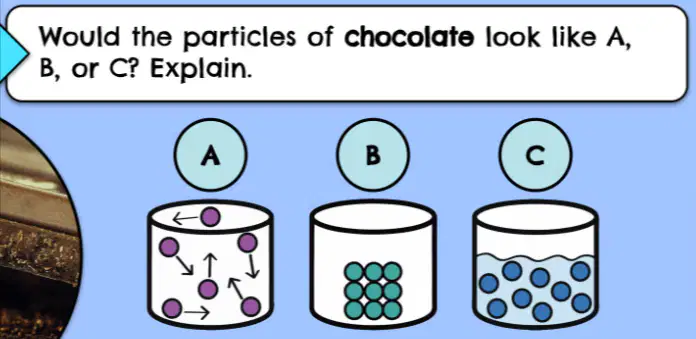
Would the particles of chocolate look like A, B, or C?
A
B
C
A (a) has particles that are widely spaced apart and fast moving
A (a) has particles that are tightly packed together.
Water vapor is water in the form of (a) .
This PHASE of matter is made up of particles that are moving very fast and are spread far apart.
Liquid
Solid
Gas
Plasma


Which term describes when a substance is changed from a liquid to a gas?
Condensation
Evaporation
Filtration
Precipitation
Mass measures _____________
The amount of space an object takes up
The amount of "stuff" in an object ________________
How tall the object is
How does thermal energy transfer between objects?
It does not transfer
From warmer to cooler objects
randomly
From cooler to warmer objects
What is thermal equilibrium?
When an object is at its hottest point.
When an object stops moving.
When two objects reach the same temperature.
When thermal energy stops existing.
Why do you feel cold when you touch a metal surface?
Because the metal generates cold.
Because the metal is moving.
Because your hand has stopped moving.
Because thermal energy is flowing from your hand into the metal.
Why does an ice cube melt at room temperature?
Because the cold thermal energy spreads to the warmer room.
Because it is made of water.
Because it absorbs light.
Because thermal energy flows into it from the warmer room.
What needs to be applied to matter in order to make it change state?
(a)
How can a physical property be observed?
Through a chemical reaction
Using the five senses (touch, sight, smell, sound, taste)
By changing the state of matter
By measuring the atomic weight
What does luster describe in the context of physical properties?
The ability of a material to be stretched
How light interacts with the surface of an object
The weight of an object
The color of an object
What does transparency refer to when discussing physical properties?
The ability of a material to conduct electricity
The ability of a material to absorb light
The property of allowing light to pass through something
The temperature at which a material melts
What is hardness a measure of in terms of physical properties?
How resistant a material is to being stretched
How resistant a material is to changes in temperature
How resistant a material is to being compressed
How resistant a material is to being scratched
What is a characteristic of gold related to its ability to be scratched?
Ductility
Hardness
Malleability
Conductivity
What physical property allows fridge doors to seal closed?
Gravity
Magnetism
Friction
Elasticity

When bubbles form, it is proof of a:
physical reaction
chemical reaction
What kind of reaction creates new substances?
physical reaction
chemical reaction
Cutting Paper
Physical Change
Chemical Change
Toasting Bread
Physical Change
Chemical Change
Rotting Fruit (Like a brown banana)
Physical Change
Chemical Change
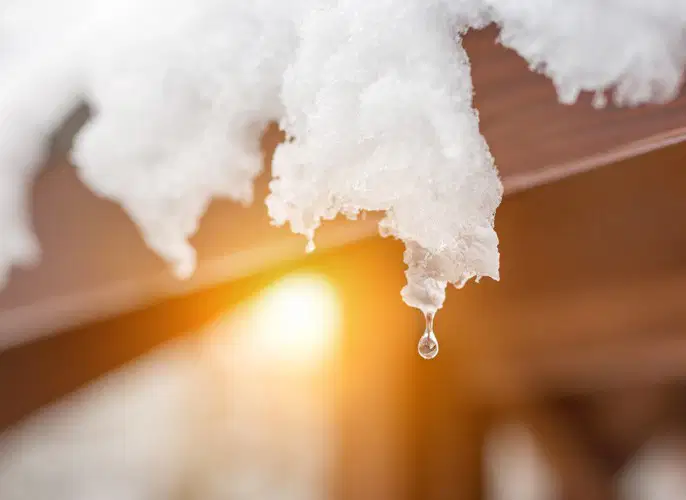
What type of change occurs when snow melts into water?
Chemical change
Physical change
Biological change
Permanent change
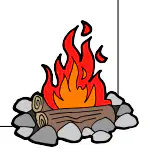
What type of change is burning wood in a fire?
Chemical change
Physical change
Biological change
Reversible change
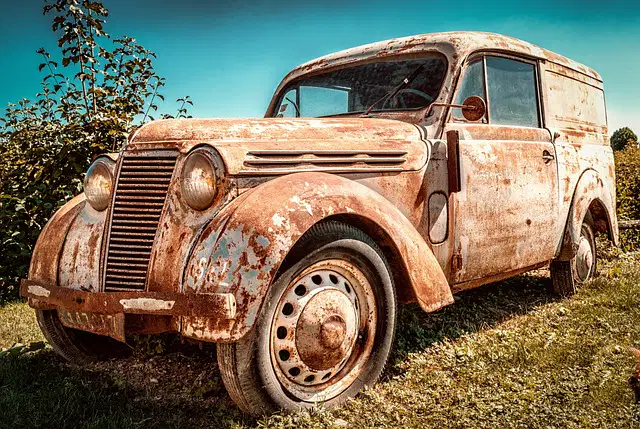
What happens when a car oxidizes (rusts)?
Chemical change
Physical change
Biological change
Temporary change
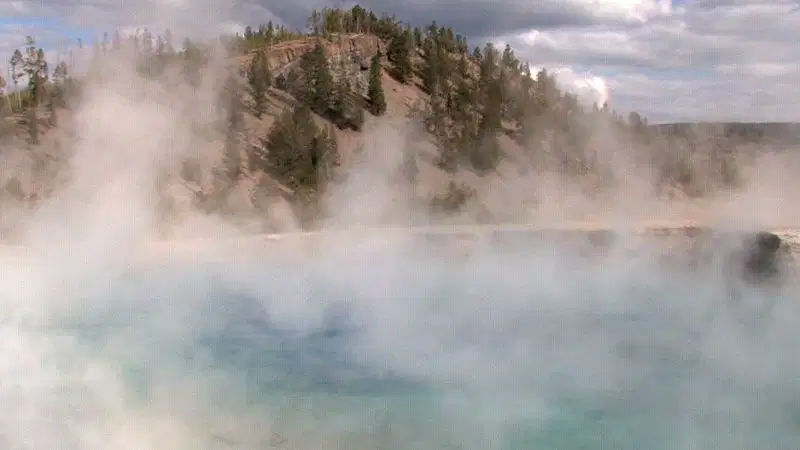
What type of change is the evaporation of water?
Chemical change
Physical change
Biological change
Permanent change
What type of change occurs when food is digested?
Chemical change
Physical change
Biological change
Irreversible change

What type of change does shredding paper represent?
Chemical change
Physical change
Biological change
Permanent change
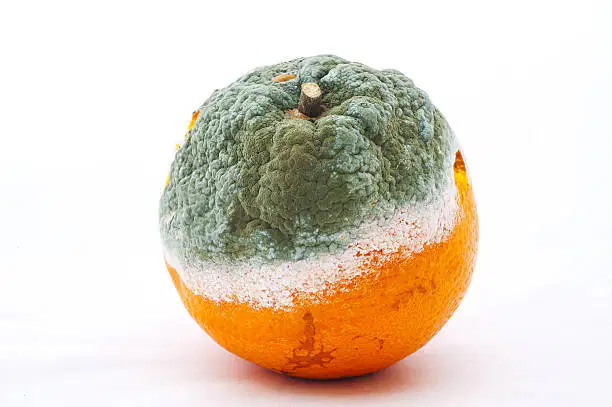
What type of change is observed when fruit rots?
Chemical change
Physical change
Biological change
Irreversible change

What is the term used to describe the smallest unit of an element that maintains the properties of that element?
Molecule
Atom
Compound
Element
What is the process called when a solid turns into a liquid?
Freezing
Sublimation
Deposition
Melting

Which term is used to describe the process where a liquid becomes a solid?
Melting
Freezing
Deposition
Sublimation
What type of energy is involved with heat?
Chemical Energy
Physical Energy
Thermal Energy
Mechanical Energy
Give an example of a physical change.
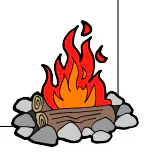
Burning of wood

Rusting of iron
Melting of ice

Baking a cake
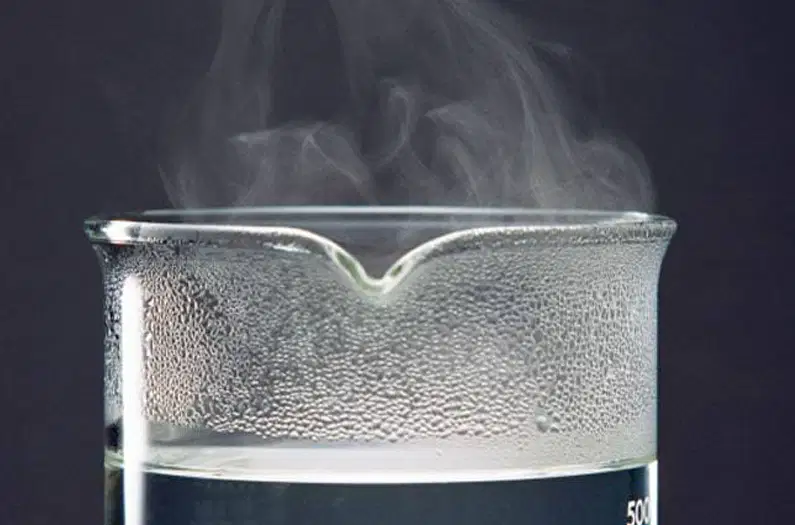
What process occurs when a liquid changes into a gas?
Evaporation
Sublimation
Freezing
Deposition

What process occurs when a gas changes into a liquid?
Deposition
Sublimation
Melting
Condensation
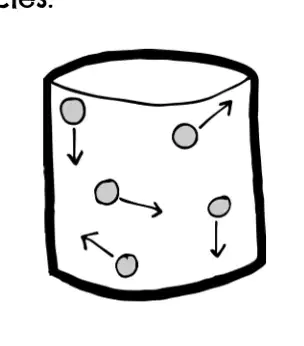
Identify the state of matter in the first diagram based on the position of the particles.
Solid
Liquid
Gas
Plasma
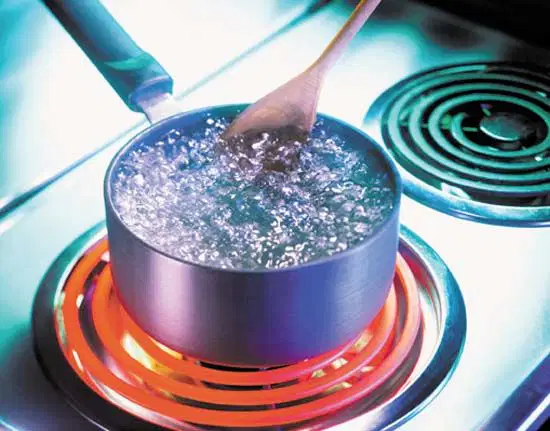
What is the boiling point of water in degrees Celsius?
10 degrees Celsius
50 degrees Celsius
100 degrees Celsius
0 degrees Celsius
When an object is cooled, what happens to its thermal energy?
Creates thermal energy
Gains thermal energy
Loses thermal energy
Has no transfer of thermal energy

