
NEW
Font size
 Worksheets
G8 Review Game: World Wars 1 and 2
Total questions: 67
Worksheet time: 34mins
Which role best describes Adolf Hitler during World War I?
Junior officer in German forces
Navy clerk for Germany
Corporal in the German Army
Civilian nationalist organizer
During World War I, Joseph Stalin was primarily known as what?
Front-line Red Army general
Prime Minister of Russia
Soviet Communist revolutionary
Head of the Soviet secret police
What government position did Franklin D. Roosevelt hold during World War I?
U.S. President
U.S. Assistant Secretary of the Navy
U.S. Army brigade commander
Governor of New York
In World War I, Winston Churchill’s status is best summarized as which option?
Celebrated naval strategist
Disgraced First Lord of the Admiralty
Air Force chief of staff
Foreign Secretary of Britain
Which World War I role fits Benito Mussolini?
Mayor of Rome
Corporal in the Italian Army
Foreign minister of Italy
Italian newspaper editor
By World War II, Adolf Hitler held which leadership position?
Chancellor of Austria
President of Weimar Republic
Commander of German Navy
Leader of Nazi Germany
Which title matches Joseph Stalin during World War II?
Leader of Free France
Premier of Britain
Leader of the Soviet Union
President of the United States
Franklin D. Roosevelt’s role in World War II was:
U.S. Army Chief of Staff
President of the United States
Secretary of State
Vice President of the United States
Winston Churchill served as what during World War II?
British Foreign Secretary
Governor-General of Canada
Chief of the Imperial General Staff
Prime Minister of the United Kingdom
Which position describes Benito Mussolini in World War II?
Leader of Fascist Italy
Italian democratic reformer
Commander of Allied forces in Italy
King of Italy
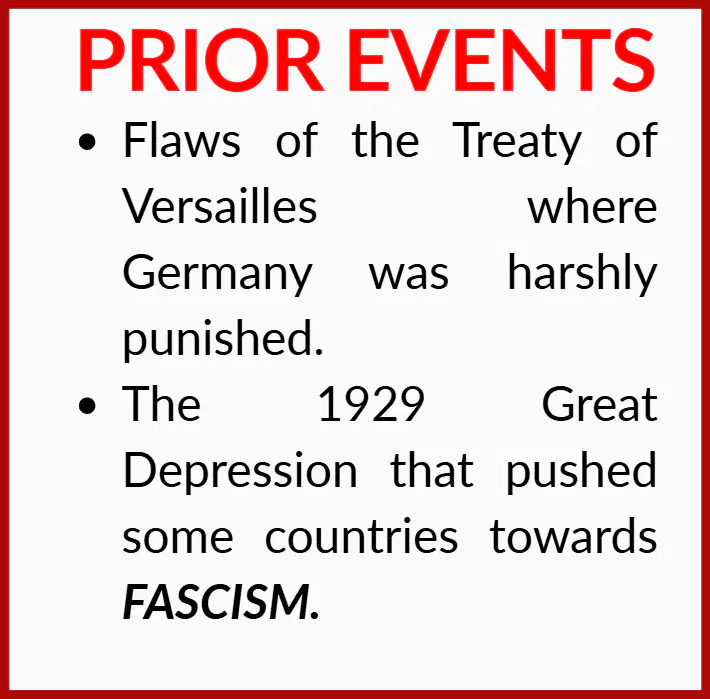
Which flaw of the Treaty of Versailles most fueled anger in Germany, helping set the stage for World War 2?
Free colonies and global autonomy
Generous aid and trade expansion
Severe reparations and military limits
Open borders and labor migration
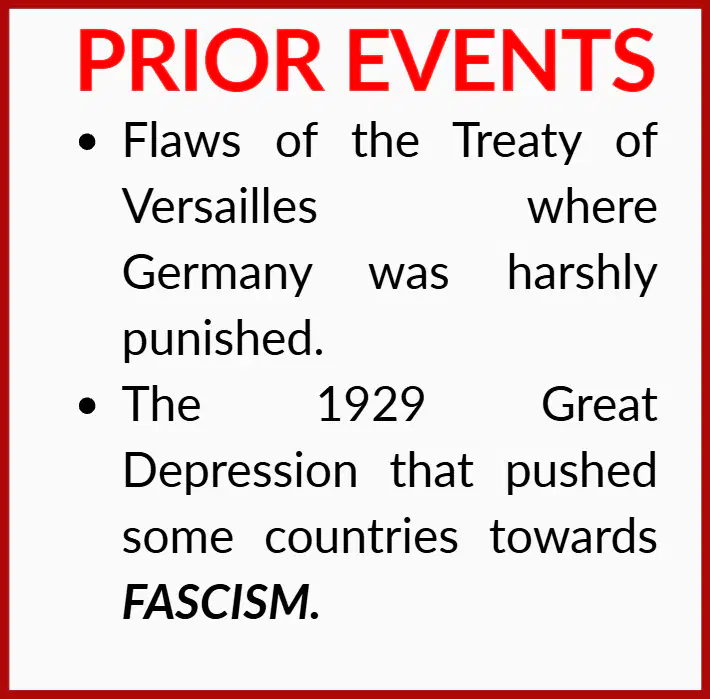
How did the Great Depression contribute to the rise of fascist movements in the 1930s?
Economic crisis made extreme solutions appealing
Prosperity strengthened liberal democracies
Global trade boom reduced social tensions
Worker wages rose, easing political conflict
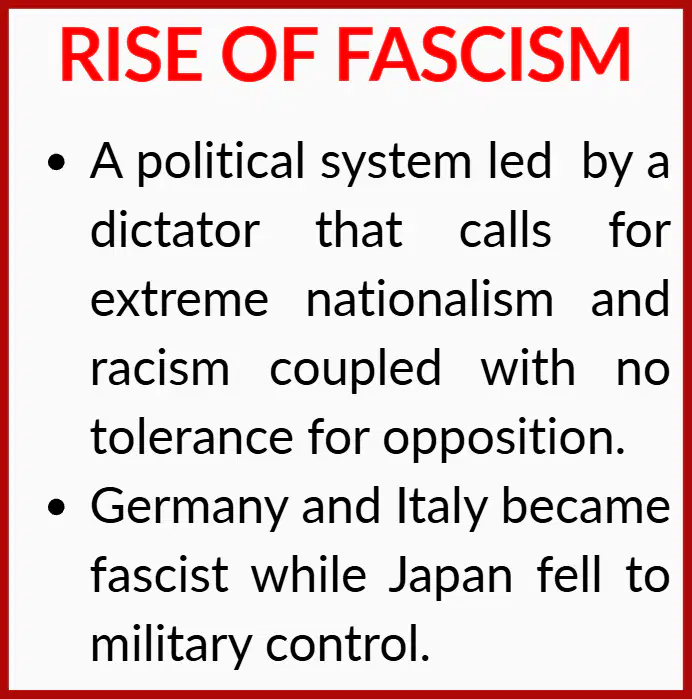
Which description best defines fascism as seen in Germany and Italy before World War 2?
Decentralized councils and local autonomy
Religious theocracy governed by clergy
Parliamentary rule with broad civil liberties
Dictatorship with extreme nationalism and racism
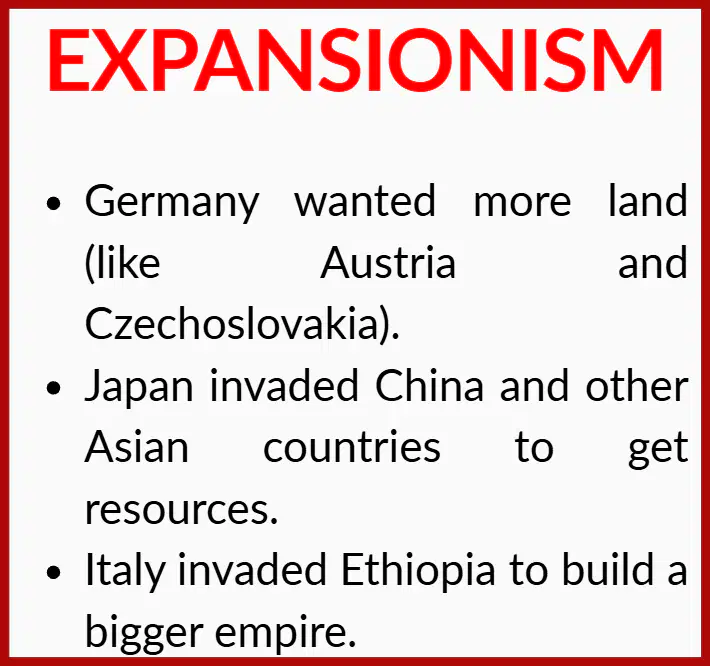
Which action illustrates expansionism leading up to World War 2?
Germany annexed Austria and eyed Czechoslovakia
Britain granted independence to colonies
France reduced its border defenses
The United States limited immigration quotas
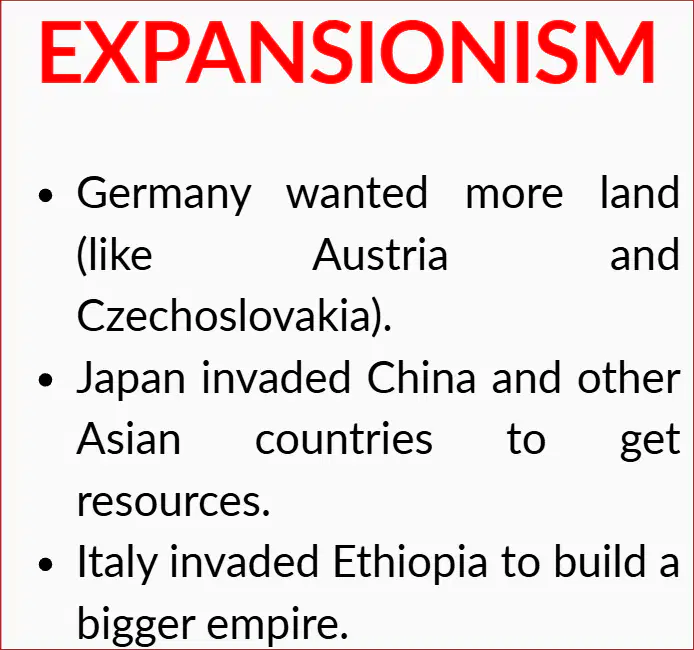
Why did Japan invade parts of China and other Asian territories in the 1930s?
To comply with League sanctions
To retreat from international trade
To spread democratic institutions
To secure resources for its industry
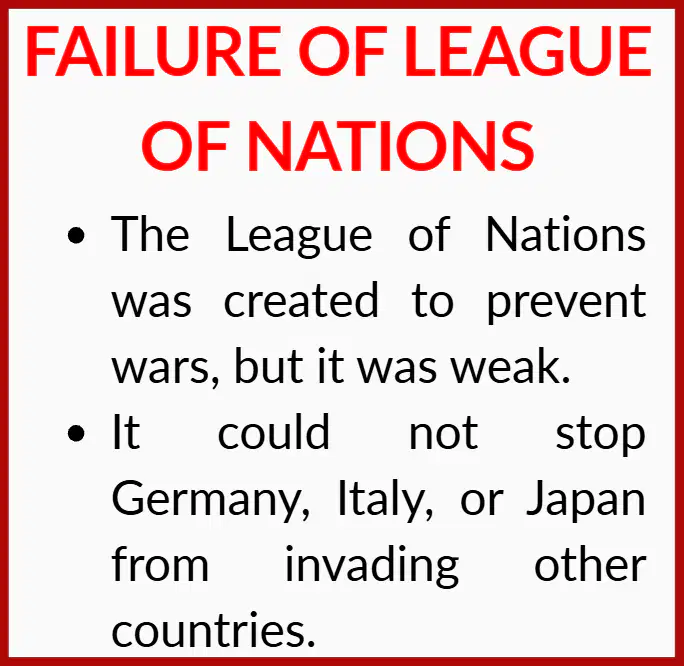
What weakness of the League of Nations allowed aggressor states to expand in the 1930s?
Lack of enforcement against invasions
Strong military deterring conflicts
Effective sanctions stopping wars
Binding courts punishing aggressors
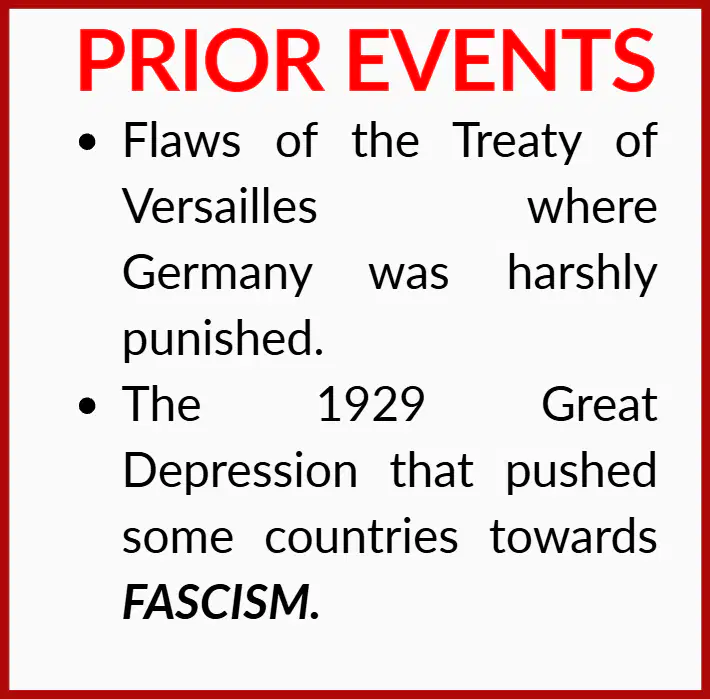
Which sequence best connects causes to outcomes that increased the likelihood of war?
Harsh treaty bred resentment; depression empowered dictators
Lenient treaty eased tensions; prosperity stabilized politics
Arms limits ended militarism; cooperation prevented conflict
Open diplomacy built trust; strong league deterred invasions
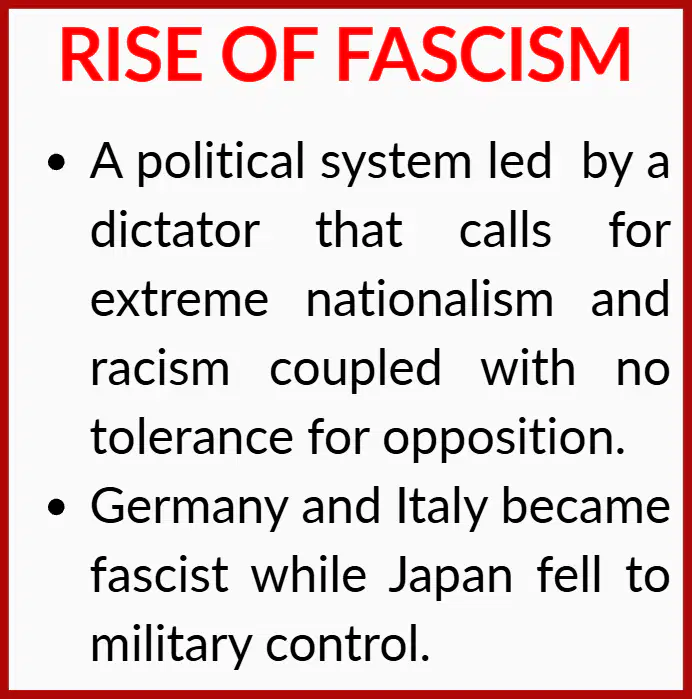
Which countries are correctly matched with pre‑war political or military shifts described?
Britain and France embraced fascism; USA militarized
Italy and China formed a unified federation
Germany and Japan adopted liberal democracy
Germany and Italy became fascist; Japan militarized
Which countries formed the Pact of Steel in 1939?
Britain and France
Italy and Japan
Germany and Japan
Germany and Italy
What was the main purpose of the Tripartite Pact signed in 1940?
To add Japan to the Axis
To end war in Europe
To form the Allied council
To divide Africa among empires
Which trio of nations were the core Axis Powers after 1940?
Germany, Italy, Japan
Britain, France, China
United States, Britain, USSR
France, China, Japan
Which countries are listed among the Allies by 1941?
Italy, France, Japan
China, Germany, Britain
Britain, United States, Soviet Union
Germany, Italy, Japan
Which statement best defines a pact in international relations?
A secret trade deal without laws
A temporary ceasefire without terms
An informal promise between friends
A formal agreement between parties
Why did the Axis Powers become a named faction after 1939?
Because the U.S. entered the war
Because Germany and Italy allied
Because China joined the Allies
Because Britain invaded France
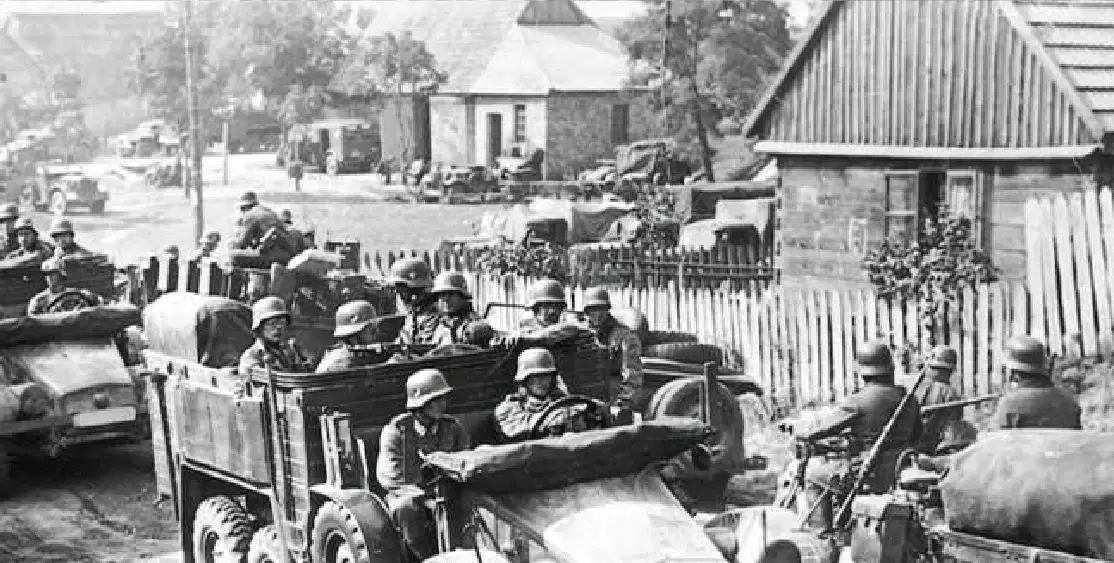
Which event marked the start of Germany’s war in Europe in 1939?
Fall of France and the Netherlands
Occupation of Denmark and Norway
Invasion of Poland violating Munich
Attack on Britain in August 1940

What does the term Blitzkrieg mean in German?
Defensive trench warfare
Sudden sea assault
Lightning war strategy
Long-term attrition war

Which group of countries fell to Germany in 1940?
Netherlands, Sweden, Switzerland, Austria
Poland, Hungary, Romania, Bulgaria
Denmark, Belgium, Norway, France
Spain, Portugal, Italy, Greece
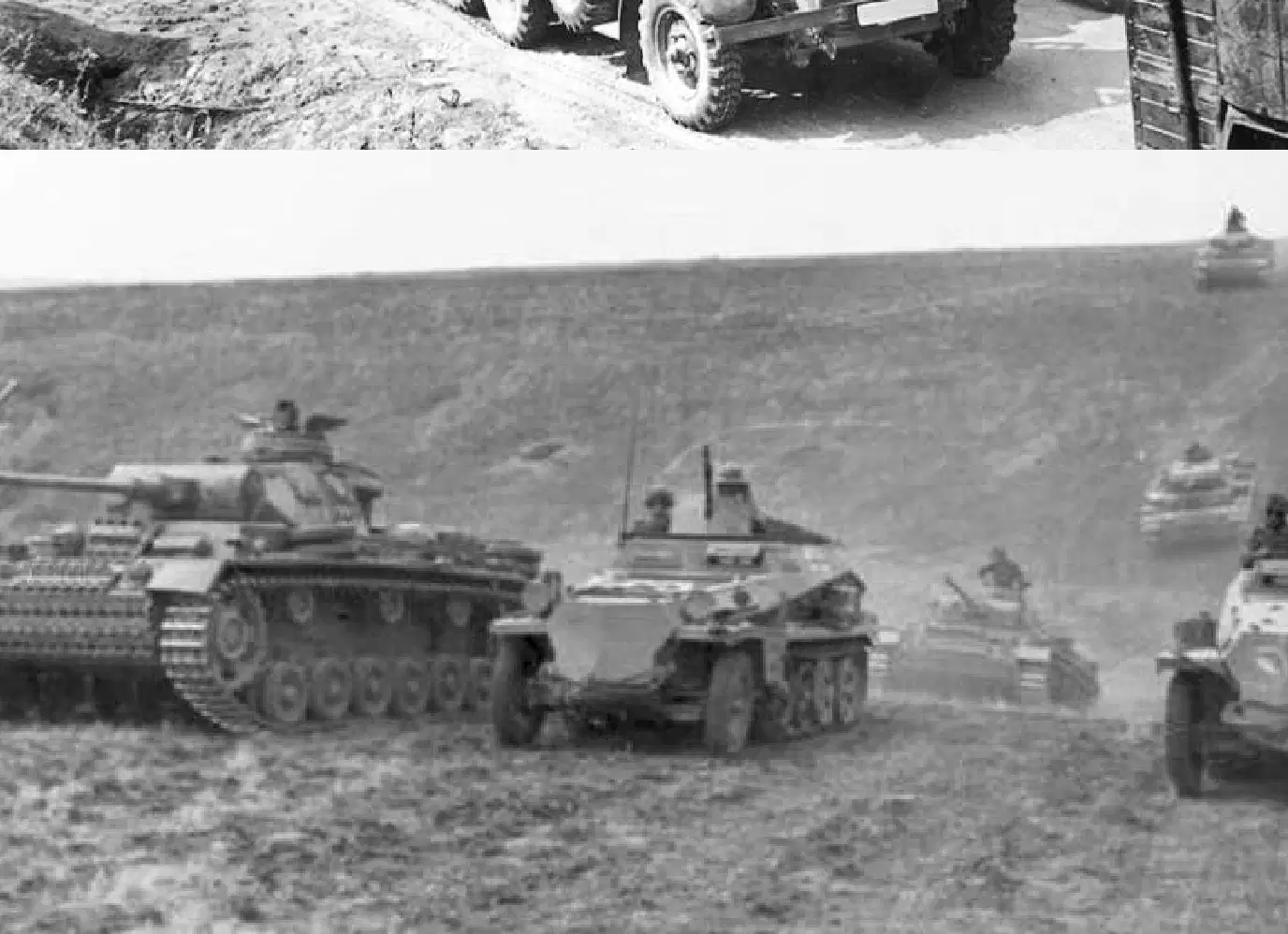
How did Blitzkrieg tactics contribute to Germany’s success in Poland?
They created shock invasions for speed
They relied on prolonged siege warfare
They focused on naval blockades only
They enabled slow encirclement operations

What was Japan’s military action in China during the late 1930s?
Naval patrols along the South China Sea
Limited border skirmishes near Manchuria
Signed a neutrality pact with China
War with Nationalist China and occupation

By the 1940s, Japan’s expansion led to what regional outcome?
Control of much of East Asia
Retreat to home islands only
Loss of territories in the Pacific
Dominance limited to northern China
Why did Japan’s expansion raise concerns among the United States and Western Allies?
It reduced global military spending overall
It ended Germany’s influence in Europe
It improved regional stability and peace
It threatened European colonies and trade
Which event drew the United States directly into World War 2 during 1941?
German invasion of the Soviet Union in summer
British bombing of German industrial cities
Japanese attack on Pearl Harbor in December
Italian offensive in North Africa in autumn
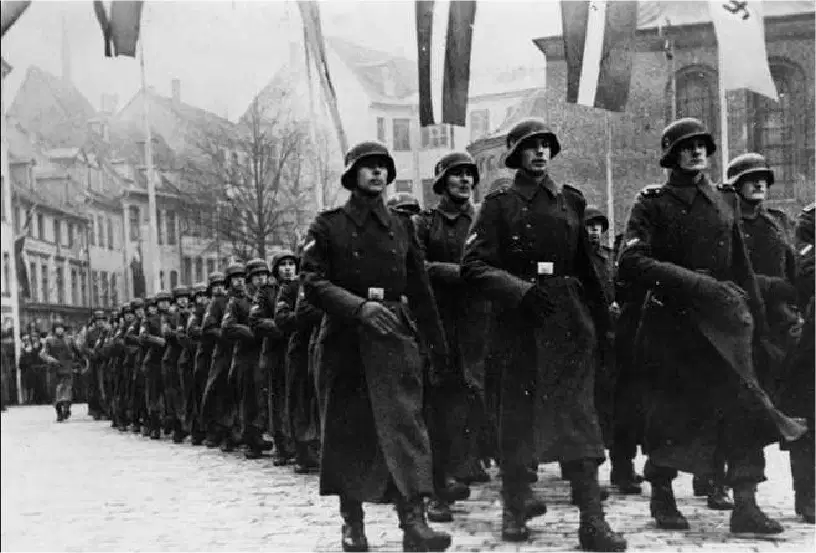
What was the main objective of Germany’s invasion of the Soviet Union in 1941?
Open trade routes across the Atlantic Ocean
Secure oil and grain resources in the east
Force Britain to surrender through blockade
Protect Italy from Allied naval attacks
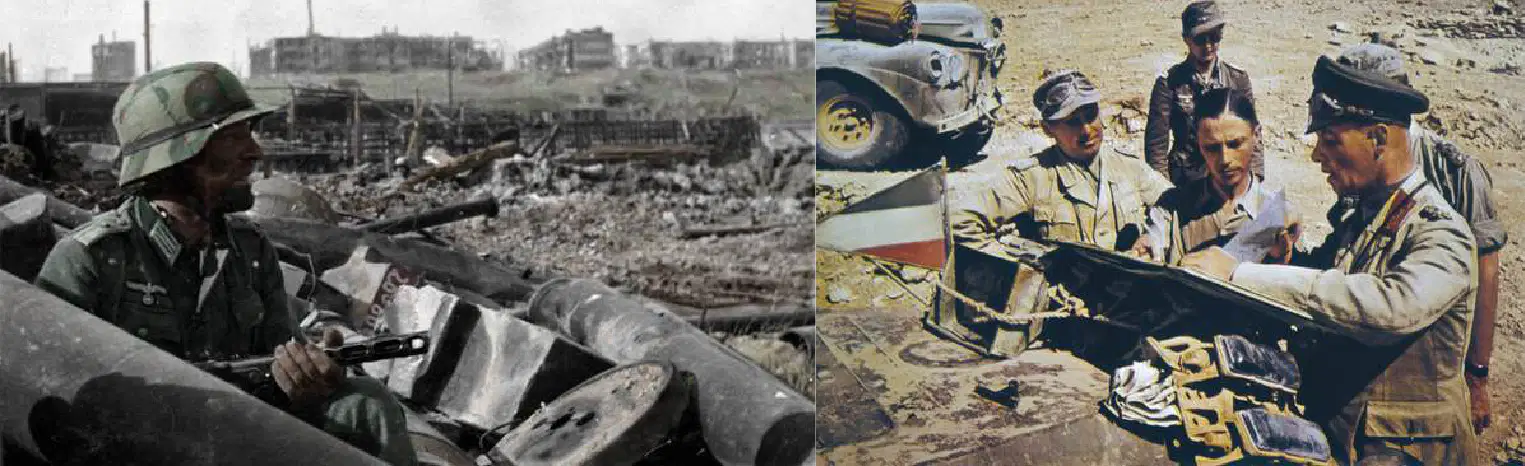
In North Africa, which German force was sent to support Italian troops against the British?
Waffen-SS mountain brigades
Luftwaffe paratrooper regiments
Afrika Korps under Rommel’s command
Panzer Lehr Division forces
By late 1942 in Europe, which large eastern nation was resisting Germany along a vast front?
Republic of Turkey on the Black Sea
Soviet Union across the Eastern Front
Vichy France in southern regions
United Kingdom along the Channel coast
Which statement best describes the early Axis advances and their eventual outcome in 1941–1942?
Axis gains were limited and quickly reversed everywhere
Allied forces dominated Europe from the very beginning
Japan failed to expand across the Asia-Pacific region
Germans advanced in multiple theaters but were pushed back later
Which region shows German occupation or control by late 1942?
British-controlled territories across all of Scandinavia
Neutral states along Iberian Peninsula throughout
Italian occupation spreading into the Soviet heartland
Large areas labeled German Reich in central Europe
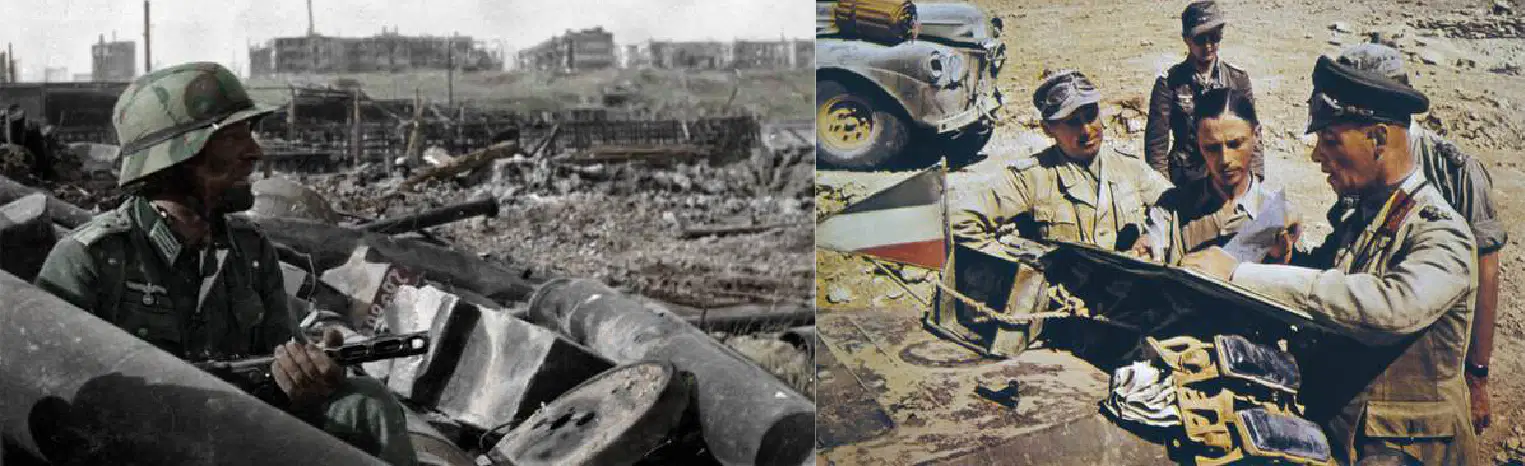
Why did Germany send forces to North Africa during the first phase of the war?
To defend ports from Soviet submarines
To invade Turkey and secure the straits
To aid Italy against British forces there
To launch amphibious attacks on the Balkans
What strategic effect did the attack on Pearl Harbor have on the wider war?
It ended the war in Europe immediately
It brought the United States into active combat
It forced Germany to withdraw from the Soviet Union
It made Italy switch sides to the Allies
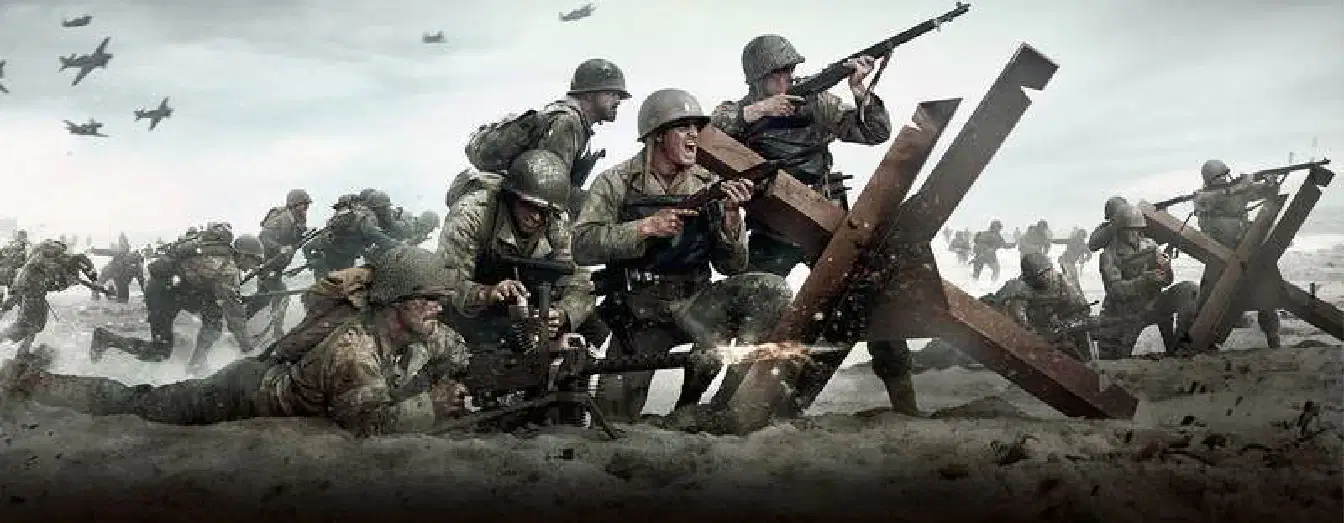
Which event marked the large Western Allied amphibious invasion of Nazi-occupied Western Europe?
Battle of the Bulge offensive in Belgium
D-Day landings at Normandy, France
Sicily air raids by British bombers
Market Garden bridges in the Netherlands
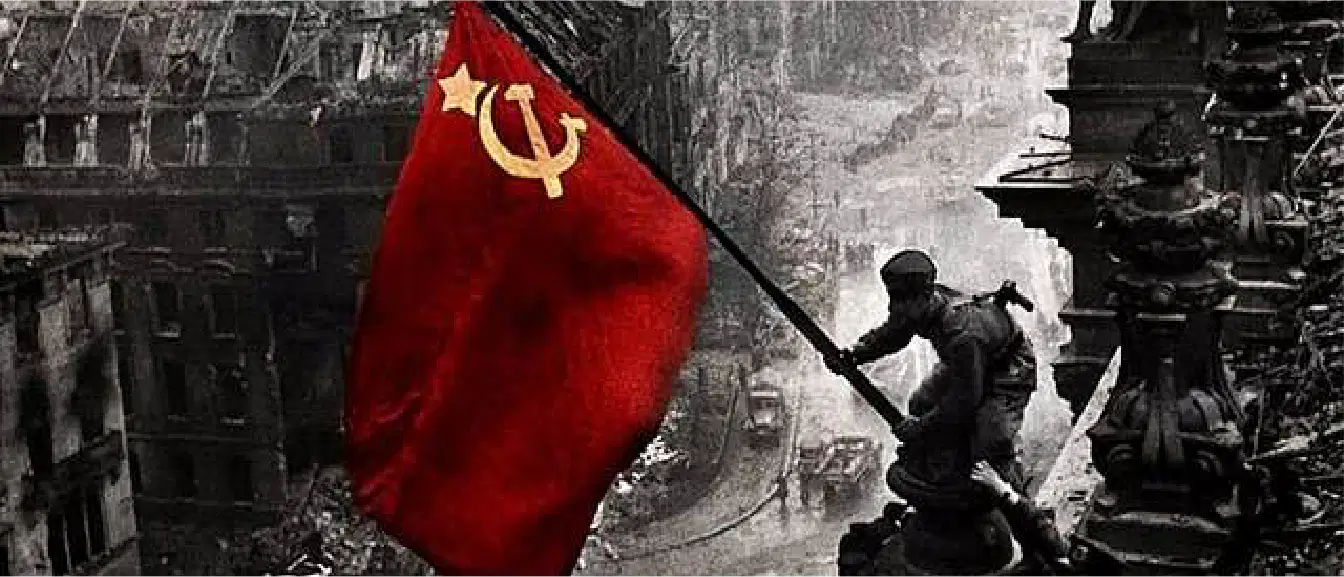
Which army advanced from Eastern Europe toward Berlin during the final phase in Europe?
United States Army from Italy
Soviet Union Red Army from the east
British Expeditionary Force from Spain
Free French Forces from the Alps
What was the strategic effect of the two-front Allied advances on Nazi Germany by 1945?
It turned Germany into a neutral buffer state
It allowed Germany to focus all forces on the west
It forced Germany into steady retreat and collapse
It enabled Germany to regroup in Scandinavia
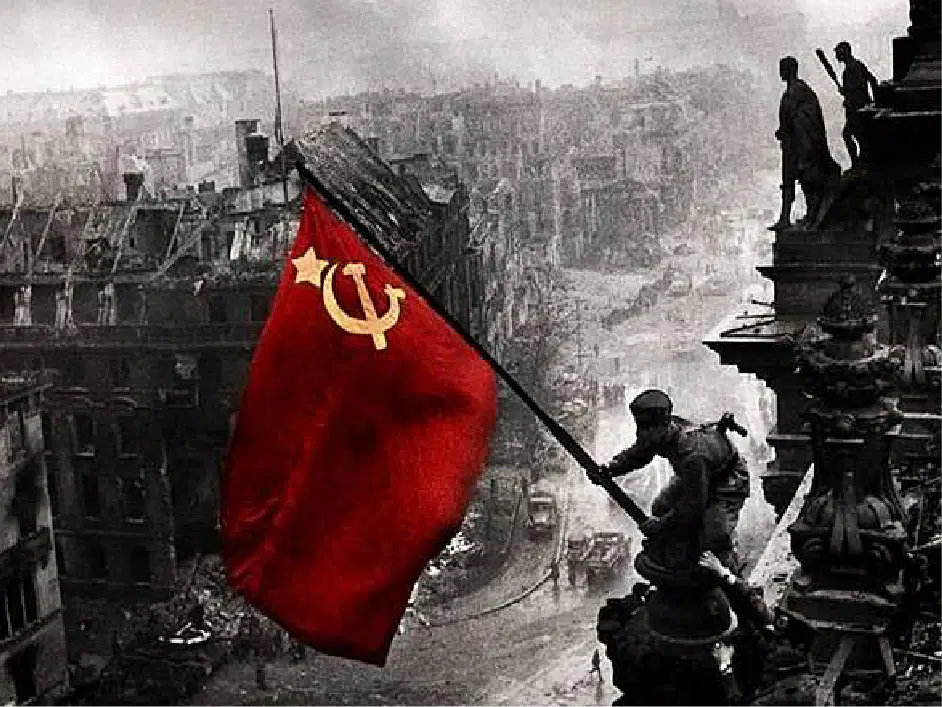
Which sequence best shows the progression toward the end of the war in Europe?
Italian armistice, D-Day landings, Berlin captured
Berlin captured, D-Day landings, Italy invades Greece
D-Day landings, Berlin captured, Pearl Harbor attacked
Pearl Harbor attacked, Berlin captured, D-Day landings

What primary goal did the Normandy landings accomplish for the Western Allies?
Opening a supply route to North Africa
Creating a western front in France
Securing the Suez Canal shipping
Capturing the Balkans for bases
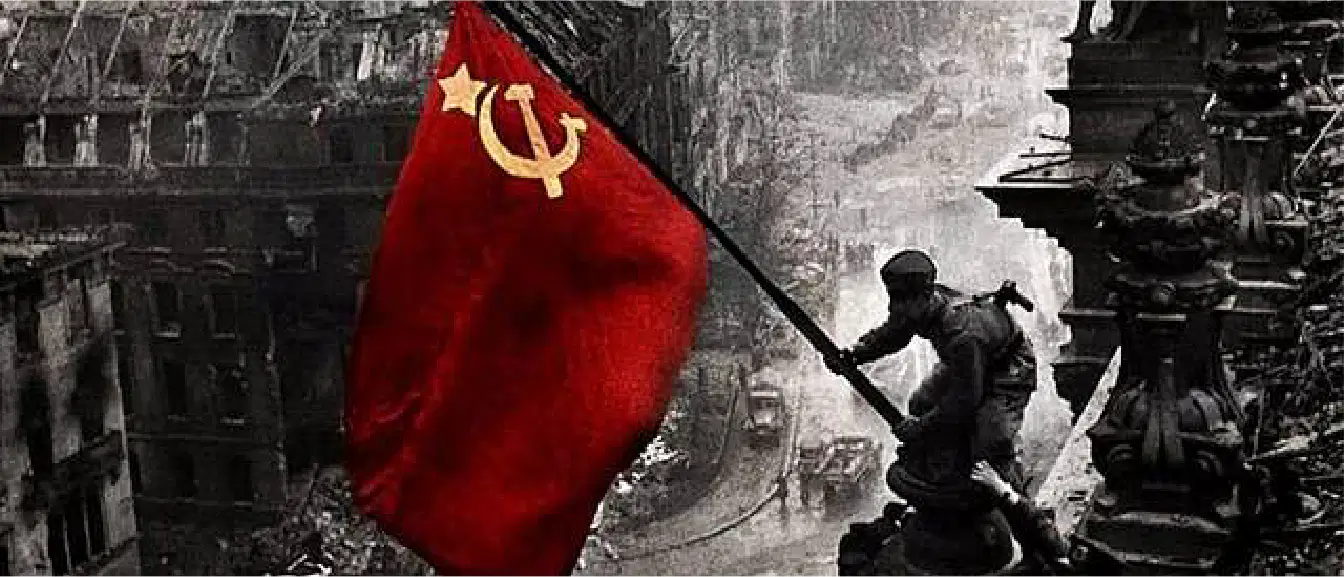
Which outcome followed the Soviet advance into Berlin?
The Axis gained control of Scandinavia
Germany split into three small republics
Nazi Germany surrendered unconditionally
Hitler negotiated a ceasefire with Britain

How did Allied successes in both Europe and Asia affect the Axis powers overall?
They stretched Axis resources and defenses thin
They forced Axis focus solely on naval warfare
They isolated the Axis from neutral nations
They boosted Axis morale across all fronts
Why was defeat described as inevitable for Germany by late 1944–1945?
Germany controlled most ocean trade routes
Germany held superior air power over Europe
Germany faced simultaneous advances from east and west
Germany received reinforcements from Japan
Which Pacific strategy moved Allied forces from island to island toward Japan?
Blockade of mainland harbors
Trench warfare along coastlines
Direct assault on Tokyo Bay
Island hopping across the Pacific
Iwo Jima and Okinawa were important because they
Held large oil reserves for Allies
Provided airfields close to Japan
Hosted peace talks with Japan
Served as neutral refugee zones
What was Operation Downfall planned to achieve?
Armistice with the Soviet Union
Liberation of French colonies
Full-scale invasion of Japan
Naval blockade of China
Why did leaders fear Operation Downfall might not proceed?
Lack of trained pilots for air cover
Monsoon weather made sailing impossible
Shortage of ships for transport
Expected massive casualties on both sides

Who authorized the use of atomic bombs against Japan?
U.S. President Harry S. Truman
British Prime Minister Winston Churchill
Supreme Allied Commander Dwight Eisenhower
U.S. Navy Admiral Chester Nimitz
Match each city with the correct date of atomic bombing.
Hiroshima — August 6, 1945
Nagasaki — August 6, 1945
Nagasaki — August 9, 1945
Hiroshima — August 9, 1945
What immediate effect did the atomic bombings have on Hiroshima and Nagasaki?
Only military bases were targeted
Both cities were completely destroyed
Both cities were lightly damaged
Destruction was limited to harbor areas
Which sequence best explains the Pacific war’s end?
Air raids, African campaign, Paris liberation
Naval blockade, D-Day, Italian armistice
Pearl Harbor, Soviet invasion, German surrender
Island hopping, atomic bombings, Japanese surrender
Which years mark the duration of World War II shown on the monument photo?
1939 to 1945
1938 to 1946
1940 to 1947
1937 to 1944
What was a direct consequence after the atomic bombs were dropped on Japan?
Japan formed new Axis pacts
Japan invaded the Philippines
Japan surrendered to the Allies
Japan expanded in China
Which headline detail identifies the Allied commander overseeing Japan’s surrender?
Admiral Nimitz commander
General MacArthur commander
General Patton commander
General Eisenhower commander
In the context of WWII, what does the term war crimes most accurately refer to?
Routine military drafting
Any battlefield casualties
Violations of laws of war
Economic embargo actions
Which group was the primary target of the Holocaust?
British political opponents
European Jewish populations
Polish resistance leaders
Soviet military officers
Which statement best distinguishes Axis from Allied atrocities?
Both sides committed violations
Neither side broke wartime rules
Only Axis committed atrocities
Only Allies targeted civilians
Which event signaled the end of WWII in Asia in August 1945?
Korean War outbreak
China’s civil war truce
Tokyo Trials verdicts
Japan’s formal surrender
Which category correctly describes the Holocaust within WWII effects?
Systematic genocide campaign
Political treaty dispute
Propaganda press movement
Temporary military blockade
Which factor most increased civilian casualties during WWII?
Strategic bombing campaigns
Naval blockades only
Limited urban fighting
Trench warfare revival
Which outcome followed Japan’s surrender mentioned in the newspaper?
Axis powers regained territories
Emperor rejected Allied rule
Allied manpower rules expanded
Supreme Allied command established
Which statement best explains why war crimes tribunals were held after WWII?
To expand colonial empires
To enforce international laws
To replace national governments
To reward military leaders
Which comparison accurately reflects WWII casualty statistics?
Civilian deaths were minimal
Military deaths far exceeded civilians
Civilian and military losses both massive
Only Axis casualties were significant

