
 Worksheets
section 3 Atomic Structure and Isotopes
Total questions: 10
Worksheet time: 5mins
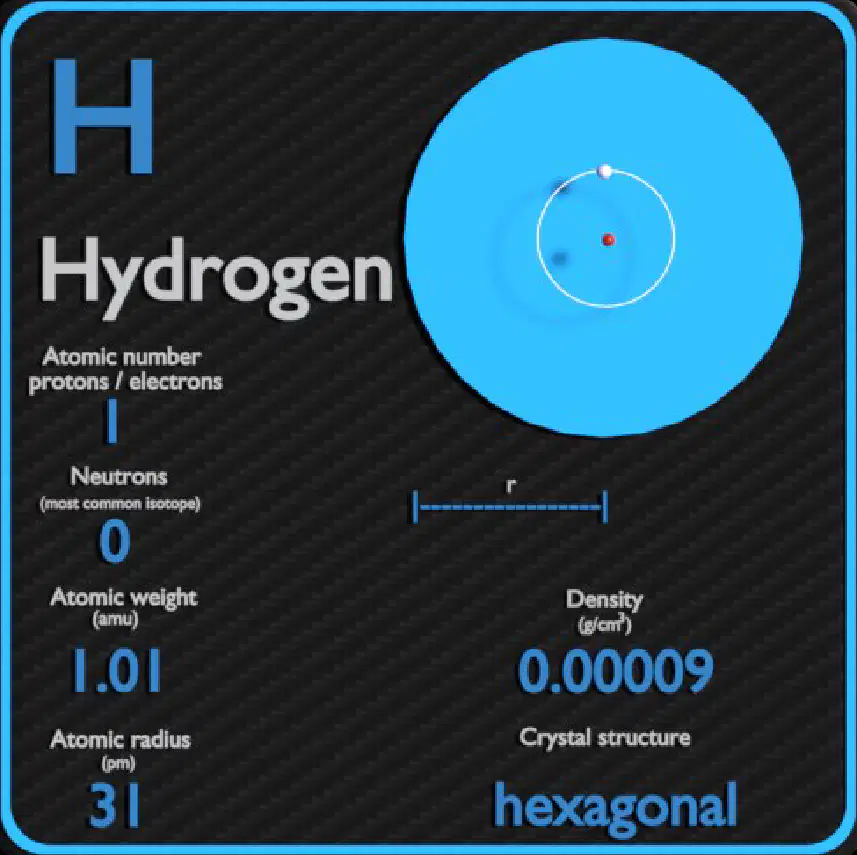
Which statement correctly identifies the atomic composition of the most common hydrogen isotope shown in the diagram?
One proton and one electron only
One proton and one neutron only
One neutron and one electron only
One proton, one neutron, one electron

In stoichiometric combustion, which statement best describes hydrogen’s calorific value relative to methane?
Per unit mass, equal to natural gas overall
Per unit mass, slightly lower than methane
Per unit volume, about one third of methane
Per unit volume, nearly three times methane
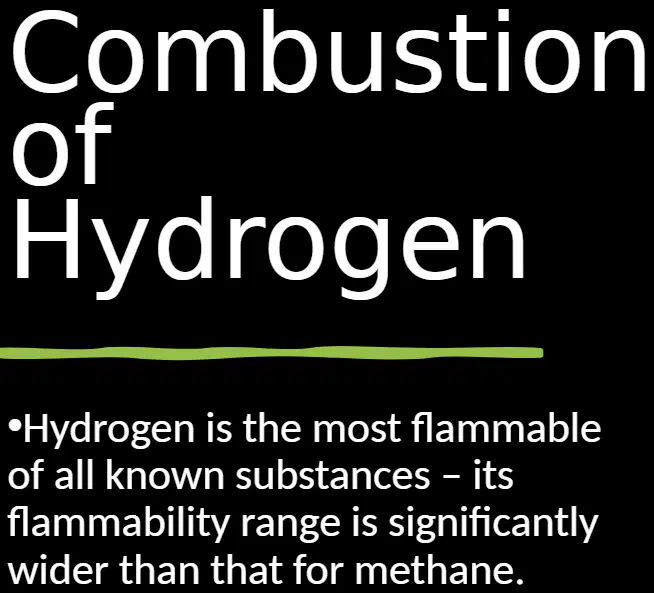
A burner is switched from methane to hydrogen without changing pressure or temperature. Which property change most impacts flame behavior and safety?
Higher minimum ignition energy for hydrogen
Slightly higher Wobbe Number for hydrogen
Lower burning velocity than methane
Much wider flammability range for hydrogen
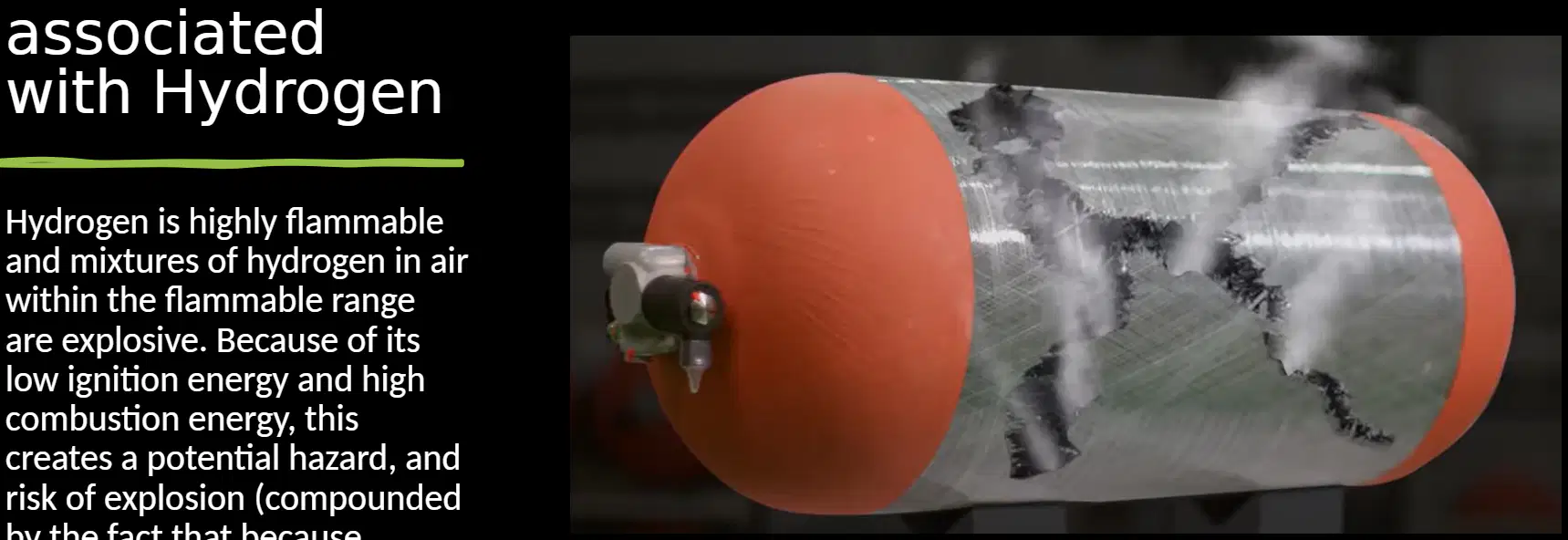
A high‑pressure hydrogen cylinder in a test rig shows jetting through cracks. Which mitigation is most appropriate to reduce explosion risk during storage and handling?
Store cylinders at very low pressure to avoid leaks
Increase ignition energy using larger sparking devices
Implement ventilation and leak detection with rapid shutoff
Use heavier gases to dilute hydrogen during release
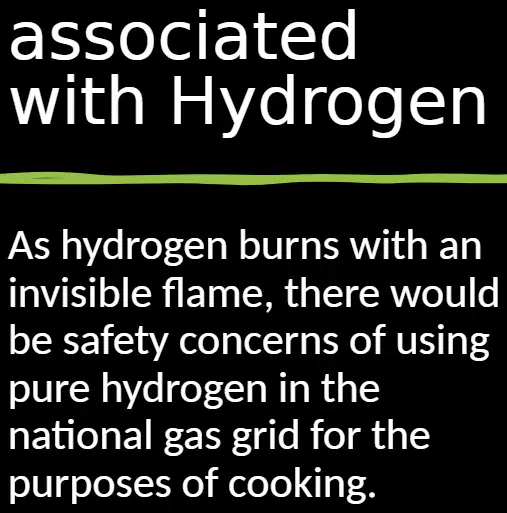
Hydrogen flames pose a unique safety issue during cooking. What characteristic creates this risk?
Heavier-than-air flame behavior
Invisible flame under typical lighting
Lower ignition temperature than methane
Bright yellow flame with soot

Which byproduct category is the focus of safety notes in hydrogen combustion?
Nitrogen oxides formation in air
Lead particulates from piping
Carbon monoxide formation from soot
Sulfur oxides from fuel impurities
Why does methane typically yield less NOx than hydrogen under similar air combustion?
Methane has lower flame speed than hydrogen
Oxygen reacts partly with carbon radicals
Methane burns without forming active oxygen
Methane contains bound nitrogen reducing NOx
Which mechanism initiates thermal NOx formation in high-temperature flames?
Active oxygen atoms reacting with nitrogen
Photochemical reactions with ambient light
Direct hydrogen-nitrogen bonding in fuel
Catalytic oxidation on copper surfaces
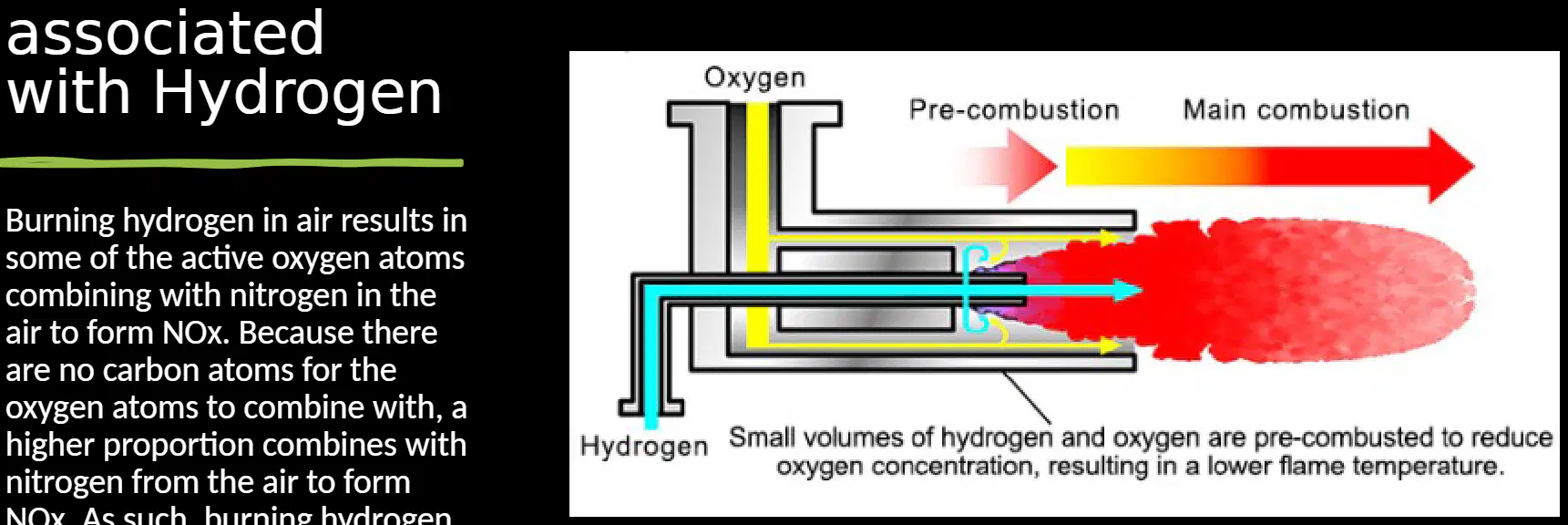
An engineer aims to reduce NOx when burning hydrogen. Which strategy aligns with the diagram?
Lower peak flame temperature via staged combustion
Increase fuel pressure to enhance mixing
Use a blue-rich spectrum optical filter
Add nitrogen to the fuel to dilute flames

Which knowledge check action concludes the module in the final slide?
Email the instructor a summary document
Prepare a group presentation on safety
Submit a lab report on burner design
Complete an online quiz via link or QR

