
 Worksheets
section 6 Introduction to Hydrogen Networks
Total questions: 10
Worksheet time: 5mins

Which combination best describes typical hydrogen network distribution channels required to reach diverse end users?
Pipelines plus road, rail, and marine transport
Only high-voltage electric transmission lines
Dedicated air freight and drone delivery systems
Localized storage without external transport links

Which statement best explains why hydrogen storage is strategically valuable in systems with wind and solar?
It converts hydrogen directly into grid heat
It increases solar panel electrical efficiency rates
It eliminates fluctuations by stabilizing wind speeds
It buffers intermittent generation over long durations
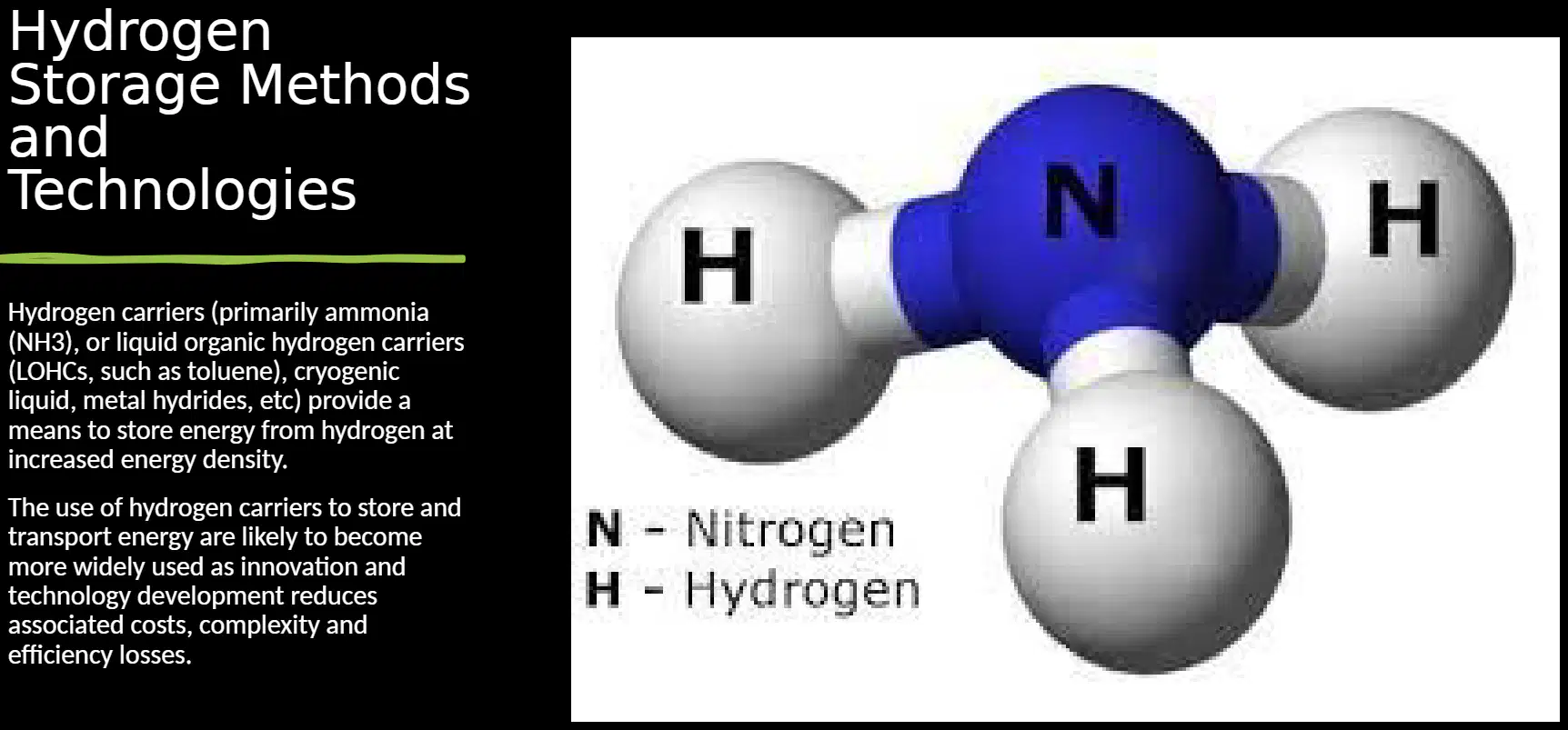
In the context of hydrogen storage, which statement best explains why ammonia (NH3) and liquid organic hydrogen carriers (LOHCs) are used?
They convert hydrogen directly into electrical energy
They increase energy density for storage and transport
They decrease hydrogen’s chemical reactivity in pipelines
They eliminate the need for cryogenic equipment entirely
What is the main purpose of H21 projects regarding hydrogen transport?
To export hydrogen to international markets
To market hydrogen appliances to households
To build evidence for dedicated hydrogen pipelines
To replace all gas meters with smart meters

Which body will assess findings from H21 projects to inform residential sector decisions?
National Grid operations
Local authorities consortium
Health and Safety Executive
Department for Energy Security

FutureGrid aims to create what kind of network for hydrogen?
A low-pressure storage network
A domestic appliance network
A commercial retail network
A representative transmission network

FutureGrid will be built from which assets to enable testing?
A range of decommissioned transmission assets
Newly manufactured plastic mains
Underground hydrogen caverns
Active high-pressure pipelines in service

Future Billing Methodology explores options to prepare for what change?
Dynamic pricing for electricity tariffs
Privatisation of gas network operators
Potential changes to gas blends in the grid
Complete electrification of heating systems

Gas billing methodologies must reflect differences in which property among gases?
Pipeline roughness coefficients
Calorific value between methane biomethane hydrogen
Compressor station efficiency
Molecular weight of the gases

Which programme started in 2002 to reduce risks by replacing iron mains?
Pipeline Integrity Monitoring Initiative
Hydrogen Home Conversion Scheme
Iron Mains Risk Reduction Programme
FutureGrid demonstration programme

