
 Worksheets
Introduction to Hydrogen HSE Frameworks
Total questions: 10
Worksheet time: 5mins
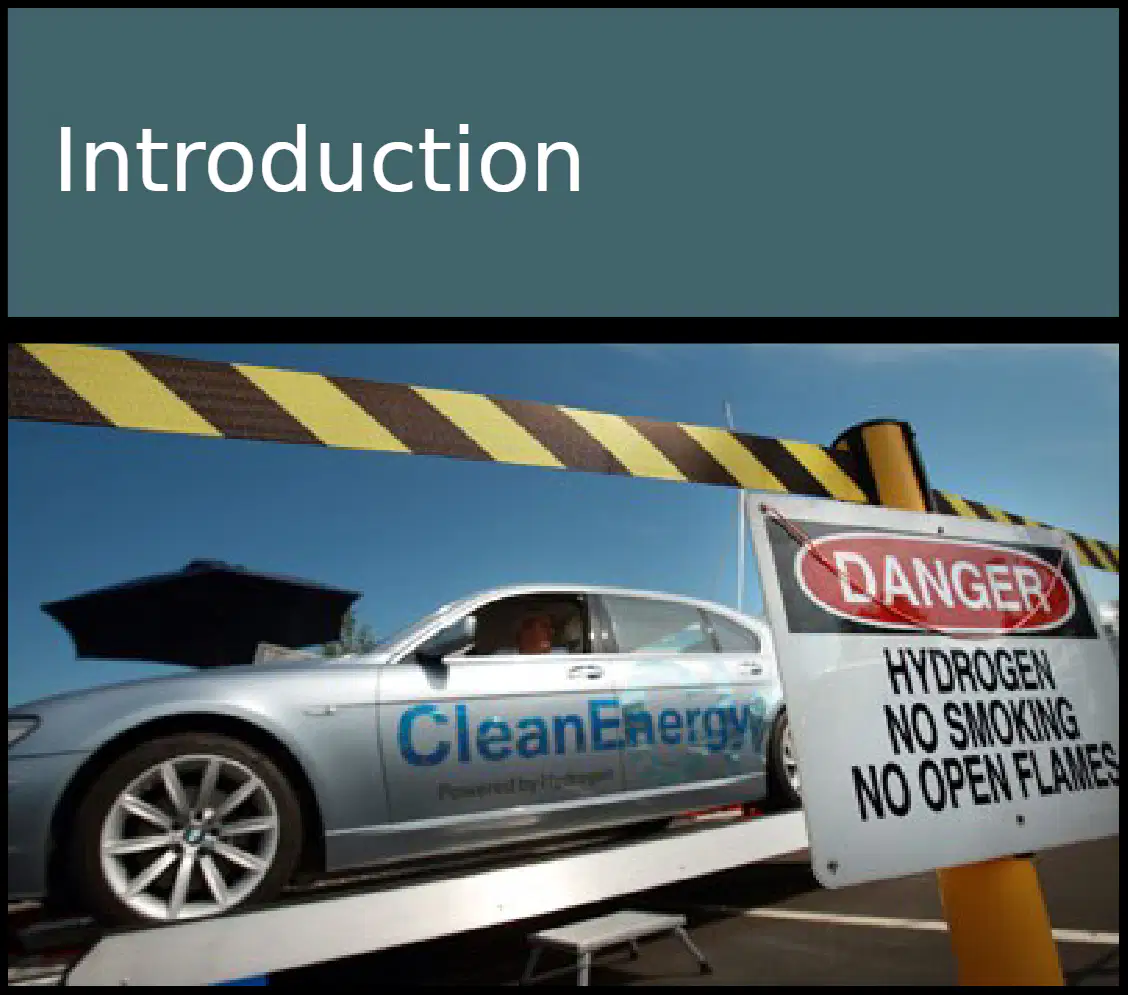
Which statement best describes the primary aim of UK HSE legislation, standards, and ACOPs in the hydrogen sector, as shown in the slide?
Minimise risk and protect workers and public
Increase productivity and reduce project costs
Promote hydrogen sales and market adoption
Centralise permits under a single regulator
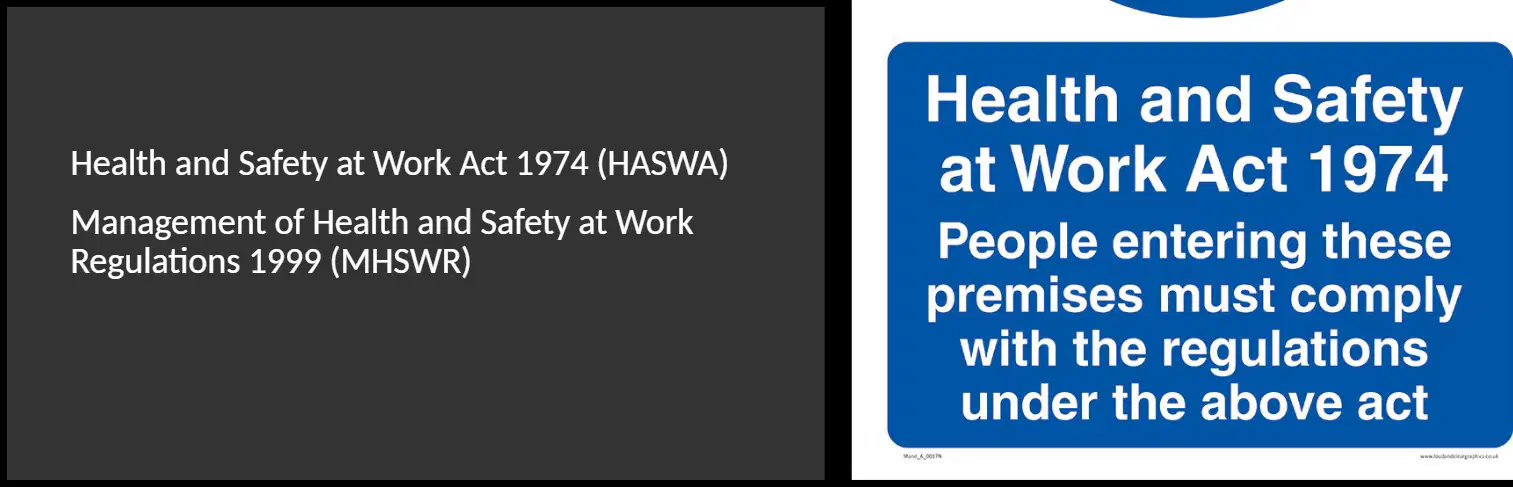
Which UK law sets the overarching duties for employers and employees to ensure health, safety, and welfare at work?
Control of Substances Hazardous to Health Regulations
Management of Health and Safety at Work Regulations 1999
Health and Safety at Work Act 1974
Reporting of Injuries, Diseases and Dangerous Occurrences Regulations
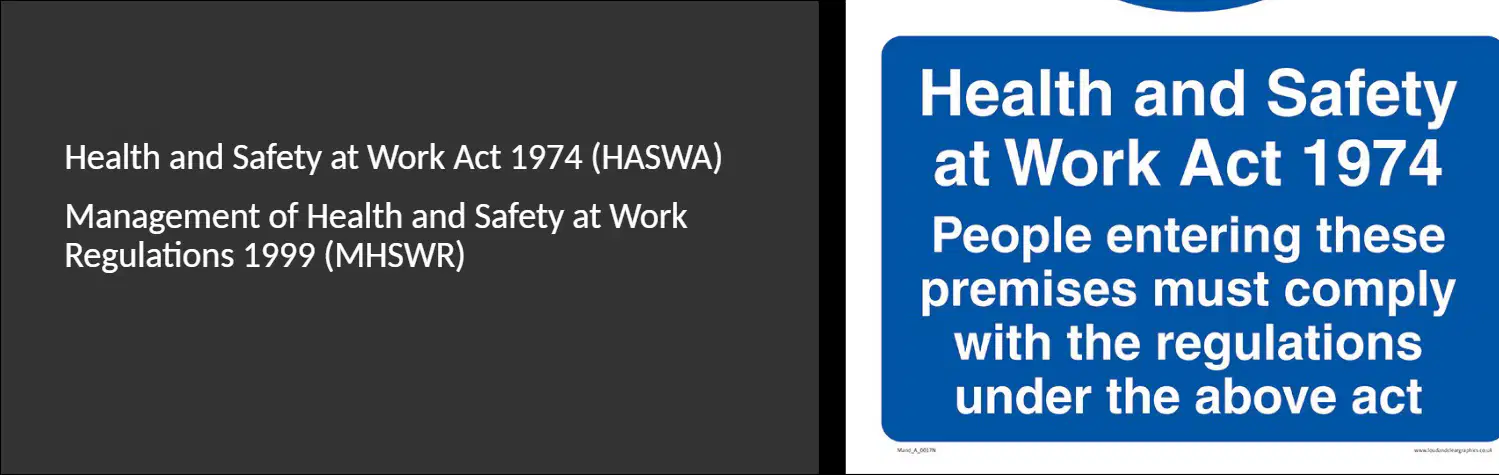
A manufacturing firm is revising its risk assessment process. Which regulation specifically requires employers to assess risks and implement preventive measures?
Personal Protective Equipment at Work Regulations
Provision and Use of Work Equipment Regulations
Management of Health and Safety at Work Regulations 1999
Health and Safety at Work Act 1974

Which regulation specifically addresses dangerous substances and explosive atmospheres in UK industry?
Pressure Systems Safety Regulations 2000
Dangerous Substances and Explosive Atmospheres Regulations 2002
Gas Safety (Management) Regulations 1996
Pipeline Safety Regulations 1996

An installation handling flammable fluids requires area classification guidance. Which standard provides this code?
Energy Institute IP15 area classification code
BSI PAS for pressure systems
BS EN 60079-10:2003 electrical apparatus classification
IGEM IGE/SR/25 hazardous area classification

A natural gas installation needs hazardous area classification. Which professional standard is most directly applicable?
IGEM IGE/SR/25 classification of natural gas installations
BS EN 60079-10 classification of hazardous areas
Gas Safety (Management) Regulations 1996 requirements
Pressure Systems Safety Regulations 2000 provisions
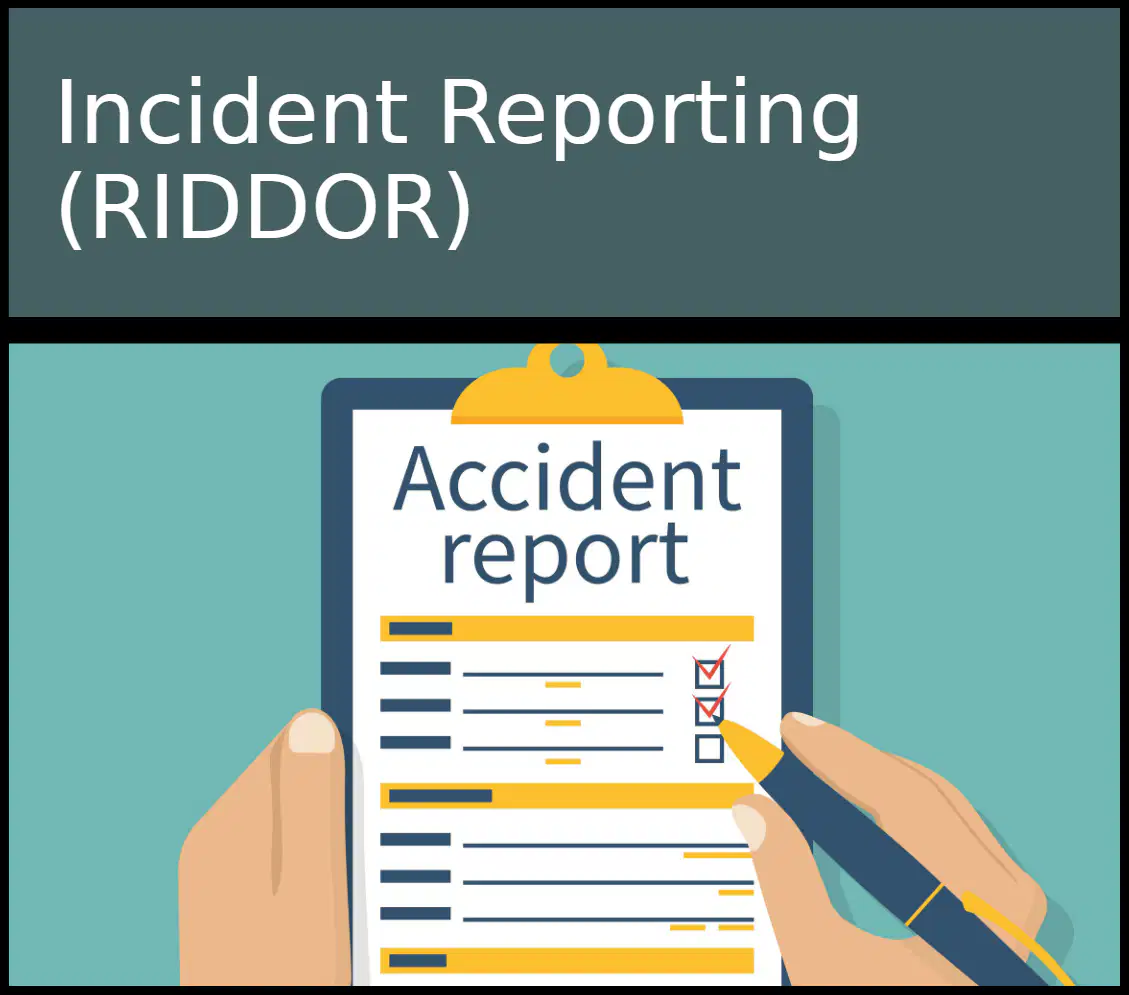
Under RIDDOR 2013, who is obligated to report specified workplace accidents and dangerous occurrences?
Any employee witnessing an unsafe act
Union representatives and safety auditors
Employers, self‑employed, and Responsible Persons
Only company directors and HR managers

Which outcome connected to a flammable gas triggers mandatory reporting by those distributing or supplying it?
Minor first‑aid treatment on site
Temporary equipment shutdown only
Routine maintenance scheduling
Loss of consciousness or hospital treatment

A registered gas engineer must submit details of appliances considered dangerous when the risk could lead to what?
Higher fuel costs for consumers
Noise complaints from nearby residents
Death, loss of consciousness, or hospital treatment
Delayed deliveries and supply shortages

Which condition would justify a gas engineer’s report under RIDDOR for an appliance or fitting?
Certified installation by a senior engineer
Accidental leakage of gas from fittings
Complete removal of combustion products
Normal combustion with blue flames

