
 Worksheets
section 3 Characteristics of Hydrogen (Physical and Chemical
Total questions: 10
Worksheet time: 5mins
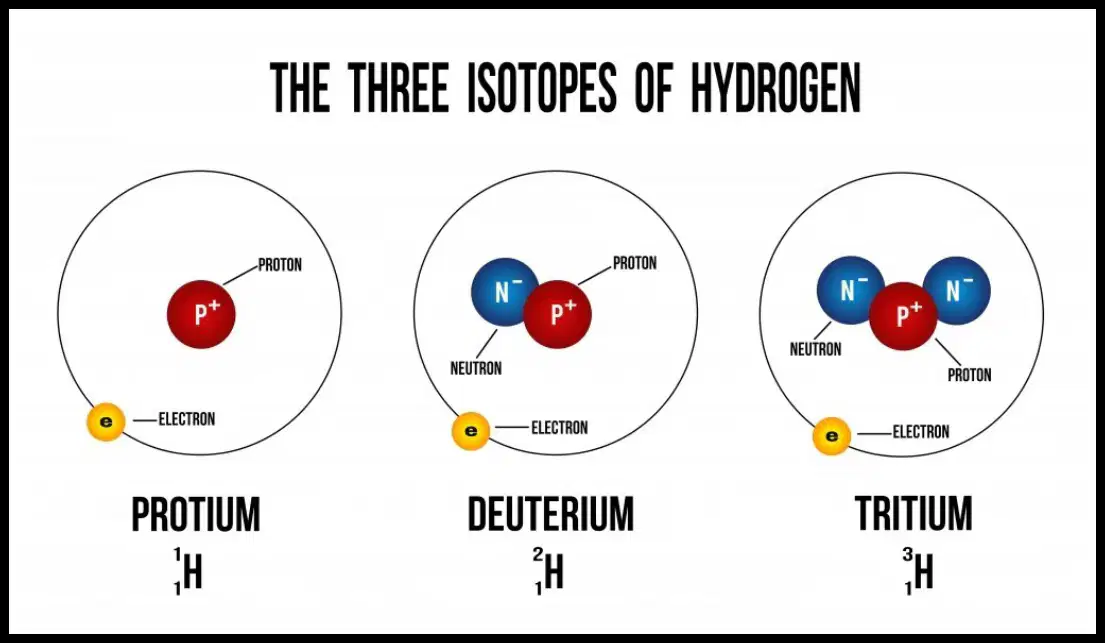
Using the three isotope diagrams, which isotope has one proton, one neutron, and one electron?
Tritium with mass number 3
Protium with mass number 1
Protium with mass number 0
Deuterium with mass number 2

A pipeline carrying hydrogen requires leak management. Which property combination most increases hydrogen’s tendency to leak through joints and seals?
High density and high viscosity
Low density and high viscosity
Low density and low viscosity
High density and low viscosity
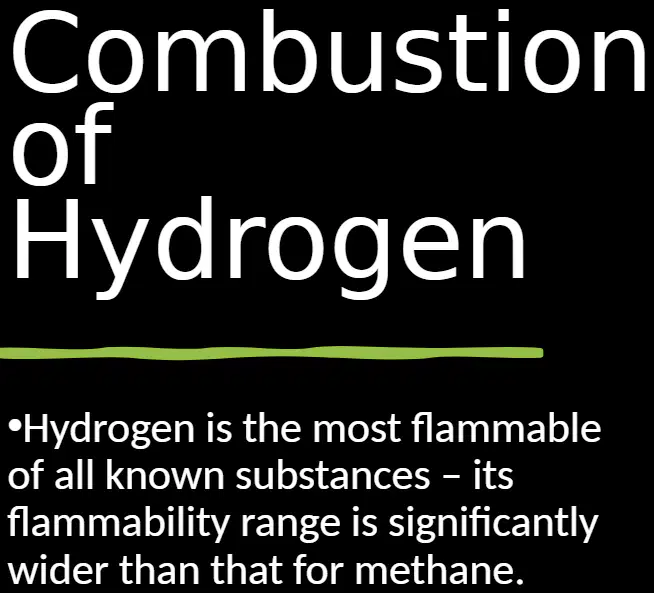
What is the approximate Wobbe Number for hydrogen?
About 45.89 MJ per cubic meter
About 58.00 MJ per cubic meter
About 35.00 MJ per cubic meter
About 10% higher than natural gas

What is the minimum ignition energy of hydrogen under near-stoichiometric conditions?
Approximately 0.02 millijoules
Approximately 2.0 millijoules
Approximately 20 millijoules
Approximately 0.20 millijoules

Why does hydrogen’s minimum ignition energy vary with concentration in air?
Mixture composition influences reaction kinetics
Calorific value per mass fixes ignition energy
Pressure alone determines energy threshold
Wobbe Number controls spark requirements
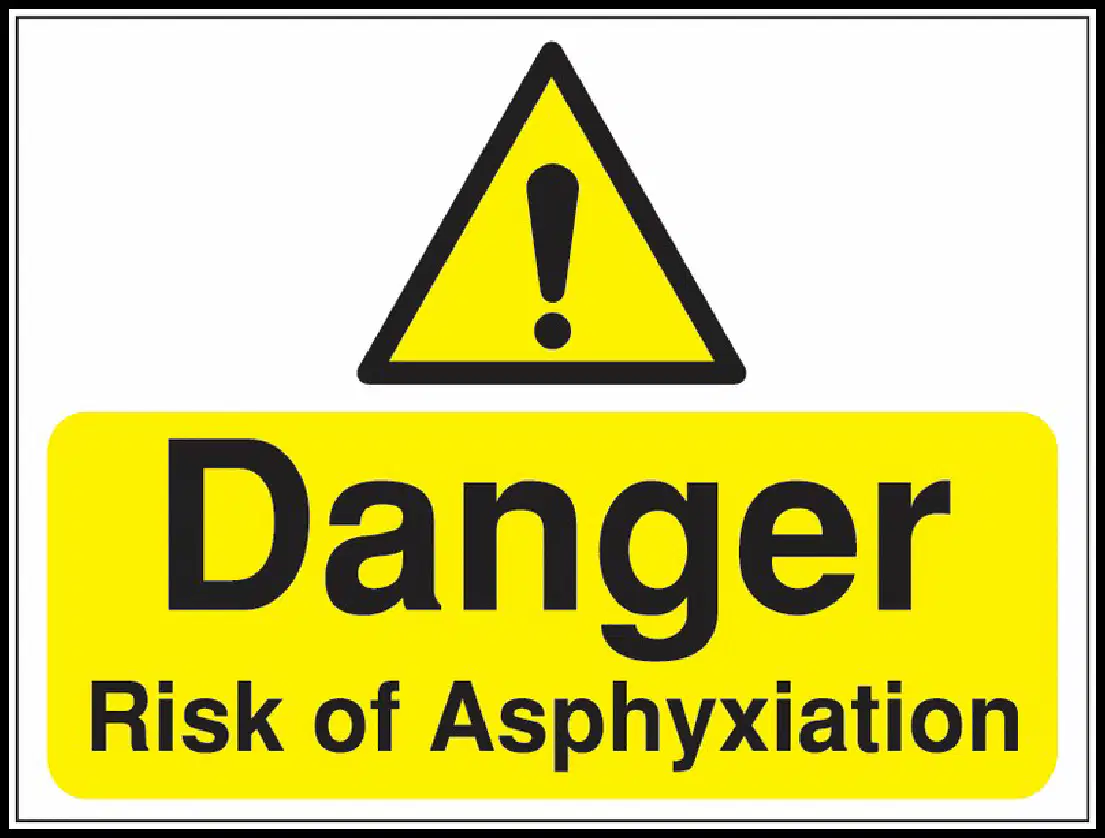
A leak in an enclosed lab causes hydrogen to displace air near the ceiling. Which immediate hazard is most likely for personnel before any ignition occurs?
Asphyxiation due to oxygen displacement
Acute NOx inhalation from combustion
Chemical toxicity causing organ damage
Corrosive burns from reactive hydrogen
A steel pipeline carrying hydrogen develops cracks under stress over time. What engineering mechanism most likely caused the failure?
Thermal fatigue from repeated heating cycles
Electrochemical corrosion by acidic condensate
Hydrogen embrittlement reducing metal toughness
Creep deformation under constant high temperature

Compared with methane, burning hydrogen in air can produce approximately how much more NOx?
About the same amount
Up to six times more
Half as much
Twice as much

Which combustion byproduct is emphasized as a safety consideration in hydrogen-fired appliances?
Nitrogen oxides (NOx) emissions
Sulfur dioxide (SO2) emissions
Particulate matter (PM) emissions
Carbon monoxide (CO) emissions
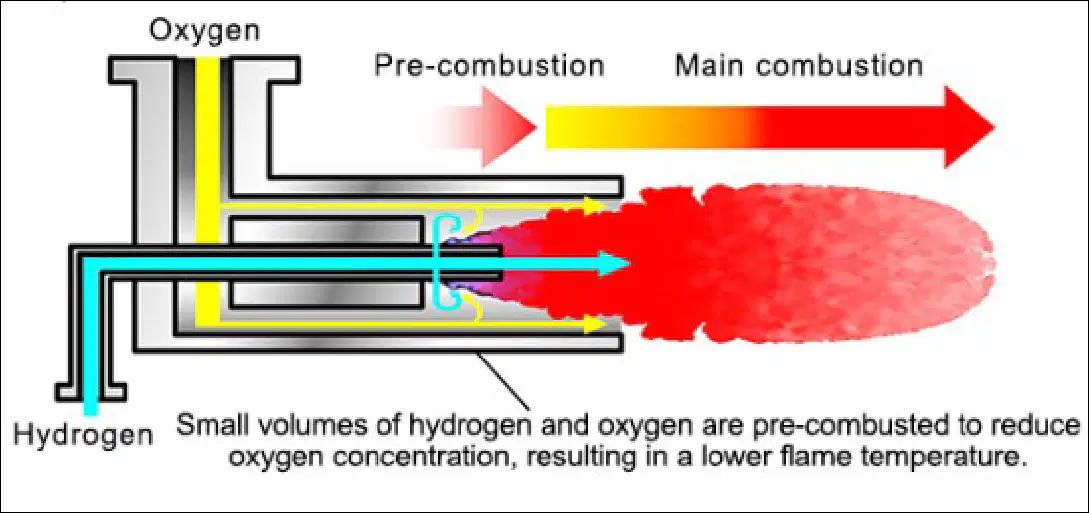
What mechanism primarily drives thermal NOx formation in hydrogen-air flames?
High flame temperatures accelerate N–O formation
Low flame temperatures inhibit nitrogen bonding
Carbon radicals capture reactive nitrogen
Water vapor suppresses oxygen dissociation

