
 Worksheets
section 8 Introduction & General HSE Legislation
Total questions: 10
Worksheet time: 5mins

Which UK legislation places a general duty on employers to ensure the health and safety of employees and the public in hydrogen operations?
Approved Codes of Practice for Hydrogen
Health and Safety at Work Act 1974
Environmental Protection Act 1990
Management of Health and Safety Regulations 1999

A company planning a hydrogen project needs to structure its risk management. Which option best describes how ACOPs and the Management of Health and Safety at Work Regulations 1999 work together?
Regulations require risk assessment; ACOPs give practical guidance
ACOPs mandate risk assessment; Regulations suggest examples
Regulations only apply to manufacturing; ACOPs to transport
ACOPs replace legislation for hydrogen-specific projects
Which regulation specifically addresses hazards from flammable gases and explosive atmospheres in UK workplaces?
Dangerous Substances and Explosive Atmospheres Regulations 2002
Pressure System Safety Regulations 2000
Pipeline Safety Regulations 1996
Gas Safety (Management) Regulations 1996

A high‑pressure hydrogen storage vessel at a plant must be inspected and certified. Which regulation primarily governs its integrity management?
BS EN 60079‑10:2003 standard
Energy Institute IP15 code
Health and Safety at Work Act 1974
Pressure System Safety Regulations 2000
BS EN 60079‑10:2003 provides guidance mainly for which engineering activity?
Classification of hazardous gas areas
Design of offshore emergency response plans
Integrity testing of pressure vessels
Licensing requirements for pipeline routing
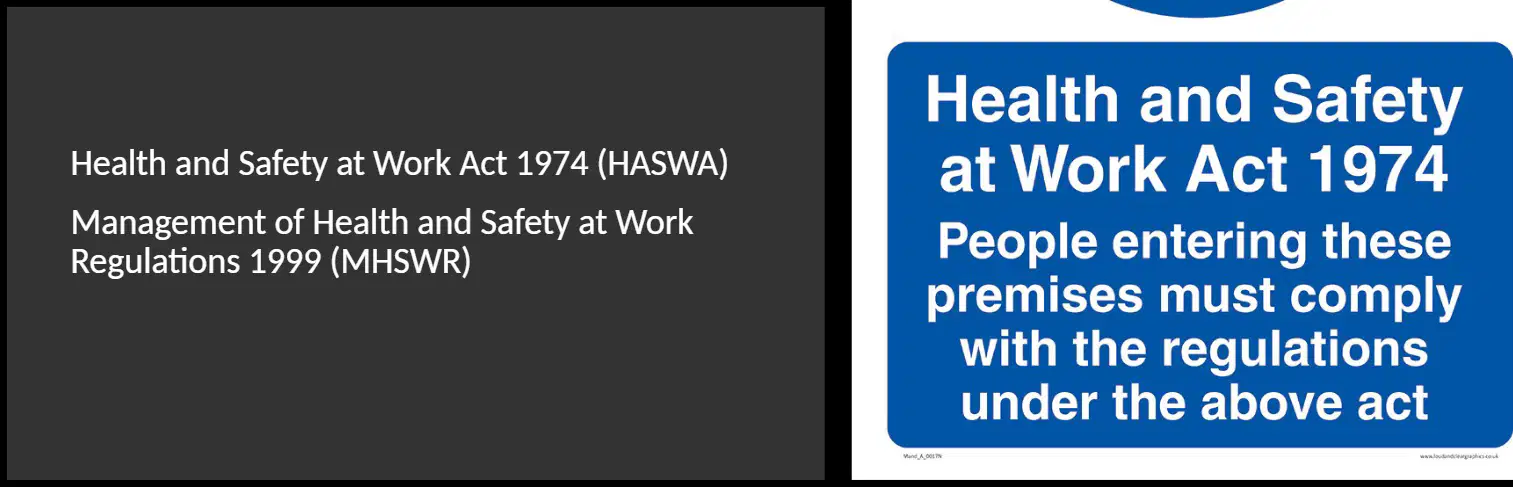
Which act sets overarching duties for employers and those entering premises to comply with safety requirements?
Gas Safety (Management) Regulations 1996
Offshore Installations Regulations 1995
Health and Safety at Work Act 1974
Management of Health and Safety at Work Regulations 1999

Under RIDDOR 2013, who holds the legal duty to report serious workplace accidents and specified dangerous occurrences?
Frontline employees only
External auditors and insurers
Employers and the Responsible Person
Only company directors

Which outcome linked to a flammable gas incident triggers mandatory reporting by those distributing or supplying the gas?
Routine maintenance activity
Loss of consciousness or hospital treatment
Any equipment malfunction
Minor property damage only

A Gas Safe Register engineer finds an appliance with design faults posing risk of incomplete combustion. What must the engineer do?
Ignore unless the client requests
Report details because the appliance is dangerous
Wait until a fatality occurs
Notify only the manufacturer informally

Which hazard example falls within engineers’ reporting responsibilities when an appliance is dangerous?
Slightly noisy fan
Excessive paint on casing
Accidental leakage of gas
Loose decorative trim

