
 Worksheets
CA3 review
Total questions: 41
Worksheet time: 34mins
Which material would BEST allow electricity to flow through it?
Plastic spoon
Rubber band
Metal paper clip
Which object is a conductor of electricity?
Aluminum foil
Wooden ruler
Glass cup
Which material is an insulator that would NOT allow electricity to flow easily?
Metal nail
Plastic cup
Copper wire
Which material is a conductor of electricity?
Copper wire
Rubber band
Plastic spoon
In which mixture do all the components maintain their physical state?

Salt dissolved in water
Salt dissolved in water

Sugar dissolved in tea
Sugar dissolved in tea

Sand mixed with iron filings
Sand mixed with iron filings
Which mixture shows that all components keep their physical state?

Air
Air

Trail Mix
Trail Mix

Lemonade
Lemonade

What happens to a balloon when the air is allowed to escape?
It drops straight down to the groundballoball
It stays still because the string holds it in place
It moves along the string away from the direction the air is released
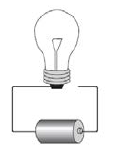

The circuit does not work. Which procedure would most likely allow the bulbs to light?
Close the switch.
Remove Wire 1.
Remove Wire 6.
Remove a battery.

How many bell(s) would ring if Wire X were removed?
0
1
2
3
4

All the lightbulbs in this circuit are lit. How many would remain lit if Wire 5 were removed?
1
2
3

All the bells in this circuit are ringing. Which bell(s) would ring if Wire X were removed?
Choose all that apply.
A
B
C
D
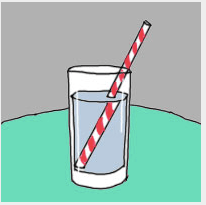
Jackson and Nora are observing a straw in a glass of water. Why does the straw appear to be bent?
light is reflected
light is absorbed
light is turned
light is refracted
Maya is observing how light travels through different materials. What do we call a material that light can travel through?
air
water
medium
pathway
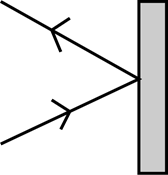
Elijah is playing with a mirror and a flashlight.
In the illustration, the light ray striking the mirror is-
absorbed
stopped
reflected
refracted
Liam noticed that when he shines a flashlight on a mirror, the light...
Bends
Bounces
Absorbs
transmits

Zoe is looking at a lake and sees her reflection. What is happening in this picture?
Reflection
Refraction

Ava is looking at a straw in a glass of water. What is happening to the appearance of the straw?
Reflection
Refraction

Kai often uses a hand lens to make small insects appear larger. A hand lens makes objects appear larger because the lens-
increases the light’s strength
changes the color of the light
bends light passing through it
converts light energy to heat


How are sand dunes formed?
Wind + deposition
Rivers freeze and break rocks apart
Earthquakes push sand upward
How does a delta form at the mouth of a river?
Wind blows sand into piles
Water deposits sediment as the river slows down
Lava cools and hardens near the ocean
What process forms U-shaped valleys?
Wind erosion in deserts
Ocean waves crashing against cliffs
Glaciers slowly moving and carving the land
How are most canyons formed?
Rivers cutting into land over long periods of time
Glaciers pushing rocks aside
Volcanic eruptions creating deep cracks
How are sand dunes formed through erosion and deposition?
Wind erosion moves sand, and deposition drops it in piles
Water erosion dissolves sand, and deposition hardens it
Ice erosion freezes sand, and deposition melts it
Which statement best explains how erosion and deposition form a delta?
Wind erodes rock and deposits sand in deserts
A river erodes sediment upstream and deposition occurs when the river slows near the ocean
Glaciers erode land and deposit ice
How does erosion contribute to the formation of U-shaped valleys?
Wind erosion piles up sediment through deposition
River deposition builds up land in narrow channels
Glacier erosion scrapes and widens the land as it moves
How do erosion and deposition affect the formation of canyons?
Wind deposition fills in deep cracks
River erosion cuts deep into the land, carrying sediment away
Deposition creates steep canyon walls
_______________ when wind, water, plants, animals and temperature breaks down rock.
Weathering
Erosion
Deposition
_______________ is the laying down or settling of broken down rock.
Weathering
Erosion
Deposition
_______________ when soil, sand, or rocks are moved from one place to another.
Weathering
Erosion
Deposition

What is the process that picks up and moves weathered rocks?
Erosion
Landslide
Weathering
Meteorización
Why are fossil fuels found deeper underground usually older than those found closer to the surface?
Older fossil fuels were buried first and covered by layers of sediment over time
Fossil fuels move downward through the soil as they age
New fossil fuels form only near Earth’s surface
Which sequence correctly shows the steps in the formation of fossil fuels?
Dead plants and animals → heat and pressure → layers of sediment over time
Dead plants and animals → buried by sediment → heat and pressure over millions of years
Lava covers plants → cooling → fossil fuels form

