
 Worksheets
The Constitution to the Mid of the 1790s
Total questions: 108
Worksheet time: 4hrs 42mins
The first president of the United States
Thomas Jefferson
Joe Biden
George Washington
Alexander Hamilton
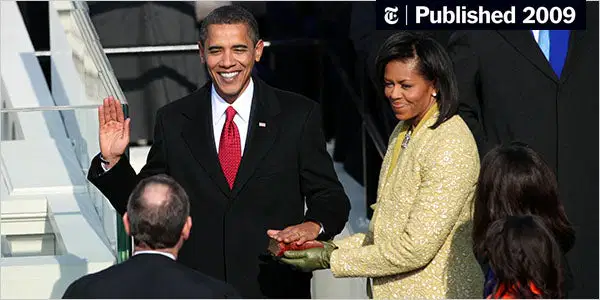
To be sworn in as president
precedent
hired
inaugurated
fired
Congress chose this title for the president
Your Highness
Mr. President
His Majesty
Uncle Sam
A tax on imported goods
interest
fine
tariff
price
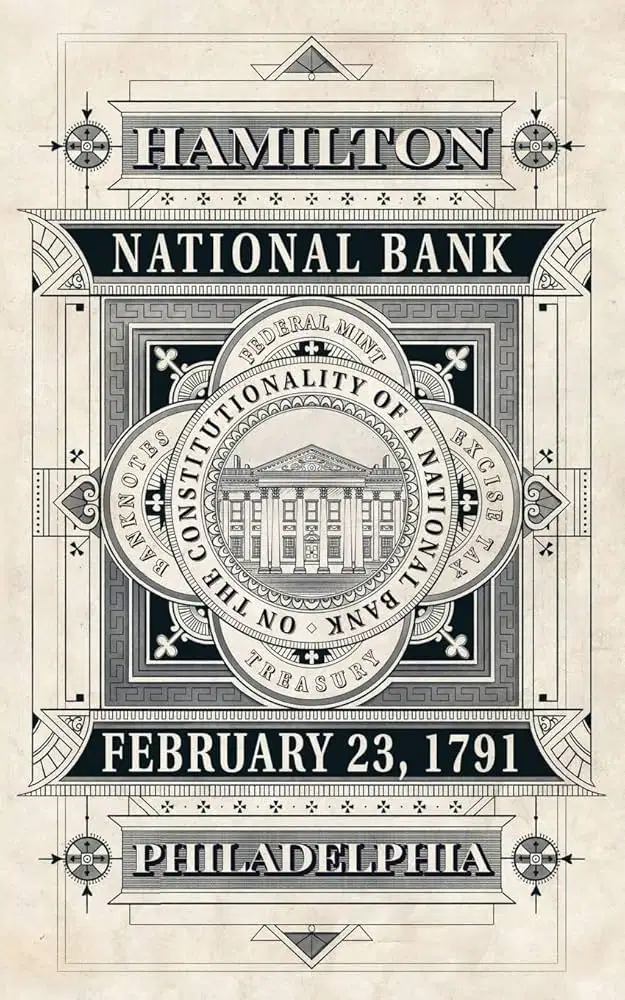
Wanted to create a National Bank
Alexander Hamilton
Thomas Jefferson

In 1794 a group of farmers in western Pennsylvania rebelled against the tax on whiskey.
The Whiskey Rebellion
The Battle of Fallen Timbers
The Boston Tea Party
The French Revolution
What did George Washington and Alexander Hamilton insist on Congress establishing to allow America to economically function in the early days of the constitutional government?
a trade tariff
a constitution
a national bank
a stock market
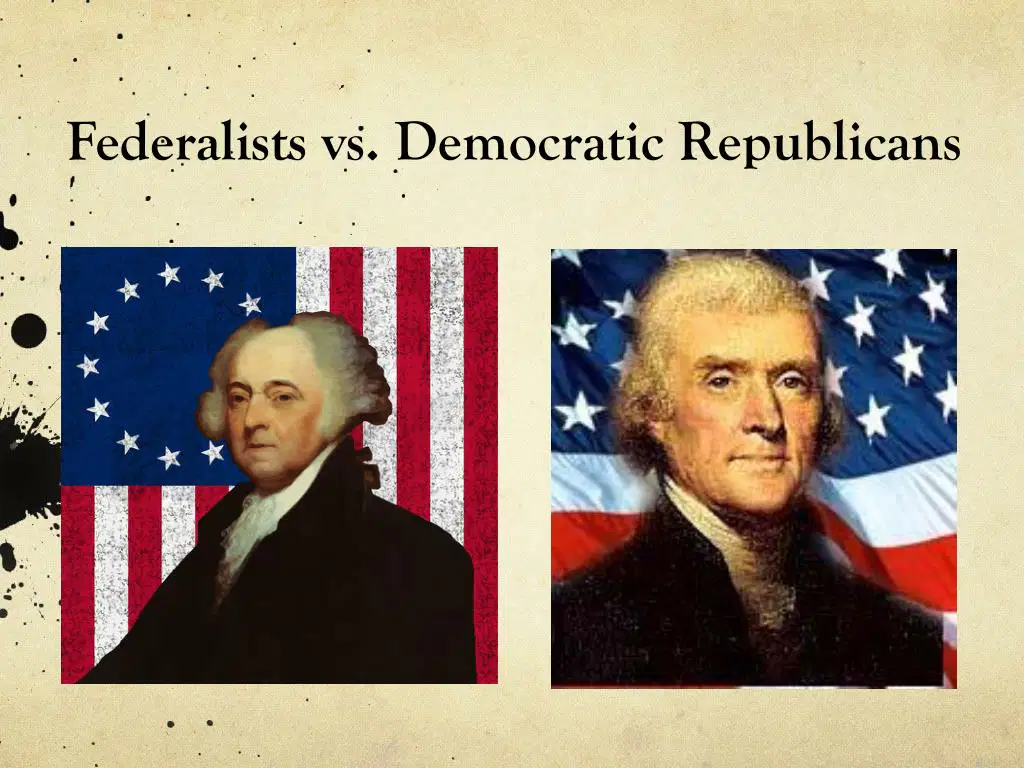
Which did George Washington consider a 'grave danger' to the new nation?
national taxes
political parties
westward settlement
electoral college voting system
What compromise settled the Financial Crisis
The Great Compromise
The 3/5 Compromise
Hamilton gets his financial plan, South gets the capital.
What was George Washington’s advice in the Farewell Address (1796)?
Stay neutral in foreign affairs
Always choose a side in foreign affairs
What was George Washington’s advice in the Farewell Address (1796)?
Avoid political parties
Political Parties will benefit the country
Which of the following precedents did Washington establish? CHOOSE TWO
Presidential Cabinet
Two (2) terms, Four (4) years each
Political Parties
George Washington believed that Political Parties were....
Dangerous to the country
Improve the Nation
Overpower State Governments
Create a National Bank

When George Washington first ran for president, who was his opponent?
Samuel Adams
John Adams
Thomas Jefferson
Nobody
This was a protest by farmers in western Pennsylvania against the Whiskey tax. Washington’s response (12,000 soldiers strong), showed the power of the new federal government.
Neutrality Proclamation
Freedom Speech
Farewell Address
Whiskey Rebellion
constitution
a statement of independence from a colonial power
a written plan that provides the basic framework of a government
an agreement between two nations at the end of a conflict
an informal agreement between two groups of people concerning a land boundary
President of the Constitutional Convention
James Madison
Ben Franklin
George Washington
Thomas Jefferson
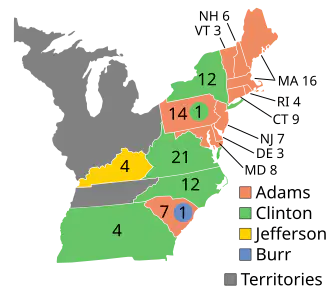
electoral college
a university established by the constitutional convention to educate political candidates
group of electors, chosen by state governors, that votes for president
name given to delegates to the Constitutional Convention
group of electors, chosen by each state based on population, that votes for president
ratify
to formally approve a plan or an agreement
to edit a legal document based on the Constitution
to protest the adoption of a new
Constitution
to come to agreement with a person in opposition
a country governed by elected representatives
theocracy
nation-state
commonwealth
republic
Americans who supported ratification of the Constitution were called...
Federalists
Anti-Federalists
Constitutionalists
Constructionists
People who were against ratification of the Constitution because they thought it gave too much power to the central government were called...
Federalists
Anti-Federalists
Non-Constitutionalists
Confederationists
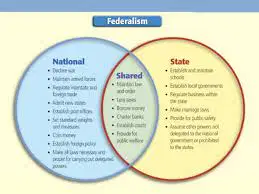
Federalism
Power is divided between three branches of government
Power is concentrated in the executive branch
Power is concentrated in the central government
Power is shared between states and the central government
The first written plan of government for the United States was called _______________________.
Articles of Confederation
The Constitutional Convention
The Federalist Papers
The Great Compromise
A written plan that provides the basic framework of a government.
A Resolution
The Fundamental Orders
An Amendement
A Constitution
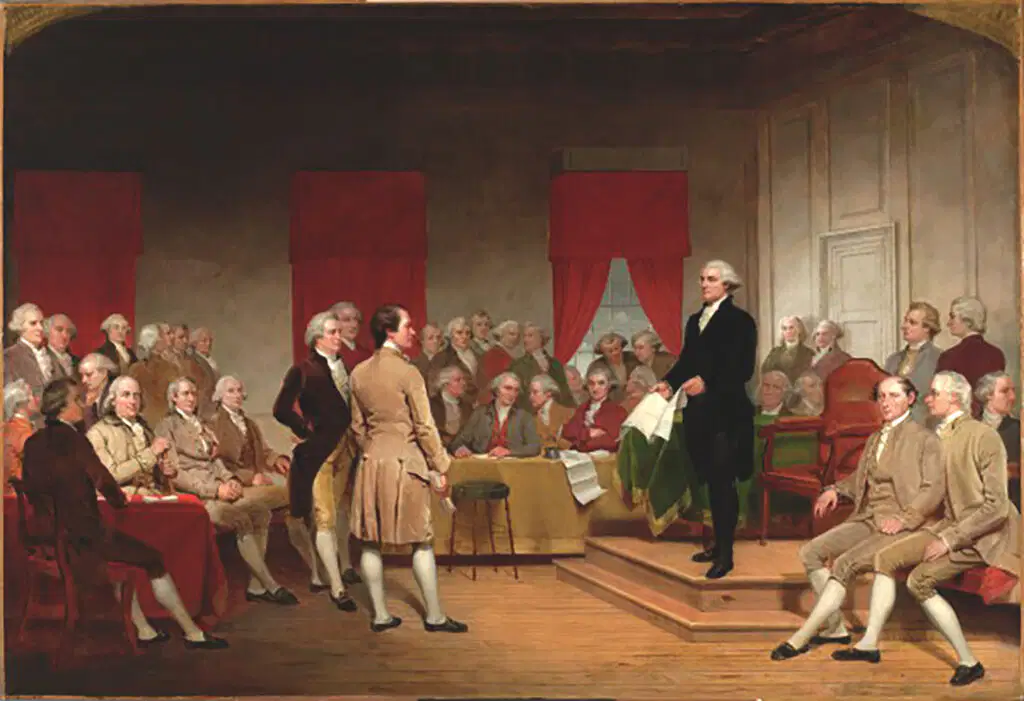
A meeting held in Philadelphia in 1787 at which delegates from the states wrote the U.S. Constitution.
Congress
Constitutional Convention
First Continental Congress
The Northwest Ordinance
The plan of government adopted at the Constitutional Convention that established a two-house Congress. In the House of Representatives, representation from each state is based on state population. In the Senate, each state is represented by two senators.
The Great Compromise
The Three-Fifths Compromise
The Federalist Papers
The Articles of Confederation
To formally approve a plan or an agreement. The process of approval is called ratification.
Enlightenment
Republic
Ratify
Electoral College
An agreement made at the Constitutional Convention stating that enslaved persons would be counted as three-fifths a person when determining a state's population for representation in the House of Representatives.
The Great Compromise
The Articles of Confederation
The Three-Fifths Compromise
The Federalist Papers
What was the reason delegates met in Philadelphia?
revise the Articles of Confederation
Write the Declaration of Independence
Write the US Constitution
When considering representation in Congress, which option did small states favor?
Every state have an equal representation.
Representation be based on population.
Which Compromise resolved how states shall be represented in the new form of government?
Electoral College
The Great Compromise
The three-fifths Compromise.
Which option is NOT apart of the Great Compromise.
Congress will have a Upper House and Lower House
There will be Three Branches of Government
Congress will be based only on population
Senate will have equal representation from all states.
People who believe in a strong national government were called?
Anti- Federalists
Federalists
What was a typical reason why some delegated did not sign the Constitution? (Select all that apply)
They thought ratification would take too long.
They believed in a strong national government.
They believed that the Constitution weakened the states
There was no bill of rights


What event reflected the weaknesses of the Articles of Confederation?
Daniel Shay's rebellion and the lack of a strong central military force.
The division of states and federal perspectives during the Civil War.
The negligence of Congress involvement.
The beginning of the War of 1812.
What is The Great Compromise?
Representation based on a states population.
Representation based on equality.
Representation based on nomination.
Representation based on appointment.
Although delegates had many disputes, they agreed on the following
An executive branch to enforce laws.
A monarchial branch to rule the nation.
A legislative branch to create laws.
A judicial branch to interpret laws.
According to the 3/5ths Compromise
Population was allowed to move west of the Mississippi.
Enslaved people would count as 3/5ths of the overall population towards representations
3/5ths of the Native Population was displaced.
3/5ths of a farmers salary would be taxed.
Supported of the Constitution are often referred as
Constituents
Parliaments
Federalists
Socialists

Those opposed to the Constitution were known as
Federalists
Socialists
Anti-Communists
Anti-Federalists
Rights of the people was a point of concern upon approval of the Constitution.
True
False
The Federalist Papers intended to
Convince voters to approve the Constitution
Convince Congress to enforce the Constitution.
Convince the Executive Branch to create a Federal Government.
Convince the public of the horrors of the Constitution.
The president is part of this branch.
Judicial
Executive
Legislative
Bananas
Branch of government that makes laws
Judicial
Executive
Legislative
Peaches
The Supreme Court is part of this branch of government.
Judicial
Executive
Legislative
Starfruit
This is when the president rejects a proposal for a law/bill.
veto
impeachment
military
unconstitutional
The Supreme Court can declare that a law is...
veto
impeachment
military
unconstitutional
When someone is removed from power.
veto
impeachment
military
unconstitutional
This group can approve the president's Supreme Court nomination
Congress
The President
Supreme Court Justices
Military
This president can appoint these on the Supreme Court
Congress
The President
Supreme Court Justices
Military
How can a bill become a law, even if the president vetoes it?
Two-thirds of Congress approves the bill
They vote the executive order unconstitutional
The president makes changes to the bill
Congress makes changes to the bill
What is a way the judicial branch checks the executive branch?
The president appoints Supreme Court justices
The vice-president is the president of the Senate and becomes the deciding vote in the case of tie in the Senate.
The president appoints the Supreme Court justices and other officials, but the Congress has to approve them.
The president can veto a bill approved by Congress.
This branch can override a presidential veto.
Legislative
Executive
Judicial
This branch can impeach a president or judge.
Legislative
Executive
Judicial
This branch confirms all appointments to the Supreme Court.
Legislative
Executive
Judicial
This branch can declare legislation unconstitutional.
Legislative
Executive
Judicial
This branch can veto legislation.
Legislative
Executive
Judicial

What branch is having its power checked when...
Congress overrides a President's veto?
Legislative Branch
Executive Branch
Judicial Branch

What branch is having its power checked when...
Congress impeaches a president?
Legislative Branch
Executive Branch
Judicial Branch

What branch is having its power checked when...
Congress impeaches a judge?
Legislative Branch
Executive Branch
Judicial Branch
With regard to the US government, what is the meaning of the phrase "checks and balances"?
The principle that the national government can check the power of the state government and the state governments can limit the exercise of power by the national government.
The idea that each of the three branches of government can limit the exercise of power by the other 2 branches.
The idea that each branch of the federal government has the same powers as the other 2 branches.
The principle that the President must balance the power given to the other two branches.
Match the correct "checks" each branch has over the other.
Executive over Legislative: Vetoes Legislation
True
False
Match the correct "checks" each branch has over the other.
Judicial over Legislative: Declares laws unconstitutional
True
False
Which basic principle of the Constitution of the United States prevents any one branch from gaining too much power?
Checks and balances
Rule of law
Representative Government
Popular sovereignty

8.15(D) Which government principle is illustrated in the diagram?
Federalism
Popular Sovereignty
Republicanism
Separation of Powers

Which constitutional principle created the three branches of government?

Which constitutional principle does the following picture represent?
checks and balances
popular sovereignty
limited government
federalism

The US Constitution, and its 7 principles, were created to...
make sure that the US government never becomes an unlimited government.
make sure that US citizens don't break the law.
make sure that power is divided between the Federal and State governments.

The first ten amendments, or additions to the Constitution, which give people important rights such as freedom of speech are called:
Articles of Confederation
Checks and Balances
Bill of Rights
Magna Carta
Why did the Anti-Federalists demand a Bill of Rights?
they wanted to keep the government small
they wanted a provision for Taco Tuesday
they wanted to keep the government big and strong
they wanted to make sure individual states rights were protected
Where was the Constitutional Convention held?
Boston, Massachusetts
Washington, D.C.
Richmond, Virginia
Philadelphia, Pennsyvania
The Bill of Rights consists of ___.
a plan for our three branches of government
a list of taxes to be paid
the first ten Amendments to the Constitution
How many amendments are in the Bill of Rights?
10
20
25

SOURCE: 1. The Great Compromise - The Virginia Plan provided for representation to be based on the population of each state. On the other hand, the New Jersey Plan proposed equal representation for every state. The Great Compromise, also called the Connecticut Compromise, combined both plans.
It was decided that there would be two chambers in Congress: the Senate and the House of Representatives. The Senate would be based on equal representation for each state and the House would be based on population.
2. The Three-Fifths Compromise - Delegates from Northern states, where the economy did not rely heavily on slavery, felt that slaves should not be counted toward representation because counting them would provide the South with a greater number of representatives. Southern states fought for slaves to be counted in terms of representation. The compromise between the two became known as the three-fifths compromise because every five slaves would be counted as three individuals in terms of representation.
3. The Commerce Compromise - Northern states wanted the government to be able to impose import tariffs on finished products to protect against foreign competition and encourage the South to buy goods made in the North and also export tariffs on raw goods to increase revenue flowing into the United States. However, the Southern states feared that export tariffs on their raw goods would hurt the trade upon which they heavily relied.
The compromise mandated that tariffs were only to be allowed on imports from foreign countries and not exports from the U.S.
4. The Slave Trade Compromise - Those who opposed slavery in the Northern states wanted to bring an end to the importation and sale of slaves. This was in direct opposition to Southern states, which felt that slavery was vital to their economy...In this compromise, Northern states...agreed to wait until 1808 before Congress would be able to ban the slave trade in the U.S.
5. The Election of the President - While some delegates felt that the president should be popularly elected, others feared that the electorate would not be informed enough to make that decision...In the end, the two sides compromised with the creation of the Electoral College, which is made up of electors roughly proportional to population. Citizens actually voted for electors bound to a particular candidate who then votes for the president.
QUESTION: Based on sources 2 and 3, what was the main disagreement between representatives at the Constitutional Convention?
Representation in the in the legislative branch.
Elections in the executive branch
Slavery
Trade
The Articles of Confederation were changed because…
State governments were too weak
A. The central government was too weak
A. The central government was too strong
There was a balance of power between the central and state governments
How do you think Shay’s rebellion influenced the new government?
Showed it was strong enough
Forced the states to lower taxes
Convinced people to support the soldiers
Convinced people the Articles were too weak
Which occurrence was created by the Articles of Confederation because of the colonists' experience under British rule?
existence of weak state governments
existence of a strong military
existence of a strong judicial branch
existence of a weak central government
Uprising of Massachusetts farmers because they feared losing their
farms due to debt from high taxes.
the Articles of Confederation
Shay's Rebellion
the Boston Tea party
the First Continental Congress
The authors of the Article of Confederation established a loose confederation mainly to
cancel state debts incurred during the Revolutionary War
prevent the abuses of power that had existed under British rule
promote the common goal of national sovereignty
assist the southern states in their efforts to gain a manufacturing base

What was the First constitution of the United States?
Articles of States
Articles of America
Articles of Confederation
Confederation Articles
Unlike Congress under the Articles, Hamilton's Treasury had the power to:
collect taxes
borrow money
pay bills
print currency
What was one of the core problems that Hamilton realized after living through the Revolutionary War?
The inability of the Continental Congress to raise funds for the army
The lack of support from George Washington on the battlefield
The need for a centralized government
The corruption within the army

