
Resource Type


Subjects
5th Grade Butterfly Metamorphosis Quizzes
Help your Grade 5 students assess their understanding of butterfly metamorphosis with this comprehensive science quiz. Practice questions cover the complete life cycle stages with instant feedback for self-paced assessment.
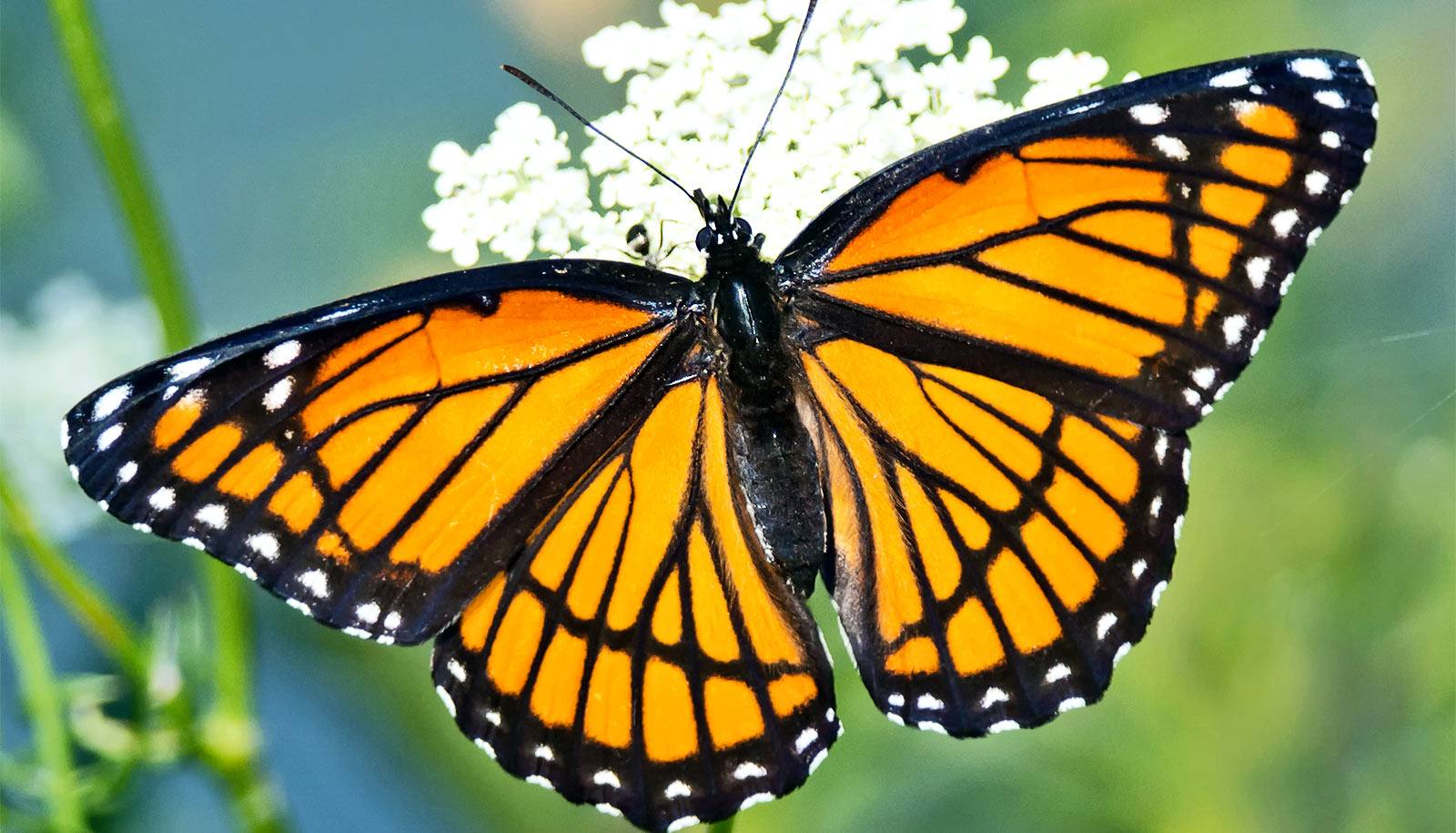


Explore 5th Grade Butterfly Metamorphosis Quizzes
Butterfly metamorphosis represents one of nature's most fascinating transformations, and Grade 5 students can deepen their understanding of this complex life cycle through comprehensive quiz-based assessment and practice questions available on Wayground (formerly Quizizz). These carefully designed quizzes guide students through each stage of butterfly development, from egg to larva to pupa to adult, helping them grasp the biological processes that drive complete metamorphosis. Students receive immediate feedback on their responses, reinforcing correct understanding of vocabulary terms like chrysalis, molting, and emergence while identifying areas where additional study may be needed. The interactive nature of these assessments encourages active learning as students demonstrate their comprehension of how environmental factors, timing, and genetic programming work together to orchestrate this remarkable biological phenomenon. Wayground (formerly Quizizz) empowers educators with access to millions of teacher-created butterfly metamorphosis quiz resources, complete with robust search and filtering capabilities that help identify materials perfectly suited to Grade 5 life science standards and learning objectives. Teachers can easily customize existing quizzes or create new assessments that align with their specific curriculum requirements, adjusting difficulty levels and question types to support both struggling learners who need additional practice with basic concepts and advanced students ready for more challenging applications of metamorphosis principles. The platform's flexible digital delivery formats enable seamless integration into classroom instruction, homework assignments, and review sessions, while built-in analytics help educators identify knowledge gaps and plan targeted remediation activities. These comprehensive tools support effective lesson planning and provide multiple opportunities for skill reinforcement, ensuring students develop a thorough understanding of butterfly life cycles and the broader biological concepts of growth, development, and adaptation.
FAQs
How do I teach butterfly metamorphosis to elementary students?
Start by establishing the difference between complete and incomplete metamorphosis before introducing the four butterfly-specific stages: egg, larva (caterpillar), pupa (chrysalis), and adult. Use visual diagrams and sequencing activities to help students internalize stage progression, since the physical transformations are dramatic and concrete enough for younger learners to connect with. Pairing instruction with labeling exercises reinforces biological vocabulary like 'chrysalis' and 'larva' in context, which improves retention over rote memorization.
What activities help students practice the stages of butterfly metamorphosis?
Sequencing activities, where students arrange the four stages in the correct order, are particularly effective because they require recall without heavy reliance on vocabulary alone. Diagram labeling exercises push students to connect stage names with visual representations, reinforcing both scientific vocabulary and observational skills. Practice problems that ask students to explain what happens at each stage deepen comprehension beyond simple memorization of a list.
What misconceptions do students commonly have about butterfly metamorphosis?
A frequent misconception is that the chrysalis is a cocoon — students often confuse butterfly pupae with moth cocoons, which are made of silk. Another common error is treating metamorphosis as a three-stage process, skipping the egg stage entirely. Students also sometimes believe the caterpillar simply 'grows wings' inside the chrysalis, rather than understanding that most of its body structures are broken down and reorganized during pupation.
How is butterfly metamorphosis different from other insect life cycles?
Butterfly metamorphosis is an example of complete metamorphosis (holometabolism), which includes four distinct stages: egg, larva, pupa, and adult. This contrasts with incomplete metamorphosis (hemimetabolism), seen in grasshoppers and dragonflies, which has only three stages and no pupal phase. The complete metamorphosis process involves a far more dramatic physical transformation, as the larval body is almost entirely reorganized during the pupal stage.
How can I use butterfly metamorphosis quizzes in my classroom?
Butterfly metamorphosis quizzes on Wayground are available as printable PDFs for traditional classroom use and in digital formats for technology-integrated environments, and can also be hosted as a quiz directly on Wayground. The included answer keys support efficient grading and allow students to self-assess during independent work. Quizzes can be assigned as direct instruction support, independent practice, or review materials depending on where students are in the unit.
How do I support students who struggle to remember the butterfly life cycle stages in order?
Students who struggle with sequencing benefit from repeated low-stakes retrieval practice rather than passive re-reading of notes. Sequencing cut-and-paste activities or ordering tasks on quizzes give students an active way to reconstruct the cycle from memory each time. On Wayground, teachers can also enable accommodations such as read-aloud support or reduced answer choices for students who need additional scaffolding during digital practice sessions.

Accessibility
Features
Wayground Super
School & District
Wayground for Business
Create a quiz
Create a presentation
Wayground AI
Subjects
Mathematics
Social Studies
Science
Physics
Chemistry
Biology
About
Our Story
Wayground Blog
Media Kit
Careers
Support
F.A.Q.
Help & Support
Privacy Policy
Terms of Service
Teacher Resources
2026 Wayground


Get our app

