
Resource Type

3rd Grade Dance Quizzes
This Grade 3 dance quiz helps students assess their understanding of basic dance movements, styles, and terminology through engaging practice questions. Students receive instant feedback as they work through self-paced assessment activities covering fundamental dance concepts appropriate for their learning level.

10 questions
Dance

Quiz
•
3rd Grade
11 questions
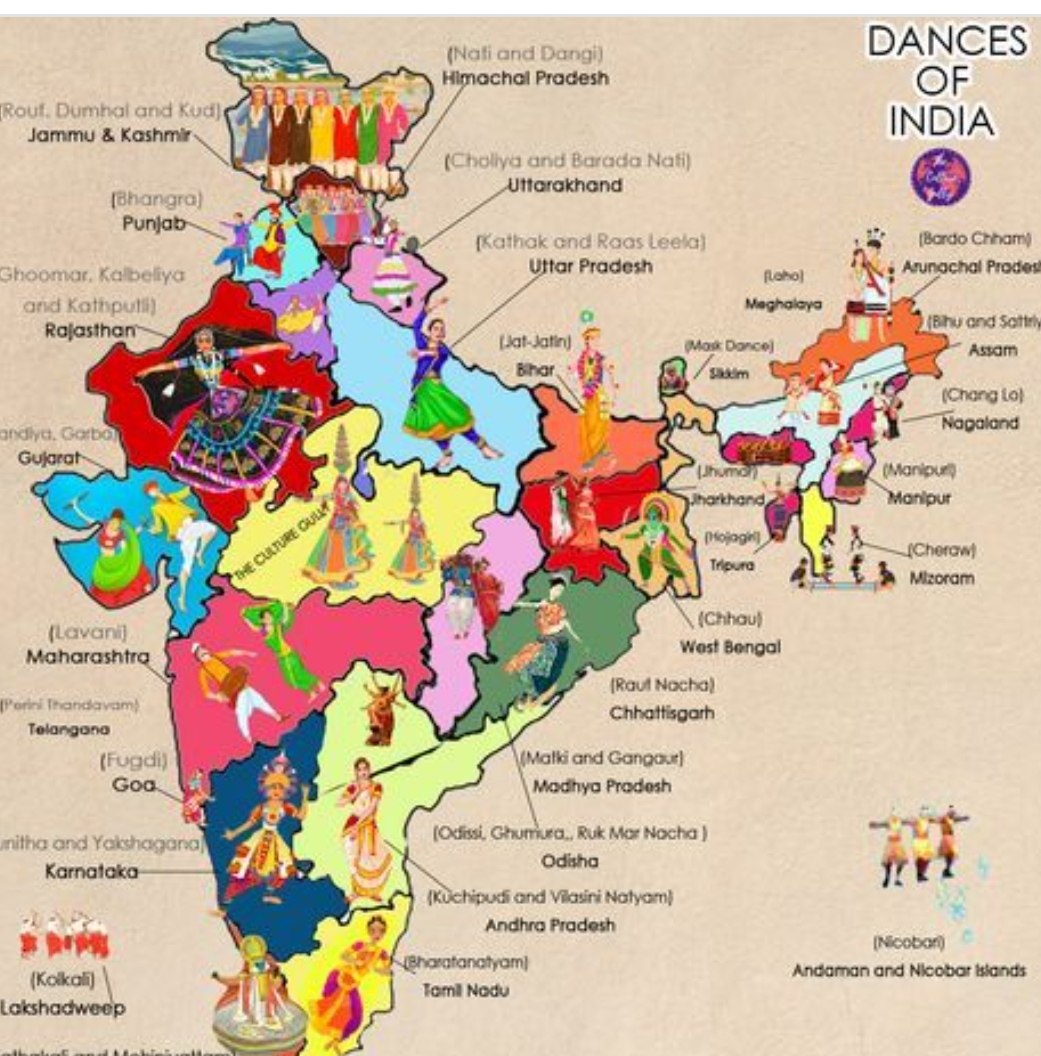
Folk Dances of India
Quiz
•
3rd Grade

10 questions
fortnite dance quizz
Quiz
•
3rd Grade

25 questions
Dance Terms
Quiz
•
3rd Grade

8 questions
3rd Grade Quiz: Elements of Dance
Quiz
•
3rd Grade

12 questions
Dance Etiquette
Quiz
•
3rd - 5th Grade
10 questions
Dance
Quiz
•
3rd - 5th Grade
10 questions
dance
Quiz
•
3rd - 5th Grade
11 questions
FLES CULTURE: Music and Dance Around the World
Quiz
•
3rd - 5th Grade
7 questions
Dance Moves
Quiz
•
2nd - 4th Grade
15 questions
WME World of Dance Unit
Quiz
•
3rd - 5th Grade
20 questions
Dance Concepts Exam
Quiz
•
1st - 5th Grade
Explore 3rd Grade Dance Quizzes
Dance education for Grade 3 students becomes engaging and effective through comprehensive quiz collections available on Wayground, featuring interactive assessment tools that evaluate young learners' understanding of fundamental movement concepts, rhythm recognition, and basic dance terminology. These practice questions are specifically designed to reinforce essential skills including body awareness, spatial relationships, creative expression, and cultural appreciation of various dance forms, while providing immediate feedback that helps students identify areas for improvement and celebrate their growing knowledge of dance as both an art form and physical activity. Wayground's extensive library draws from millions of teacher-created resources, offering educators powerful search and filtering capabilities to locate dance-focused quizzes that align with Grade 3 learning objectives and physical education standards. The platform's differentiation tools enable teachers to customize quiz difficulty levels, question types, and content emphasis to accommodate diverse learning needs within their classrooms, while flexible digital delivery formats support both individual practice sessions and group activities. These comprehensive features facilitate effective lesson planning by providing ready-to-use assessments for skill reinforcement, targeted remediation for students who need additional support with movement concepts, and enrichment opportunities for learners ready to explore more advanced dance knowledge and cultural connections.
FAQs
How do I teach dance concepts in a physical education class?
Teaching dance in physical education works best when you scaffold movement vocabulary before asking students to perform or create. Start with body awareness and spatial relationships, then introduce rhythm and musical interpretation, and build toward choreographic elements and cultural context. Connecting each concept to a specific dance style from around the world helps students see dance as both a physical skill and a form of cultural expression.
What exercises help students practice rhythm and choreography?
Effective practice exercises include analyzing written dance sequences, matching movement vocabulary to descriptions, and identifying the choreographic elements within a given routine. Quizzes that ask students to map out choreography on paper or connect music patterns to movement reinforce both the analytical and creative dimensions of dance. These activities work well as warm-ups, independent practice, or structured review before a performance assessment.
What mistakes do students commonly make when learning dance terminology and choreographic elements?
Students frequently confuse spatial relationship terms such as level, direction, and pathway, treating them as interchangeable when each describes a distinct dimension of movement. A common misconception is that choreography is purely improvised rather than structured, which can lead students to undervalue the planning and compositional skills involved. Quizzes that ask students to identify and label these elements in context help correct these errors before they become entrenched.
How can I use dance quizzes to support students with different learning needs?
Dance quizzes can be differentiated by adjusting the complexity of movement analysis tasks or the amount of contextual support provided alongside each question. On Wayground, teachers can apply individual accommodations such as Read Aloud for students who need audio support, reduced answer choices to lower cognitive load, and extended time per question. These settings can be assigned to specific students without alerting the rest of the class, making differentiation seamless during digital sessions.
How do I use Wayground's dance quizzes in my classroom?
Wayground's dance quizzes are available as printable PDFs for traditional classroom use and in digital formats for technology-integrated environments, giving teachers flexibility across instructional settings. You can also host a quiz directly as a quiz on Wayground, allowing students to complete it online with immediate feedback. Each quiz includes a complete answer key, which supports independent learning and reduces grading time for teachers.
How do I incorporate dance history and cultural context into my lessons?
Structured quizzes that ask students to identify the cultural origins of specific dance forms and trace their historical development are an efficient way to bring cultural context into physical education. Pairing movement-based activities with written analysis tasks helps students understand that dance is both a physical discipline and a living record of cultural history. This dual approach also supports cross-curricular connections to social studies and world history.

Accessibility
Features
Wayground Super
School & District
Wayground for Business
Create a quiz
Create a presentation
Wayground AI
Subjects
Mathematics
Social Studies
Science
Physics
Chemistry
Biology
About
Our Story
Wayground Blog
Media Kit
Careers
Support
F.A.Q.
Help & Support
Privacy Policy
Terms of Service
Teacher Resources
2026 Wayground


Get our app

