
Resource Type


Division with Two-digit Divisors Quizzes
Assess your understanding of division with two-digit divisors through this comprehensive mathematics quiz designed to strengthen your long division skills. Practice step-by-step problem-solving with instant feedback to master dividing numbers by two-digit divisors at your own pace.

10 questions
Two Digit Divisor Division

Quiz
•
6th Grade
18 questions
Long Division With Two Digit Divisors
Quiz
•
5th Grade

20 questions
Long Division With Two Digit Divisors
Quiz
•
5th Grade

10 questions
Division (one and two-digit divisors)
Quiz
•
6th Grade

7 questions
Lesson 24 - Dividing by Two-Digit Divisors
Quiz
•
5th Grade

88 questions
Two Digit Divisors
Quiz
•
5th Grade
10 questions
Long Division with Two Digit Divisors
Quiz
•
5th Grade
10 questions
Double Digit Divisor Division
Quiz
•
5th Grade
19 questions
Long Division With Two Digit Divisors With Remainders
Quiz
•
5th Grade
19 questions
Long Division with Two Digit Divisors
Quiz
•
5th Grade
15 questions
Long Division With Two Digit Divisors With Remainders
Quiz
•
5th Grade
15 questions
Long Division One and Two Digit Divisors
Quiz
•
5th Grade
Explore Division with Two-digit Divisors Quizzes
Division with two-digit divisors represents a critical mathematical milestone where students transition from basic division concepts to more complex computational procedures. These comprehensive quizzes available through Wayground provide systematic assessment opportunities that help students master the multi-step process of dividing larger numbers by two-digit divisors. The practice questions are designed to develop essential skills including estimation strategies, place value understanding, and the systematic application of the long division algorithm when working with divisors ranging from 10 to 99. Through targeted feedback and varied problem types, these assessments strengthen students' computational fluency while building the conceptual understanding necessary for advanced mathematical operations. Wayground supports mathematics educators with access to millions of teacher-created quiz resources specifically focused on division with two-digit divisors, all searchable through intuitive filtering systems that align with curriculum standards and learning objectives. Teachers can customize existing assessments or build upon proven question banks to address diverse student needs, whether providing remediation for struggling learners or enrichment challenges for advanced students. The platform's digital-first delivery format enables immediate scoring and detailed performance analytics, allowing educators to identify specific areas where students need additional support with complex division procedures. These flexible assessment tools integrate seamlessly into lesson planning workflows, supporting both formative evaluation during instruction and summative assessment of student mastery in this foundational mathematical skill area.
FAQs
How do I teach division with two-digit divisors?
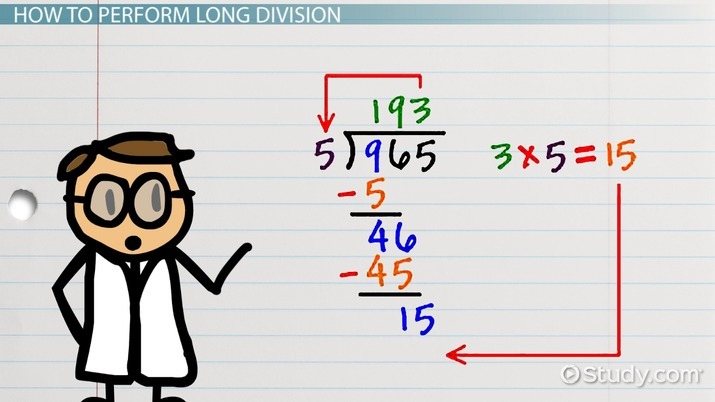
Start with estimation: before students touch the algorithm, have them round the divisor to the nearest ten and predict roughly how many times it goes into the dividend. This builds number sense and gives them a check on their work. Then walk through the long division steps explicitly — divide, multiply, subtract, bring down — using graph paper or place-value columns to keep digits aligned. Once students can execute the steps, introduce problems with remainders so they learn to interpret what's left over, not just carry it mechanically.
What exercises help students practice dividing by two-digit divisors?
The most effective practice moves from structured to open. Begin with problems that produce clean whole-number quotients so students can focus on the algorithm without remainder confusion. Then layer in problems with remainders, and finally problems where students must decide whether to express the remainder as a fraction or decimal. Mixing in multiplication-check steps — where students verify by multiplying quotient by divisor and adding the remainder — turns practice into self-correcting work, which is more valuable than just drilling more problems.
What mistakes do students commonly make when dividing by two-digit divisors?
Three errors come up constantly. First, students underestimate or overestimate the trial quotient digit because they're rounding the divisor incorrectly — they'll try 3 when the answer is 4, then get stuck when the subtraction produces a number larger than the divisor. Second, place-value errors: when a quotient digit is zero, students skip it entirely instead of writing a zero as a placeholder, shifting every subsequent digit. Third, they forget to bring down the next digit after subtracting, cutting the problem short. Catching these early with worked examples that deliberately show each error is more efficient than waiting for them to appear on assessments.
How do I use Wayground's two-digit divisor quizzes in my classroom?
Each quiz is available as a printable PDF and as a digital quiz hosted on Wayground, so you can assign the same problems on paper or online depending on the day. For digital sessions, students submit answers directly through the platform. For paper sessions, you can grade printed submissions using the Wayground for Teachers app, which lets you scan or capture student work — useful when you want offline practice without losing the efficiency of digital grading. Every quiz includes a complete answer key, so it also works well for independent practice or homework where students self-check.
Is division with two-digit divisors aligned to Common Core standards?
Yes. Common Core introduces division with two-digit divisors as a Grade 5 expectation, where students are expected to find whole-number quotients with up to four-digit dividends and two-digit divisors using strategies based on place value and the relationship between multiplication and division. This builds directly from single-digit divisor work in Grade 4 and sets the foundation for applying division to fractions and ratios in Grades 6 and beyond. Fluency with the long division algorithm — not just getting an answer, but understanding why each step works — is the specific skill Common Core targets at this stage.
How can I differentiate two-digit divisor practice for mixed-ability classes?
Wayground lets you create alternate versions of the same quiz by adjusting font size, spacing, or applying a dyslexia-friendly font, so struggling readers aren't blocked by formatting before they even attempt the math. For students who need more support with the algorithm itself, the reduced answer choices accommodation limits the options displayed, which lowers cognitive load without changing the math. Advanced students can be routed to problems involving decimal quotients or multi-step word problems using the same divisor range, keeping the whole class working on the same core skill at different depths.
What grade level covers division with two-digit divisors?
Two-digit divisor division is primarily a Grade 5 skill under Common Core, though many students revisit and solidify it in Grade 6. Students who enter middle school still shaky on the algorithm often encounter it again in the context of rational number operations and unit rate problems, so it's not unusual to see targeted practice assigned through Grade 7 for remediation purposes.

Accessibility
Features
Wayground Super
School & District
Wayground for Business
Create a quiz
Create a presentation
Wayground AI
Subjects
Mathematics
Social Studies
Science
Physics
Chemistry
Biology
About
Our Story
Wayground Blog
Media Kit
Careers
Support
F.A.Q.
Help & Support
Privacy Policy
Terms of Service
Teacher Resources
2026 Wayground


Get our app

