


11th Grade Financial Literacy Quizzes
Test your Grade 11 Financial Literacy knowledge with this comprehensive quiz designed to assess your understanding of key money management concepts. Practice essential financial skills through targeted questions that provide instant feedback to strengthen your real-world financial decision-making abilities.
Recommended topics for you

14 questions
Consumer Math B Unit 1 Review

Quiz
•
11th Grade

18 questions
Consumer Math B Unit 4 Review
Quiz
•
11th Grade

15 questions
Consumer Math Final Review
Quiz
•
11th Grade
22 questions
Consumer Math A Unit 4 Review
Quiz
•
11th Grade

15 questions
Unit 1 Test Review Consumer Math B
Quiz
•
11th Grade

18 questions
Unit 3 Test Review Consumer Math B
Quiz
•
11th Grade
62 questions
Business Math Midterm (25)
Quiz
•
11th Grade
40 questions
BUSINESS MATH Q2
Quiz
•
11th Grade
23 questions
Continuously Compounded Interest
Quiz
•
11th Grade
12 questions
5-1:Income and Net Pay
Quiz
•
11th Grade
5 questions
Profit and Loss
Quiz
•
11th Grade
25 questions
ConsMath Unit 1 Test (Basic Math, Check Writing)
Quiz
•
11th Grade
Explore 11th Grade Financial Literacy Quizzes
Financial literacy education for Grade 11 students requires comprehensive assessment tools that evaluate students' understanding of essential money management concepts and real-world financial decision-making skills. Wayground's extensive collection of financial literacy quizzes, formerly available through Quizizz, provides targeted practice questions that assess student comprehension of budgeting, saving, investing, credit management, and consumer economics. These interactive assessments enable students to demonstrate their understanding of compound interest calculations, loan comparisons, insurance principles, and tax implications while receiving immediate feedback on their responses. The quiz format allows educators to evaluate student progress in applying mathematical concepts to practical financial scenarios, ensuring Grade 11 learners develop the analytical skills necessary for making informed financial choices throughout their lives. Wayground supports mathematics educators with millions of teacher-created financial literacy quiz resources that can be easily searched and filtered by specific learning objectives and curriculum standards. The platform's robust customization tools allow teachers to modify existing assessments or create differentiated versions that accommodate diverse learning needs within Grade 11 classrooms. These digital-first quiz collections can be delivered through various formats including live classroom sessions, assigned homework, or self-paced review activities, providing flexibility for both synchronous and asynchronous learning environments. Teachers can utilize these comprehensive assessment resources for diagnostic evaluation, targeted remediation of specific financial concepts, enrichment activities for advanced learners, and ongoing skill reinforcement throughout the academic year, ensuring all students master the critical financial literacy competencies required for post-secondary success.
FAQs
How should I teach financial literacy to Grade 11 students?
Teach through multi-step decisions such as comparing mortgages, selecting insurance, evaluating investments, and planning retirement savings. Have students calculate each option, identify assumptions and risks, and explain why one choice better fits a stated financial goal.
What exercises help Grade 11 students practice financial literacy?
Strong practice tasks include calculating compound interest, comparing loan terms, constructing amortization schedules, and analyzing investment portfolios. Students can also evaluate insurance options, model retirement contributions, and revise a budget after changes in income, debt, or expenses.
What financial literacy mistakes do Grade 11 students commonly make?
Grade 11 students may confuse simple and compound interest, use an annual rate with the wrong compounding period, or compare loans without calculating total repayment. They may also judge an investment only by its potential return while ignoring time horizon, diversification, fees, and risk.
How can I use Wayground’s Grade 11 financial literacy quizzes?
Teachers can run a quiz as a digital quiz on Wayground or distribute it as a printable PDF for classwork, homework, or paper-based assessment. Every quiz includes a complete answer key, and teachers can scan or capture completed paper submissions for grading with the Wayground for Teachers app.
How do Grade 11 financial literacy quizzes support Common Core math?
These quizzes reflect Common Core’s emphasis on modeling by using algebraic and exponential relationships to examine interest, debt, mortgages, investments, and retirement savings. Students interpret variables, compare quantitative outcomes, and connect mathematical procedures to defensible financial decisions.
How can I differentiate Grade 11 financial literacy practice?
Teachers can vary problem complexity for remediation or enrichment and create alternate versions using wider spacing, larger type, a dyslexia-friendly font, or translation. Digital accommodations can include extended time, Read Aloud, reduced answer choices, and adjustable reading themes for selected students.
What financial literacy skills should Grade 11 students learn?
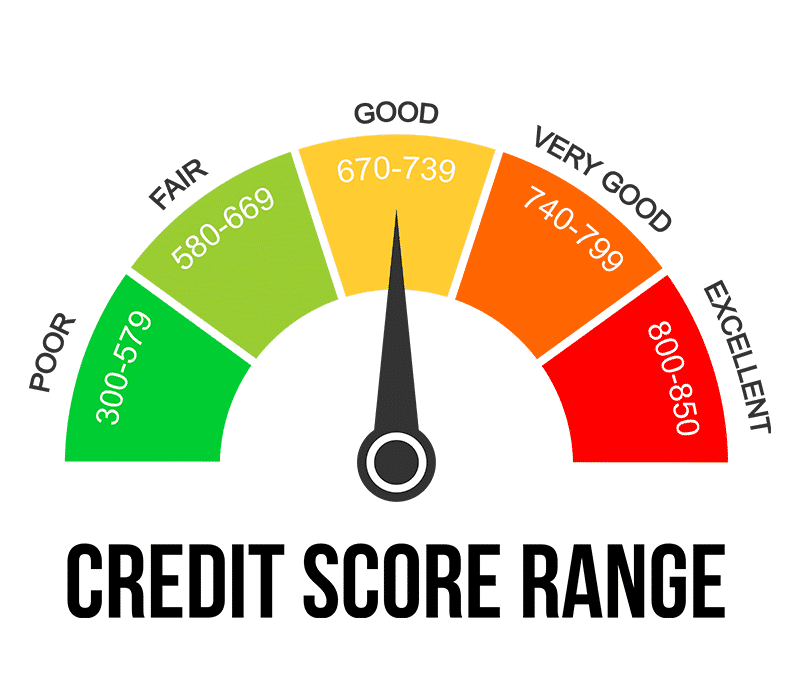
Grade 11 students typically move beyond basic money management into compound interest, credit scores, debt strategy, loan comparison, insurance, investing, and retirement planning. They should be able to model long-term costs and growth, compare financial products, and explain the risks behind a recommendation.

Accessibility
Features
Wayground Super
School & District
Wayground for Business
Create a quiz
Create a presentation
Wayground AI
Subjects
Mathematics
Social Studies
Science
Physics
Chemistry
Biology
About
Our Story
Wayground Blog
Media Kit
Careers
Support
F.A.Q.
Help & Support
Privacy Policy
Terms of Service
Teacher Resources
2026 Wayground


Get our app

