
Filters
Resource Type

Kindergarten Frog Life Cycle Quizzes
Help your kindergarten students assess their understanding of the frog life cycle with this engaging educational quiz. Students can practice identifying the stages of frog development through self-paced questions with instant feedback.

5 questions
Frog Life Cycle

Quiz
•
KG

15 questions
Life cycle of Frog and Butterfly 6 years (ICDC)
Quiz
•
KG

10 questions
Frog and Butterfly Life Cycles
Quiz
•
KG
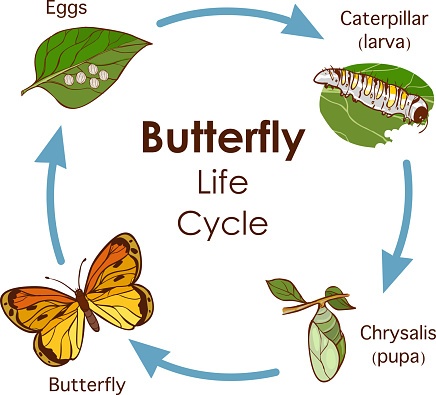
10 questions
Frog and Butterfly Life Cycles
Quiz
•
KG - 1st Grade

20 questions
Animal Life Cycle
Quiz
•
KG - 6th Grade

5 questions
S5 U10L1 Frog life cycle
Quiz
•
KG - 7th Grade
Explore Kindergarten Frog Life Cycle Quizzes
Frog life cycle quizzes for kindergarten students provide essential assessment tools that introduce young learners to the fascinating process of amphibian development through engaging practice questions. These educational resources help students understand the fundamental stages of metamorphosis, from egg to tadpole to adult frog, while developing critical observation skills and scientific vocabulary. Through carefully designed assessment activities, kindergarteners receive immediate feedback on their comprehension of biological processes, building foundational knowledge about animal growth patterns and environmental science concepts that will support their continued learning in life science. Wayground's extensive collection of teacher-created frog life cycle quizzes offers millions of resources specifically designed to support kindergarten educators in delivering effective science instruction. The platform's robust search and filtering capabilities enable teachers to quickly locate age-appropriate content that aligns with early childhood science standards, while built-in differentiation tools allow for customization based on individual student needs and learning styles. These digital-first quiz formats provide flexible delivery options that support both whole-class instruction and independent practice sessions, empowering educators to create targeted learning experiences for skill reinforcement, concept remediation, and enrichment activities that deepen students' understanding of biological processes and scientific inquiry methods.
FAQs
How do I teach the frog life cycle to elementary students?
Start by anchoring instruction around the four key stages: egg, tadpole, froglet, and adult frog. Use visual sequencing activities to help students place each stage in order and describe what changes occur at each transition. Connecting metamorphosis to observable traits, such as the loss of a tail or the development of lungs, helps students move beyond memorization toward genuine biological understanding. Pairing diagrams with vocabulary work reinforces the scientific language students need to describe amphibian development accurately.
What exercises help students practice the frog life cycle?
Effective practice exercises include sequencing tasks where students arrange the stages of metamorphosis in the correct order, labeling diagrams of tadpoles and adult frogs, and fill-in-the-blank activities that reinforce stage-specific vocabulary. Exercises that ask students to compare the physical characteristics of a tadpole versus an adult frog build analytical thinking alongside content knowledge. Quizzes that incorporate questions about environmental factors, such as water temperature and habitat, extend practice into cause-and-effect reasoning.
What mistakes do students commonly make when learning about the frog life cycle?
One of the most common errors is treating metamorphosis as a two-step process, jumping directly from tadpole to adult frog and skipping the froglet stage entirely. Students also frequently confuse the froglet stage with a fully developed frog, not recognizing that the froglet still retains a tail during this transitional phase. Another misconception is that all frog eggs hatch directly into small frogs, which conflates amphibian development with reptile or bird hatching. Targeted labeling and sequencing activities are particularly effective at surfacing and correcting these misunderstandings.
How do I use Wayground's frog life cycle quizzes in my classroom?
Wayground's frog life cycle quizzes are available as printable PDFs, making them easy to distribute in a traditional classroom setting, and in digital formats for technology-integrated or remote learning environments. Teachers can also host the quizzes as an interactive quiz directly on Wayground, which allows for real-time student responses and streamlined grading. Each quiz includes a complete answer key, so assessment is accurate and efficient. For students who need additional support, Wayground's accommodation tools, such as read aloud and reduced answer choices, can be applied individually without disrupting the rest of the class.
How can I differentiate frog life cycle instruction for students at different levels?
For students who need scaffolding, provide labeled diagrams and word banks so they can focus on sequencing and comprehension rather than recall alone. Advanced students benefit from open-ended questions about the environmental conditions that affect metamorphosis or comparative tasks that examine how frog development differs from other amphibians. On Wayground, teachers can assign accommodations such as extended time, read aloud, or reduced answer choices to individual students, allowing differentiation to happen quietly in the background while the rest of the class works on standard settings.
What vocabulary should students know before completing a frog life cycle quiz?
Students should be familiar with the terms metamorphosis, tadpole, froglet, amphibian, and the names of each developmental stage before beginning quiz activities. Understanding words like gills, lungs, and aquatic versus terrestrial is also important, since these concepts underpin the physical changes students are asked to identify and explain. Pre-teaching this vocabulary through a word wall or brief direct instruction ensures that quiz practice reinforces content understanding rather than getting derailed by unfamiliar terminology.

Accessibility
Features
Wayground Super
School & District
Wayground for Business
Create a quiz
Create a presentation
Wayground AI
Subjects
Mathematics
Social Studies
Science
Physics
Chemistry
Biology
About
Our Story
Wayground Blog
Media Kit
Careers
Support
F.A.Q.
Help & Support
Privacy Policy
Terms of Service
Teacher Resources
2026 Wayground


Get our app

