
Filters


Grades
Grammar Quizzes
Assess your understanding of grammar concepts with this comprehensive English quiz featuring practice questions and instant feedback. Test your knowledge of grammar rules and mechanics through self-paced assessment designed to strengthen your language skills.
Recommended topics for you

10 questions
Past Tense Irregular Verbs Quiz

Quiz
•
5th Grade

15 questions
Irregular Verbs
Quiz
•
6th Grade

15 questions
Spelling Rhyming Words List 2
Quiz
•
2nd Grade
14 questions
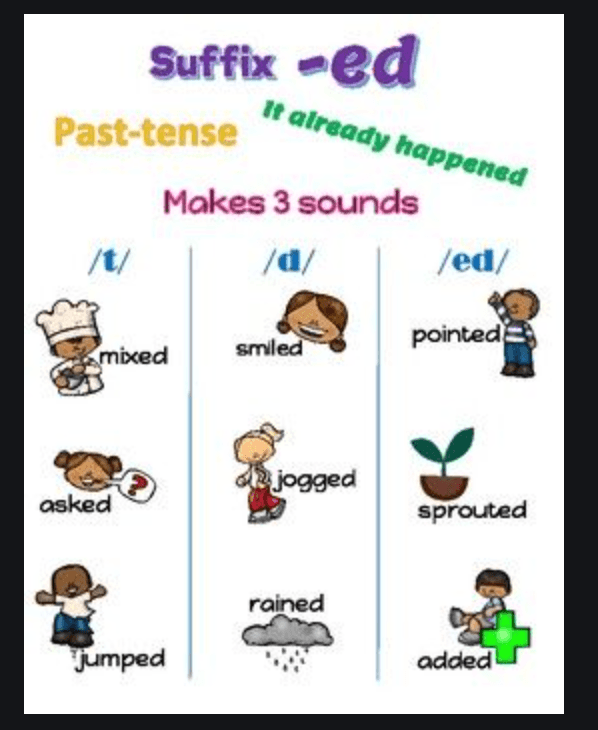
Suffix ed
Quiz
•
2nd Grade

14 questions
Compound Words Quiz
Quiz
•
5th Grade

12 questions
Irregular verbs
Quiz
•
5th Grade
13 questions
Second Grade Sight Words
Quiz
•
2nd Grade
14 questions
Figurative Language and root words
Quiz
•
5th Grade
8 questions
Consonant + le
Quiz
•
2nd Grade
20 questions
Present simple tense
Quiz
•
1st - 5th Grade
20 questions
Figurative Language Review
Quiz
•
3rd Grade
10 questions
Rhyming Words with 'Chew'
Quiz
•
1st - 5th Grade
Explore Grammar Quizzes
Grammar quizzes provide essential assessment tools for developing students' understanding of language mechanics, syntax, and usage conventions. These comprehensive practice questions cover fundamental concepts including parts of speech, sentence structure, punctuation rules, verb tenses, subject-verb agreement, and proper word usage. Through targeted assessment and immediate feedback, students can identify areas of weakness while reinforcing correct grammatical principles. The interactive nature of these quizzes allows learners to practice applying grammar rules in context, moving beyond rote memorization to develop genuine understanding of how language components work together to create clear, effective communication. Wayground's extensive collection of teacher-created grammar quizzes offers educators access to millions of resources designed to support diverse learning needs and classroom objectives. The platform's robust search and filtering capabilities enable teachers to quickly locate materials aligned with specific standards and learning goals, while built-in differentiation tools allow for customized content delivery matching individual student abilities. These digital-first resources support flexible implementation across various instructional formats, from whole-class review sessions to individual remediation and enrichment activities. Teachers can seamlessly integrate these assessments into their planning cycles, using real-time data to inform instruction, identify students requiring additional support, and provide targeted skill reinforcement that strengthens grammatical competency across all areas of written and spoken communication.
FAQs
How do I teach grammar effectively in the classroom?
Effective grammar instruction combines explicit teaching of rules with frequent, contextualized practice. Start by introducing one concept at a time, such as subject-verb agreement or verb tenses, and then give students immediate opportunities to apply the rule in both isolated exercises and real writing. Connecting grammar instruction to students' own writing makes the learning more meaningful and helps rules stick longer than drills alone.
What grammar concepts should students practice most?
Students benefit most from regular practice with parts of speech, sentence structure, verb tenses, subject-verb agreement, and punctuation rules, as these form the foundation of both written and oral communication. Exercises should progress from basic identification tasks to application tasks where students use concepts in original sentences, building both accuracy and confidence over time.
What are the most common grammar mistakes students make?
The most frequent errors include subject-verb disagreement, inconsistent verb tense, run-on sentences, comma splices, and incorrect pronoun-antecedent agreement. Students often apply a grammar rule correctly in isolated exercises but revert to errors when writing independently, which is why practice problems that mirror real writing contexts are more effective than recognition-only drills.
How can I differentiate grammar instruction for students at different skill levels?
For struggling learners, reduce the complexity of tasks by focusing on one rule at a time and providing sentence frames or word banks. Advanced students benefit from open-ended application tasks and error-correction exercises that require them to explain the rule being violated. Wayground supports differentiation through accommodations such as read aloud, reduced answer choices, and extended time, which can be assigned to individual students without disrupting the rest of the class.
How do I use Wayground's grammar quizzes in my classroom?
Wayground's grammar quizzes are available as printable PDFs for traditional classroom use and in digital formats for technology-integrated instruction, making them flexible for homework, centers, or whole-class lessons. Teachers can also host quizzes as a quiz directly on Wayground, and all quizzes include complete answer keys to support both self-paced learning and teacher-led review.
How do I find grammar quizzes aligned to my specific standards or skill targets?
Wayground offers robust search and filtering tools that let teachers quickly locate grammar resources aligned to specific standards and learning objectives across all grade levels. The library spans subtopics including Grammar and Mechanics, Language and Vocabulary, Phonics, and Spelling, so teachers can pinpoint materials for a precise skill rather than sifting through unrelated content.

Accessibility
Features
Wayground Super
School & District
Wayground for Business
Create a quiz
Create a presentation
Wayground AI
Subjects
Mathematics
Social Studies
Science
Physics
Chemistry
Biology
About
Our Story
Wayground Blog
Media Kit
Careers
Support
F.A.Q.
Help & Support
Privacy Policy
Terms of Service
Teacher Resources
2026 Wayground


Get our app

