
Filters
Resource Type

Kindergarten Hygiene Quizzes
Help your kindergarten students assess their understanding of hygiene basics with this interactive quiz designed for young learners. These practice questions provide instant feedback to reinforce healthy habits like handwashing, brushing teeth, and staying clean.
Recommended topics for you

13 questions
PERSONAL HYGIENE

Quiz
•
KG

15 questions
HEALTH AND HYGIENE
Quiz
•
KG
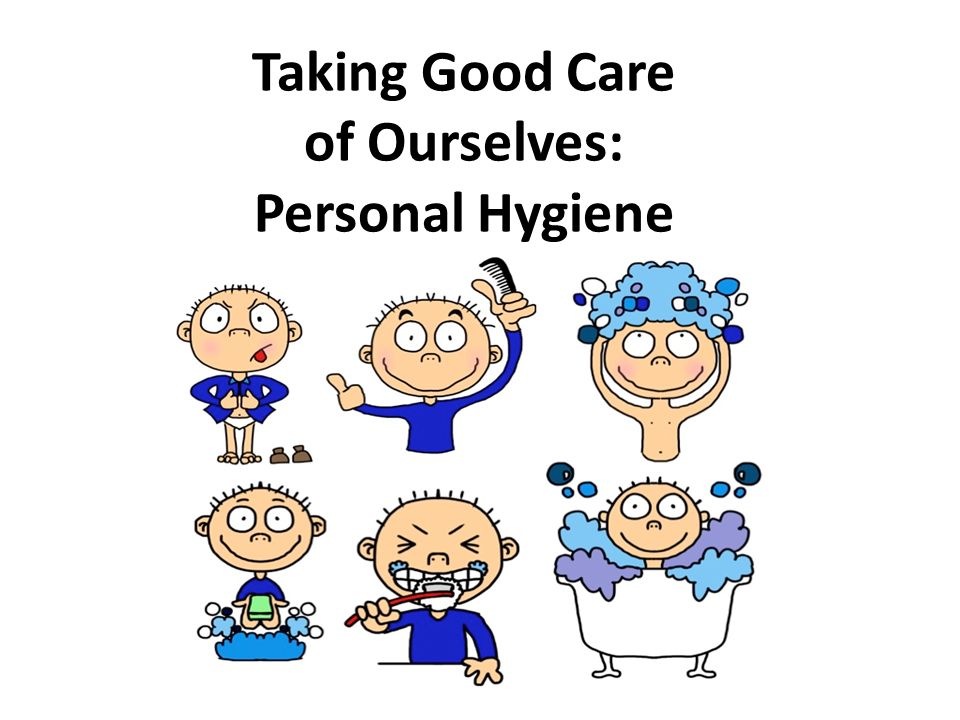
10 questions
Hygiene and Cleanliness
Quiz
•
KG

6 questions
Personal Hygiene
Quiz
•
KG

9 questions
All About Hygiene
Quiz
•
KG

6 questions
Personal Hygiene
Quiz
•
KG
10 questions
Personal hygiene
Quiz
•
KG
6 questions
Personal Hygiene
Quiz
•
KG
14 questions
Hand Hygiene
Quiz
•
KG
11 questions
Revision-Oral Hygiene
Quiz
•
KG
10 questions
Personal and Environmental Hygiene
Quiz
•
KG
13 questions
Good Habits & Personal Hygiene
Quiz
•
KG
Explore Kindergarten Hygiene Quizzes
Hygiene education forms a cornerstone of health learning for kindergarten students, establishing essential life skills that promote wellness and disease prevention from an early age. Wayground's comprehensive collection of hygiene quizzes provides kindergarten educators with targeted assessment tools that evaluate young learners' understanding of proper handwashing techniques, dental care routines, and personal cleanliness habits. These interactive practice questions are specifically designed for early childhood development, using age-appropriate language and visual elements that help kindergarten students demonstrate their knowledge of basic hygiene concepts. The assessment format encourages students to apply their learning about staying healthy and clean, while providing immediate feedback that reinforces correct hygiene practices and gently corrects misconceptions through supportive learning experiences. Wayground's extensive library of millions of teacher-created hygiene quizzes empowers educators to deliver differentiated instruction that meets the diverse learning needs of kindergarten classrooms. The platform's robust search and filtering capabilities enable teachers to quickly locate standards-aligned content that specifically targets hygiene concepts appropriate for early elementary learners, while customization tools allow educators to modify questions and difficulty levels to accommodate varying developmental stages. These digital-first resources support flexible delivery formats that can be seamlessly integrated into whole-group instruction, small group activities, or individual practice sessions, making them invaluable for lesson planning, skill remediation, and enrichment opportunities. Teachers can leverage these assessment tools to identify knowledge gaps in hygiene understanding, reinforce healthy habits through repeated practice, and ensure that all kindergarten students develop the foundational health education skills necessary for lifelong wellness.
FAQs
How do I teach hygiene to students in a way that actually sticks?
Teaching hygiene effectively requires connecting habits to real-world consequences students can understand, such as explaining how improper handwashing spreads illness or how dental plaque leads to cavities. Use visual demonstrations, sequencing activities, and role-play to make routines concrete rather than abstract. Repeated exposure through structured practice, such as labeling steps in a handwashing routine or ordering a tooth-brushing sequence, helps students internalize habits rather than just memorize facts.
What kinds of exercises help students practice personal hygiene concepts?
Effective hygiene practice activities include sequencing exercises where students order the correct steps of a routine, matching tasks that pair hygiene tools with their uses, and fill-in-the-blank prompts that reinforce vocabulary like 'bacteria', 'plaque', or 'contamination'. Scenario-based questions that ask students to identify hygienic versus unhygienic behaviors are especially effective for building applied understanding. These formats keep practice purposeful and directly tied to the habits students need to develop.
What misconceptions do students commonly have about hygiene?
One of the most common misconceptions is that water alone is sufficient for handwashing, when in fact soap is essential for breaking down and removing pathogens. Students also frequently underestimate how long proper handwashing takes, often stopping well before the recommended 20 seconds. For dental hygiene, many students believe brushing once a day is enough, not recognizing the role of flossing or the timing of brushing relative to meals.
How can I differentiate hygiene instruction for students at different skill levels?
For students who need additional support, simplify tasks by reducing the number of answer choices or focusing on one hygiene routine at a time, such as handwashing before moving to dental care. More advanced students can explore how hygiene practices connect to disease prevention and public health. On Wayground, teachers can apply individual accommodations such as read aloud, reduced answer choices, and extended time, ensuring every student engages with hygiene content at an appropriate level without singling anyone out.
How do I use Wayground's hygiene quizzes in my classroom?
Wayground's hygiene quizzes are available as printable PDFs for traditional classroom use and in digital formats for technology-integrated environments, making them flexible for in-person, hybrid, or remote settings. Teachers can distribute them as independent practice, homework, or structured classroom activities, and can also host them as a quiz directly on Wayground for immediate student feedback. Complete answer keys are included, so assessment and follow-up instruction require minimal additional preparation.
Are Wayground's hygiene quizzes suitable for health education standards?
Yes, Wayground's hygiene resources are designed to align with health education standards and cover core personal health concepts including handwashing, dental care, and personal grooming. The platform's search and filtering tools allow teachers to quickly locate materials that match their curriculum requirements and the appropriate developmental level for their students. Both the printable and digital versions are well-suited for use within a structured health education unit or as supplemental resources throughout the year.

Accessibility
Features
Wayground Super
School & District
Wayground for Business
Create a quiz
Create a presentation
Wayground AI
Subjects
Mathematics
Social Studies
Science
Physics
Chemistry
Biology
About
Our Story
Wayground Blog
Media Kit
Careers
Support
F.A.Q.
Help & Support
Privacy Policy
Terms of Service
Teacher Resources
2026 Wayground


Get our app

