


9th Grade Literary Elements Quizzes
Assess your understanding of literary elements with this comprehensive Grade 9 English quiz featuring practice questions and instant feedback. Test your knowledge of key literary devices, character development, plot structure, and narrative techniques through self-paced assessment designed for ninth-grade students.

22 questions
Literary Elements

Quiz
•
9th Grade

20 questions
Literary elements
Quiz
•
9th Grade
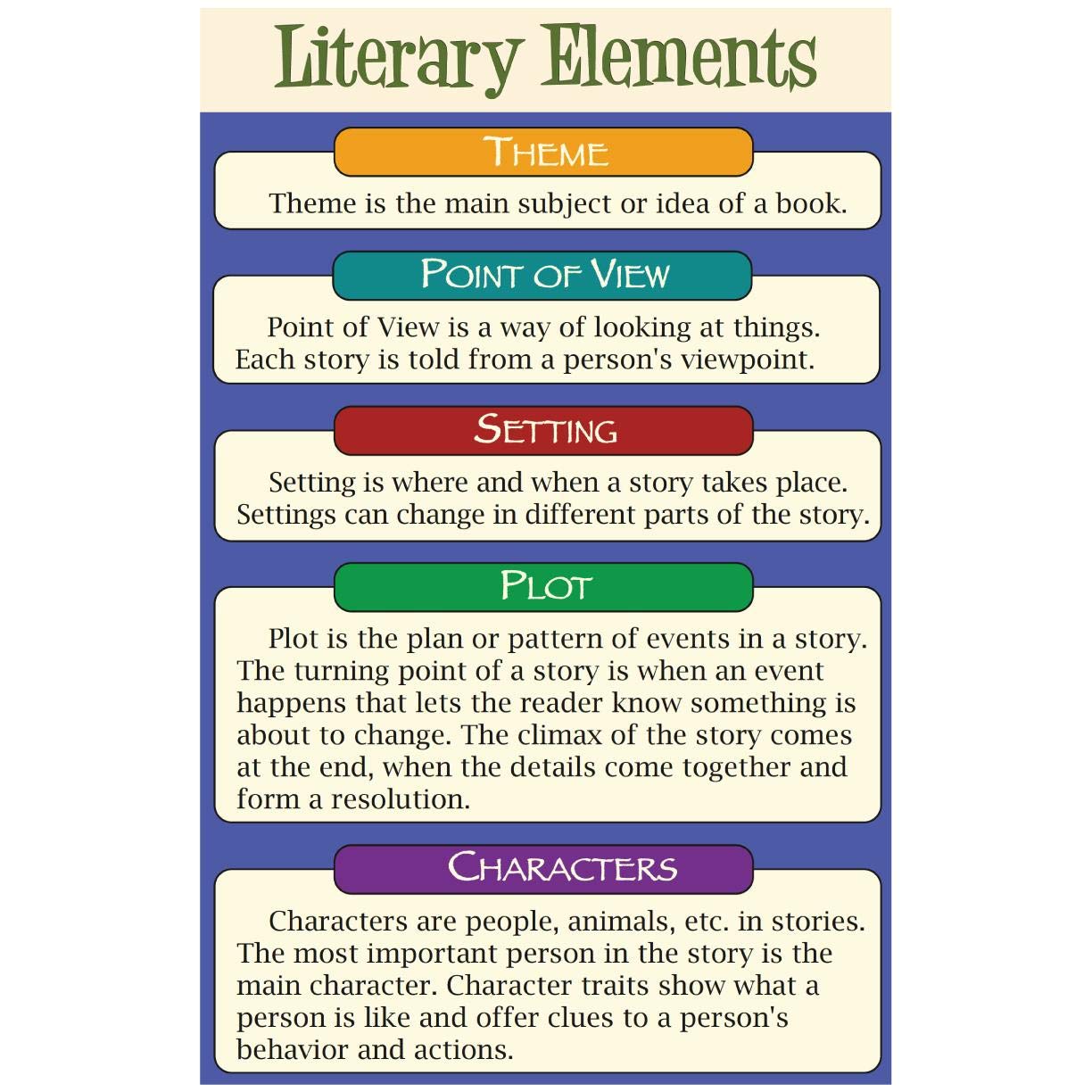
20 questions
Literary Elements Quiz
Quiz
•
9th Grade

24 questions
Literary Elements Review
Quiz
•
9th Grade

6 questions
Unit 1 Literary Elements
Quiz
•
9th Grade

15 questions
Literary Elements w Lima Bean
Quiz
•
9th Grade
21 questions
Literary elements quiz
Quiz
•
9th Grade
13 questions
Literary Elements Challenge of DOOM!
Quiz
•
7th - 9th Grade
17 questions
Literary Elements Review
Quiz
•
7th - 9th Grade
21 questions
Literary Elements Review
Quiz
•
9th - 12th Grade
22 questions
Literary Elements (9th)
Quiz
•
9th - 12th Grade
15 questions
Literary Elements
Quiz
•
9th - 12th Grade
Explore 9th Grade Literary Elements Quizzes
Literary elements form the foundational building blocks that Grade 9 students must master to develop sophisticated reading comprehension and analytical skills across all genres and text types. Wayground's comprehensive quiz collection provides targeted assessment tools that help students identify, analyze, and evaluate key literary components including character development, plot structure, setting, theme, point of view, symbolism, and figurative language. These practice questions offer immediate feedback to reinforce understanding of how authors craft meaning through deliberate literary choices, enabling students to move beyond surface-level reading toward deeper textual analysis. The quizzes systematically build critical thinking skills by challenging students to recognize literary techniques, understand their purposes, and explain their effects on reader interpretation and engagement. Wayground supports English teachers with millions of teacher-created quiz resources specifically designed to strengthen literary element recognition and analysis skills for Grade 9 students. The platform's robust search and filtering capabilities allow educators to quickly locate standards-aligned assessments that target specific literary concepts, from basic identification exercises to complex analytical challenges. Teachers can customize existing quizzes or create new assessments to match their curriculum pacing and student needs, utilizing differentiation tools to provide appropriate challenge levels for diverse learners. The flexible digital delivery format enables seamless integration into classroom instruction, homework assignments, and review sessions, while detailed performance analytics help teachers identify knowledge gaps and plan targeted remediation or enrichment activities that reinforce essential literary analysis skills.
FAQs
How do I teach literary elements to students who struggle with abstract concepts like theme and symbolism?
Anchor abstract literary elements to concrete textual evidence by having students trace specific moments in a text before naming the element at work. For theme, ask students to identify a recurring conflict or character change first, then articulate what the author seems to be saying about it. For symbolism, start with obvious, culturally familiar symbols before moving to author-specific ones. Building the analysis from evidence backward to the concept reduces guesswork and makes abstract elements feel grounded.
What exercises help students practice identifying literary elements across different genres?
Cross-genre comparison exercises are particularly effective — having students identify how plot structure operates in a short story versus how it functions in a poem or drama reveals how literary elements flex across forms. Character development charts, point-of-view rewrite activities, and conflict mapping tasks give students structured frameworks to apply consistently regardless of genre. Wayground's literary elements quizzes cover fiction, poetry, and drama, providing practice problems that build this cross-genre analytical flexibility.
What mistakes do students commonly make when analyzing literary elements?
The most common error is confusing plot summary with literary analysis — students describe what happens rather than explaining how a specific element functions in the text. With theme, students frequently state a topic (loyalty, courage) instead of a complete thematic statement about that topic. With point of view, students often conflate the narrator's perspective with the author's intent. Targeted practice that requires students to cite evidence and explain the effect of each element, rather than just label it, corrects these patterns over time.
How can I use literary elements quizzes to differentiate instruction for mixed-ability readers?
Select quizzes that target different complexity levels — basic element identification tasks work well for developing readers, while quizzes focused on thematic analysis or the interplay between multiple elements challenge advanced students. On Wayground, teachers can apply individual accommodations such as Read Aloud support for students who need text read to them, reduced answer choices to lower cognitive load, and extended time settings, all configurable per student without notifying the rest of the class.
How do I use Wayground's literary elements quizzes in my classroom?
Wayground's literary elements quizzes are available as printable PDFs for traditional classroom use and in digital formats for technology-integrated environments, including the option to host them as a quiz directly on Wayground. Teachers can use the search and filtering tools to locate quizzes aligned to specific curriculum standards, then assign them as independent practice, guided small-group work, or assessment prep. Each quiz includes a comprehensive answer key, making them equally useful for in-class instruction and independent student review.
How do I assess whether students truly understand literary elements versus just memorizing definitions?
Move assessment beyond definition recall by asking students to apply elements to an unseen passage and justify their answers with textual evidence. A student who understands conflict, for example, should be able to identify the type of conflict, locate the moment it peaks, and explain how it drives character decisions — not just define the term. Quizzes that pair analysis prompts with specific text excerpts are the most reliable tools for revealing genuine comprehension versus surface-level memorization.

Accessibility
Features
Wayground Super
School & District
Wayground for Business
Create a quiz
Create a presentation
Wayground AI
Subjects
Mathematics
Social Studies
Science
Physics
Chemistry
Biology
About
Our Story
Wayground Blog
Media Kit
Careers
Support
F.A.Q.
Help & Support
Privacy Policy
Terms of Service
Teacher Resources
2026 Wayground


Get our app

