
Filters
Resource Type


4th Grade Plant Life Cycle Quizzes
Test your Grade 4 students' understanding of plant life cycles with this comprehensive science quiz. Practice key concepts through targeted questions that provide instant feedback and support self-paced assessment of botanical knowledge.

11 questions
Plant Life Cycle

Quiz
•
4th Grade

16 questions
Plant Life Cycles
Quiz
•
4th Grade
21 questions
Plant Life Cycles and Adaptations
Quiz
•
4th Grade

22 questions
Plant Life cycle
Quiz
•
4th Grade
7 questions
Understanding the Plant Life Cycle
Quiz
•
4th Grade

10 questions
Flowering Plant Life Cycle
Quiz
•
4th Grade
10 questions
Plant Life Cycle
Quiz
•
4th Grade
14 questions
Plant Life Cycle
Quiz
•
4th Grade
7 questions
4th Grade Animal and Plant Life Cycles
Quiz
•
4th Grade
35 questions
Plant/Life Cycle/Metamorphosis Test (30Q)
Quiz
•
4th Grade
15 questions
Plant Life Cycle
Quiz
•
3rd - 4th Grade
10 questions
Animal and Plant Life Cycles
Quiz
•
2nd - 4th Grade
Explore 4th Grade Plant Life Cycle Quizzes
Plant life cycle assessment resources for Grade 4 provide comprehensive practice questions that help students understand the fundamental stages of plant growth and development. These quizzes available through Wayground guide fourth-grade learners through essential concepts including seed germination, root and shoot development, flowering, pollination, and fruit formation. Students receive immediate feedback as they work through questions about photosynthesis basics, plant parts and their functions, and the environmental factors that influence plant growth. The assessment format reinforces understanding of how plants reproduce, adapt to their environments, and contribute to ecosystems while building scientific vocabulary and observation skills critical for elementary life science mastery. Wayground supports educators with millions of teacher-created plant life cycle quiz collections that can be easily discovered through robust search and filtering capabilities aligned to state science standards. Teachers can customize existing assessments or create new practice questions tailored to their students' diverse learning needs, incorporating visual elements like plant diagrams and growth sequence images that enhance comprehension. The platform's flexible digital delivery format enables immediate scoring and progress tracking, while differentiation tools allow educators to adjust question complexity and provide targeted remediation for struggling learners or enrichment opportunities for advanced students. These capabilities streamline lesson planning and support ongoing skill reinforcement, helping teachers effectively assess student understanding of plant biology concepts and address learning gaps through focused practice sessions.
FAQs
How do I teach the plant life cycle to elementary students?
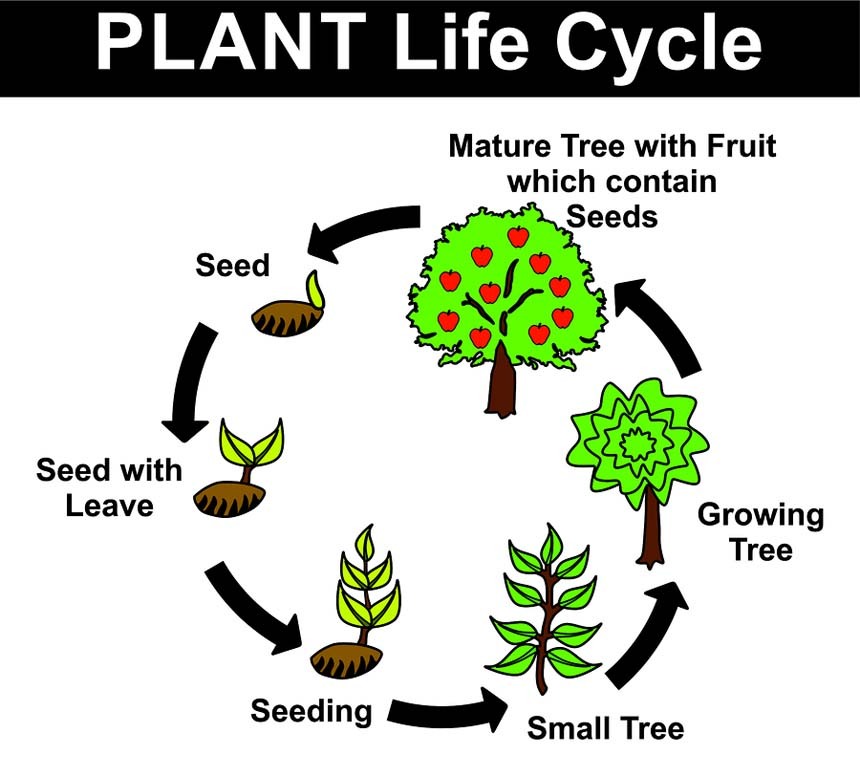
Start by grounding students in the four core stages: germination, seedling growth, flowering, and seed dispersal. Use visual sequencing activities where students arrange labeled diagrams in order, then connect each stage to observable real-world examples like bean sprout experiments or flowering plants in the classroom. Connecting the abstract cycle to something students can physically watch grow over days dramatically improves retention.
What kinds of quizzes help students practice plant life cycle concepts?
Effective practice quizzes for the plant life cycle include stage-sequencing diagrams, label-the-diagram activities, compare-and-contrast tasks across different plant species, and short-answer questions about environmental factors like sunlight and water. Activities that ask students to identify what happens before and after each stage reinforce cyclical thinking, which is a key conceptual skill in life science.
What mistakes do students commonly make when learning the plant life cycle?
The most common misconception is treating the life cycle as a linear process that ends at the mature plant, rather than understanding that seed dispersal loops back to germination. Students also frequently confuse pollination with fertilization, and may not recognize that different plant species follow different reproductive strategies. Targeted practice problems that ask students to explain what happens after seed dispersal can directly address these gaps.
How do I assess whether students understand plant life cycle stages?
Strong assessment tasks include asking students to sequence unlabeled diagrams, explain the role of each stage in their own words, and identify what environmental conditions trigger germination or flowering. Common error patterns to watch for include skipping seed dispersal entirely and conflating seedling development with germination. Quizzes with built-in answer keys allow teachers to quickly identify where student understanding breaks down.
How can I use plant life cycle quizzes in my classroom?
Plant life cycle quizzes on Wayground are available as printable PDFs for hands-on, paper-based lessons and in digital formats for technology-integrated classrooms. Teachers can also host them as a quiz directly on Wayground, making them suitable for formative assessment, independent practice, or homework. The flexibility between print and digital accommodates varied classroom setups and student preferences without requiring lesson redesign.
How can I support struggling learners during a plant life cycle unit?
For students who need additional support, Wayground offers built-in accommodation tools including Read Aloud, which reads questions aloud for students with reading difficulties, and reduced answer choices to lower cognitive load on multiple-choice items. Extended time can also be configured per student without notifying the rest of the class, allowing differentiated pacing within a single shared assignment. These settings are saved per student and carry over to future sessions automatically.

Accessibility
Features
Wayground Super
School & District
Wayground for Business
Create a quiz
Create a presentation
Wayground AI
Subjects
Mathematics
Social Studies
Science
Physics
Chemistry
Biology
About
Our Story
Wayground Blog
Media Kit
Careers
Support
F.A.Q.
Help & Support
Privacy Policy
Terms of Service
Teacher Resources
2026 Wayground


Get our app

