
Filters
Resource Type


4th Grade World History Quizzes
Practice Grade 4 World History with this comprehensive quiz designed to assess understanding of key historical concepts and events. Get instant feedback on your answers while exploring ancient civilizations, important historical figures, and major developments that shaped our world.
Recommended topics for you

16 questions
Ellis Island Test Review

Quiz
•
4th Grade

28 questions
World History Final Sem 1
Quiz
•
4th Grade
18 questions
TCI World History
Quiz
•
4th Grade
7 questions
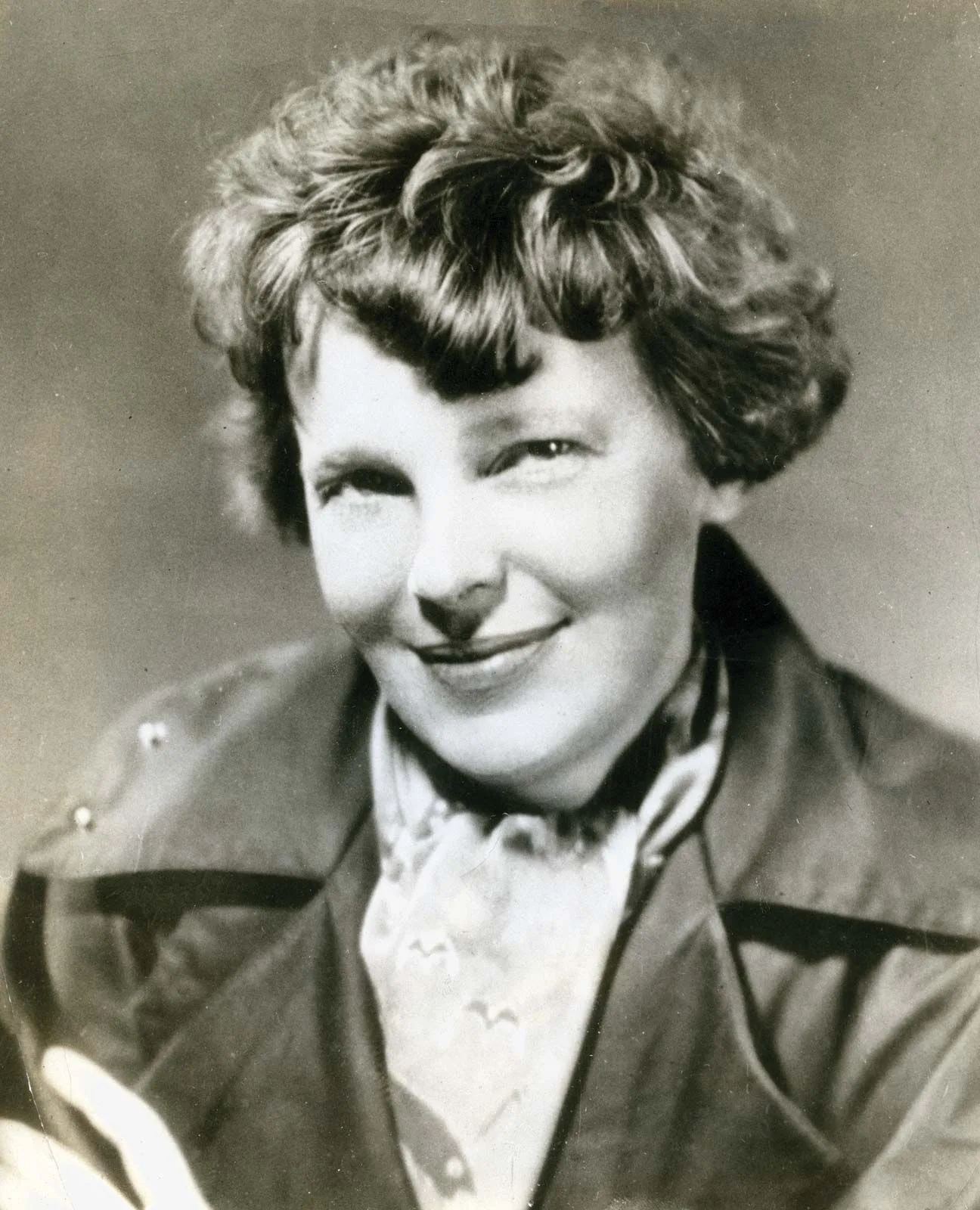
Amelia Earhart
Quiz
•
4th Grade
22 questions
UNIT 1 Review (World History, Unit 1, Lesson 1-6)
Quiz
•
4th Grade

12 questions
Early Human Migration and Hunter-Gatherers Worksheet
Quiz
•
4th Grade
21 questions
Texas World History Early Civilization Vocabulary
Quiz
•
4th Grade
10 questions
Amelia Earhart
Quiz
•
4th Grade
13 questions
Migration and Early Humans
Quiz
•
4th Grade
16 questions
Chapter 1 Section 3: Early Human Migration
Quiz
•
4th Grade
9 questions
Amelia Earhart Quiz
Quiz
•
4th Grade
15 questions
Amelia Earhart
Quiz
•
4th Grade
Explore 4th Grade World History Quizzes
World History quizzes for Grade 4 students provide comprehensive assessment opportunities that span ancient civilizations, early societies, and foundational historical periods appropriate for elementary learners. Through Wayground's extensive collection of teacher-created quizzes, students engage with practice questions covering major world cultures, significant historical figures, and pivotal events that shaped human civilization. These interactive assessments develop critical thinking skills as students analyze historical cause and effect, compare different societies, and demonstrate understanding of chronological thinking. The quiz format delivers immediate feedback, allowing fourth-grade learners to identify areas of strength and topics requiring additional study while building confidence in their historical knowledge and analytical abilities. Wayground's platform empowers educators with access to millions of teacher-created World History quiz resources specifically designed for Grade 4 curriculum standards and learning objectives. The robust search and filtering capabilities enable teachers to locate quizzes aligned with state and national social studies standards, ensuring content matches specific instructional goals and assessment requirements. Customization tools allow educators to modify existing quizzes or create differentiated versions that accommodate diverse learning needs, supporting both remediation for struggling students and enrichment opportunities for advanced learners. The flexible digital delivery format facilitates seamless integration into classroom instruction, homework assignments, and review sessions, while detailed analytics help teachers identify learning gaps and plan targeted interventions that reinforce essential World History concepts and skills throughout the academic year.
FAQs
How do I teach world history effectively in a middle or high school classroom?
Effective world history instruction builds chronological reasoning by connecting events across time periods rather than treating them as isolated facts. Teachers should anchor each unit around a compelling question — such as 'Why do empires fall?' or 'How does trade reshape societies?' — so students develop analytical habits rather than just memorizing dates. Using primary sources alongside structured note-taking and timelines helps students trace cause-and-effect relationships across civilizations and eras.
What types of exercises help students practice world history skills?
World history practice is most effective when it combines document analysis, timeline sequencing, compare-and-contrast tasks, and map interpretation. Exercises that ask students to evaluate the causes and consequences of specific events — such as the Columbian Exchange, the Treaty of Versailles, or the Russian Revolution — build the analytical skills assessed on standardized tests and in essay writing. Vocabulary practice for period-specific terms and short-answer responses tied to primary sources round out a strong practice routine.
What common mistakes do students make when studying world history?
One of the most common errors is treating history as a sequence of disconnected facts rather than understanding the causal relationships between events. Students often struggle to distinguish correlation from causation — for example, assuming the assassination of Franz Ferdinand 'caused' World War I without understanding the underlying tensions. Another frequent misconception is applying present-day values anachronistically when evaluating historical figures or systems like feudalism, the caste system, or colonialism.
How can I use world history quizzes to support students with different learning needs?
World history quizzes on Wayground can be paired with platform accommodations to support diverse learners without singling anyone out. Teachers can enable Read Aloud for students who struggle with complex historical texts, reduce answer choices for students who need lower cognitive load on multiple-choice items, and grant extended time for students who need it on timed digital activities. These settings are saved per student and apply automatically in future sessions, making differentiation efficient across a full class roster.
How do I use Wayground's world history quizzes in my classroom?
Wayground's world history quizzes are available as printable PDFs for traditional classroom use and in digital formats for technology-integrated environments, including the option to host them as an interactive quiz directly on the platform. Teachers can assign quizzes by subtopic — such as the Holocaust, the Cold War, or Medieval Europe — to align with specific units. Each quiz includes a complete answer key, making them practical for independent practice, homework, or formative assessment without additional prep work.
How do I help students understand the difference between correlation and causation in world history?
Teaching students to distinguish correlation from causation requires structured analysis of historical evidence. Have students build argument maps that separate background conditions, triggering events, and long-term causes for major events like World War I or the fall of the Roman Empire. Asking students to rank causes by significance and defend their reasoning in writing is one of the most effective methods for developing this skill, and it also prepares them for document-based question formats on AP and state assessments.
What world history topics should I prioritize when planning a full-year course?
A rigorous full-year world history course typically anchors around major thematic threads: human migration and early civilizations, the rise and fall of empires, religious and cultural diffusion, colonization and its consequences, industrial and political revolutions, and 20th-century conflicts and their aftermath. Topics like the Columbian Exchange, the Scramble for Africa, the World Wars, and the Cold War are foundational because they demonstrate how regional events generate global consequences. Pairing thematic units with skills like source analysis and change-over-time reasoning gives students both content knowledge and transferable historical thinking tools.

Accessibility
Features
Wayground Super
School & District
Wayground for Business
Create a quiz
Create a presentation
Wayground AI
Subjects
Mathematics
Social Studies
Science
Physics
Chemistry
Biology
About
Our Story
Wayground Blog
Media Kit
Careers
Support
F.A.Q.
Help & Support
Privacy Policy
Terms of Service
Teacher Resources
2026 Wayground


Get our app

