

Sparta - Chapter 3

Presentation
•
Social Studies
•
6th Grade
•
Easy

Andrea Peters
Used 17+ times
FREE Resource
24 Slides • 16 Questions
1
Sparta - Chapter 3
Learning Objective 1: Understand the Spartan emphasis on military training, bravery, and warrior culture.
Learning Objective 2: Explain the Spartan system of government
Learning Objective 3: Recognize some of the important differences between Athens and Sparta.

2
REMINDER:
You cannot take your modern, western beliefs and impose them on a different society, especially one that existed thousands of years ago.
You are allowed to disagree with how they did things, but do not let that cloud your ability to understand the reason behind why they did it.
3
Multiple Choice
Review:
What was the name of the group that voted to determine government policy in ancient Athens?
Agora
Assembly
Symposium
Senate
4
Multiple Choice
Review:
Who could be a citizen of Athens
Any adult who was not enslaved and who had two Athenian parents
Any male adult
Anyone who was born in Athens
Any male adult who was not enslaved
None of these are correct
5
Fill in the Blanks
Spelling and Vocab:
Athenians would vote to
Type answer...
6
Fill in the Blanks
Spelling and Vocab:
A
Type answer...
7
Chapter 3 Vocab
Barracks: buildings where soldiers live
"Aristocratic Council": a group of people from the upper class or nobility who helped govern Sparta
Landlocked: cut off from the seacoast; surrounded by land
Phalanx: a group of soldiers who attack in close formation with their shields overlapping and spears pointed forward
8
Multiple Choice
Which definition best fits the term phalanx?
Cut off from the sea
Group of soldiers who attack in close formation with their shields overlapping and spears pointed forward
Group of people from the upper class or nobility who helped govern Sparta
Buildings where soldiers live
9
Multiple Choice
Which definition best fits the term landlocked?
A group of people from the upper class or nobility who helped govern Sparta
Buildings where soldiers lived
Cut off from the sea
Group of soldiers who attack in close formation with their shields overlapping and spears pointed forward
10
Multiple Choice
Which definition best fits the phrase aristocratic council?
A group of people from the upper class or nobility who helped govern Sparta
Cut off from the sea
Group of soldiers who attack in close formation with their shields overlapping and spears pointed forward
Buildings where soldiers lived
11
The Big Question
Why were Spartan children, especially boys, treated so harshly?
12
13
Sparta vs. Athens
Athens = biggest rival
About 100 miles southwest of Athens
Had different ideas about the purpose of education
No interest in developing "well-rounded individuals"
Or individuals or any sort

14
Multiple Choice
What city-state was the main rival of Sparta?
Athens
Corinth
Olympia
Megara
15
Military Emphasis
Emphasis on military training from cradle to grave
Required 23 years of military training
Weak and/or unhealthy babies were abandoned on Mt. Taygetos
Only wanted babies that could grow up to be a strong warrior

16
Military Emphasis
Children needed to be tough
Crying children were not comforted
Believed soothing children made them soft
Boys were not allowed to wear shoes (even in winter)
Believed shoes gave boys soft feet and soldiers needed tough feet

17
Boys' Education
Boys taught to endure great pain and never accept defeat
Focus on physical fitness
Age 7 - boys sent to the agoge and lived in barracks
Agoge: state sponsored training to turn boys into soldiers
Taught to obey without question

18
Boys' Education
Any questioning of authority brought severe punishment (whipping)
Teen years - food rations cut so they would learn how to find their own food
Encouraged to steal and scavenge
Beaten if caught

19
Girls' Education
Began schooling around age 7
Only city-state that allowed girls to go to school
Learned poetry, history, reading, writing, music, art, fighting, wrestling, and gymnastics
Expected to be physically fit
Needed to be able to defend Sparta and themselves

20
Girls' Education
Practiced sports
Running, Wrestling, Discus, and Javelin Throwing (they could even compete in the Olympics!)
At 18, girls took citizenship test, mix of physical and mental testing
If she failed, she would not become a citizen and would be a Períoikoi (non-citizen, middle class)

21
Open Ended
What did Spartans consider to be the purpose of education?
22
Family & Military Service
Sparta > Family
Men could marry at 20, had to live in barracks until 30
Had to sneak away to see their wives, punished if caught
After age 30, still had to eat with their army unit instead of family
Military service lasted until age 60

23
Multiple Choice

At what age were Spartan men allowed to retire from the military?
20
40
60
80
24
Multiple Choice
25
Women in Sparta
Did not fight in the military but had more political rights than Athenian women
Could own land
Encouraged to take part in footraces and other sports
Believed strong, healthy women are more likely to give birth to strong, healthy babies
Expected to raise their sons to become warriors

26
Multiple Choice
27
Why the emphasis on military?
Protection against foreign enemies
Believed a "wall of men" would protect Sparta better than a wall of bricks
Helots outnumbered Spartans 20:1
Helots = enslaved people
First helots were captured during war

28
Life of Helots
Tied to the land, could not be bought and sold
Life in Sparta was much worse than life of an enslaved person in Athens
Spartans treated Helots roughly
Helots sometimes revolted
Some accounts exist of Helots owning property and fighting alongside Spartans in battle

29
Multiple Choice
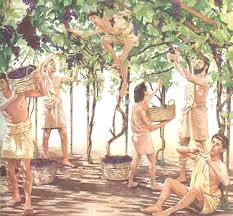
Who were the helots?
nobles who ran the country
slaves who worked the land
merchants or artisans who lived in the villages
soldiers who protected the city-state
30
Benefit of Spartan Training
Citizens were patriotic, disciplined, and tough
Valued equality between Spartan citizens
Men taught to care more about the well-being of the state than about their own person well-being
Willing to defend their polis to the death

31
Government
Oligarchy with a mix of monarchy, aristocracy, and very limited democracy
Two Kings - supposed to prevent each other from becoming corrupt tyrants
Kings in charge of the military
Shared power with Ephors - 5 men who served Sparta for 1 year
Aristocratic Council of Elders and an Assembly helped govern Sparta

32
Multiple Choice
33
Spartan Assembly
Citizens in the Assembly could not debate, just approve or disapprove a proposal
Voting down by a mixture of a show of hands (approve) and shouting (disapprove)
Assembly could vote in elections; would shout for who they wanted to elect. Loudest shouts won.

34
Spartan Assembly
Citizens could not debate, just approve or disapprove a proposal
Spartans did not trust Athenian democracy and believed Spartan way of life was superior
35
Open Ended
How was Sparta's Assembly different from the one in Athens?
36
Let's compare Sparta to Athens
Impact of location
Fighting style
Culture
37
Impact of Location
Sparta is landlocked, which made it isolated (Athens is 4 miles from the sea)
Did not want visitors - preserve their traditional way & highly ordered society
Used iron bars instead of silver and gold coins to avoid attracting foreign merchants
Very small navy but their army was the best in Greece

38
Military
Spartan army is known for the phalanx
Success of the phalanx relies on constant drilling, discipline, courage, patriotism, and the idea of equality
Athens had both a strong army and a strong navy but the navy is where they excelled

39
Spartan Culture
Less extravagant than Athenians and believed in keeping life simple
According to Athenian writers, Spartan cooks were told not to make the food too tasty
Only "fun" activity that the elders allowed was dancing because it helped improve a soldier's footwork
Athens focused on rhetoric and public speaking; Spartans were known for avoiding long speeches and being very concise
Athens focused on producing literature and art; Spartans believed that too much attention to "things of the mind" might make them soft
40
Open Ended
Chapter 3 Big Question:
Why were Spartan children, especially boys, treated so harshly?
Sparta - Chapter 3
Learning Objective 1: Understand the Spartan emphasis on military training, bravery, and warrior culture.
Learning Objective 2: Explain the Spartan system of government
Learning Objective 3: Recognize some of the important differences between Athens and Sparta.
Show answer
Auto Play
Slide 1 / 40
SLIDE
Similar Resources on Wayground

33 questions
Jobs
Presentation
•
6th Grade
34 questions
Latin America Vocabulary
Presentation
•
6th Grade
34 questions
Currents
Presentation
•
6th Grade
33 questions
Lesson: The Mauryan and Gupta Empires
Presentation
•
6th Grade
34 questions
Continents Oceans Directions Oh My!!
Presentation
•
6th Grade
37 questions
Monsoon Asia NHT (Numbered Heads Together)
Presentation
•
6th Grade
31 questions
The Cold War Timeline
Presentation
•
6th Grade
31 questions
Ancient India
Presentation
•
6th Grade
Popular Resources on Wayground
6 questions
PRIDE Always and Everywhere
Presentation
•
12th Grade
20 questions
Lab Safety Quiz

Quiz
•
6th Grade
26 questions
KOR Review Kahoot Questions
Quiz
•
8th Grade
21 questions
Continents and Oceans
Quiz
•
6th Grade
12 questions
Unit Zero lesson 2 cafeteria
Presentation
•
9th - 12th Grade
20 questions
Parts of Speech
Quiz
•
5th Grade
10 questions
Riddles Riddles fun Riddles
Quiz
•
6th - 12th Grade
16 questions
Subject & Predicate
Quiz
•
5th Grade
Discover more resources for Social Studies
15 questions
6th Grade Europe's Environmental Issues/Impact of Geography
Quiz
•
6th Grade
10 questions
Exploring the Age of Exploration: Key Events and Figures

Interactive video
•
6th - 10th Grade
10 questions
The 5 Themes of Geography
Quiz
•
6th Grade
13 questions
Primary and Secondary Sources
Quiz
•
6th Grade
12 questions
Latitude & Longitude
Interactive video
•
6th Grade
12 questions
GRAPES of Civilizations
Quiz
•
6th Grade
20 questions
Lizzie's Morning
Quiz
•
6th Grade
13 questions
The French and Indian War
Interactive video
•
6th - 8th Grade