

Experimental Design

Presentation
•
Chemistry
•
8th Grade
•
Practice Problem
•
Medium
+7
Standards-aligned

Michael Stange
Used 166+ times
FREE Resource
9 Slides • 18 Questions
1
Experimental Design
2
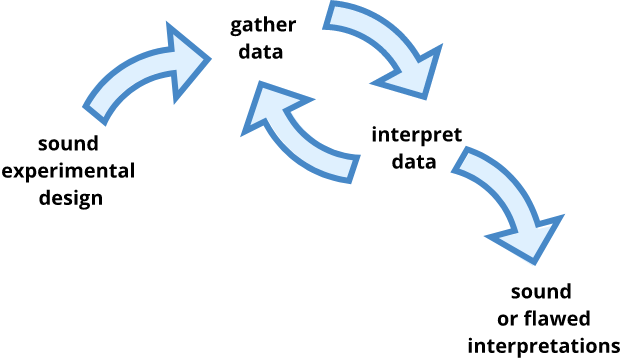
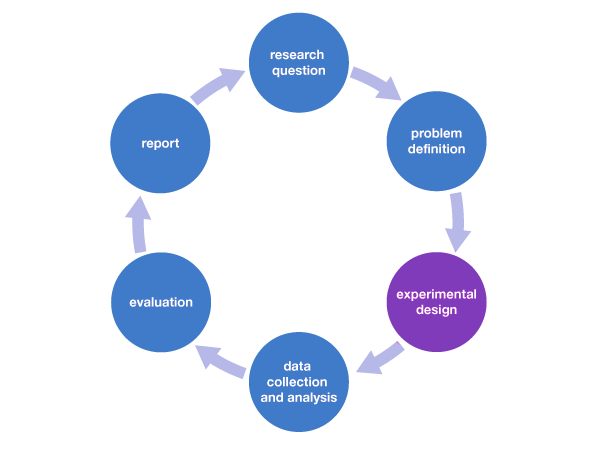
What is Good Experimental Design?
Experimental Design is a logical, consistent process
It uses the SCIENTIFIC METHOD for stating, solving, and understanding problems in the natural world.
3
Why Perform Experiments?
The goal of all experiments is to test ideas or hypotheses to solve or understand phenomena in nature
This is all done to either create a new theory,
or to add more evidence to support an existing theory

4
Multiple Choice

An experiment generally tests how one _________ is affected by another.
5
Multiple Choice

The more times that an experiment is repeated and the same results obtained, the more likely the results are _________.
6
Multiple Choice

A(n) ____________ is a special type of scientific investigation that is performed under controlled conditions.
7
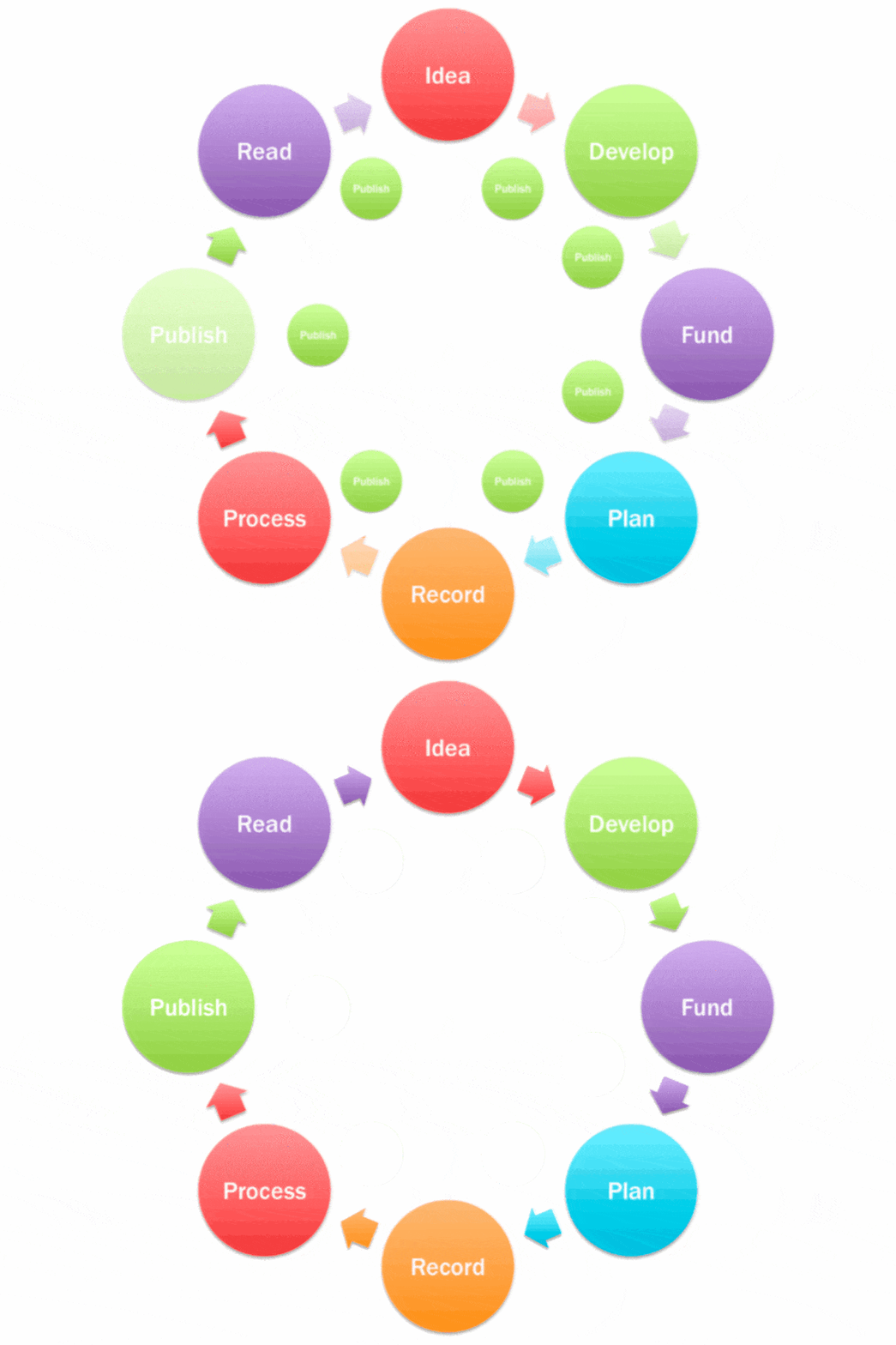
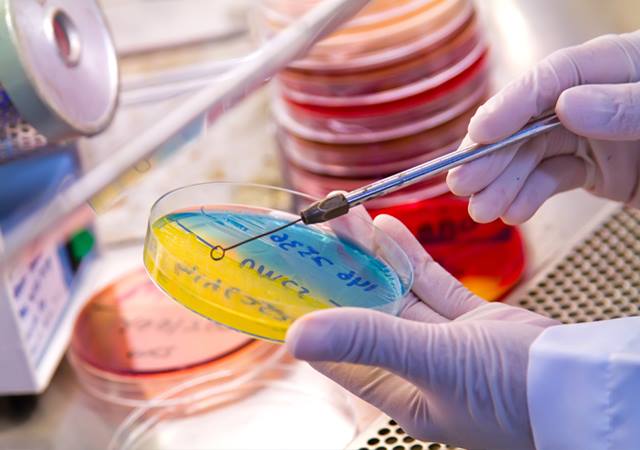
What's the process?
OBSERVE Something
Research or Infer to formulate a Hypothesis
Design a Procedure to test that hypothesis
Conduct an experiment and record data
Analyze the Results
Draw a Conclusion and communicate the results
8
Multiple Choice
9
Multiple Choice
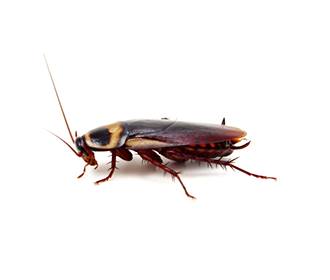
10
Multiple Choice
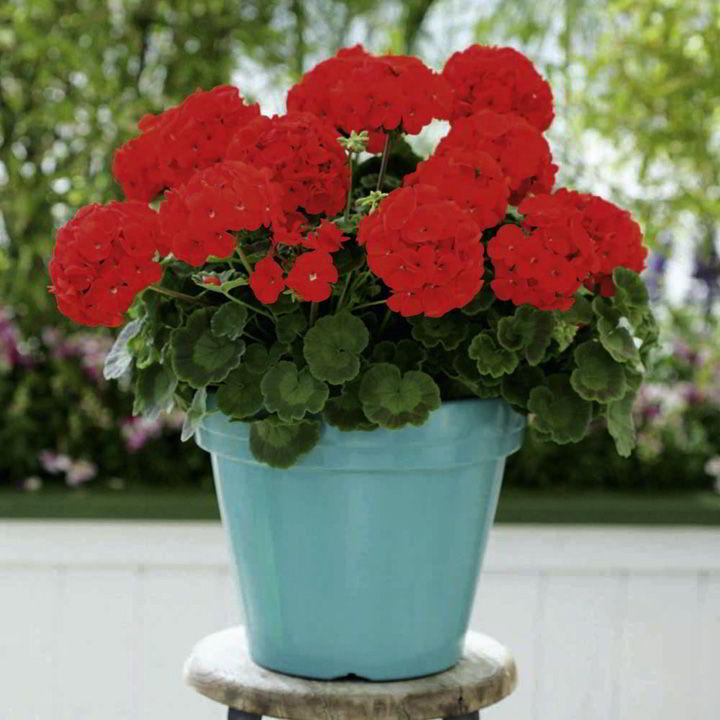
Susan said, “If I fertilize my geranium plants, then they will blossom faster.”
11
Multiple Choice
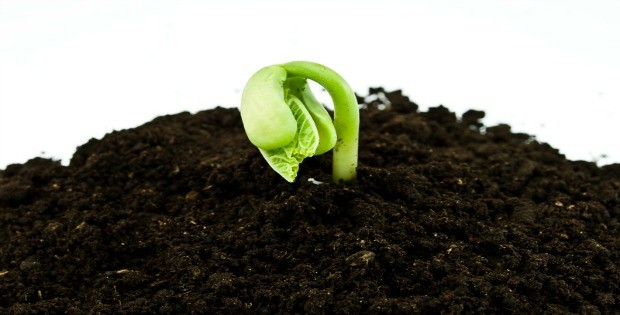
12
Observations
There are two types of observations:
Qualitative Observations: These are made by acquiring information using your senses or with special equipment.
Quantitative Observations: is acquiring and recording numerical data.

13
What's the Problem?
Careful observations lead to questions…
A Problem Statement is a question that compares two variables.
Example 1: What is the effect of the change in the length of daylight on the leaf color of deciduous trees?
Example 2: Does the change in the length of daylight affect the leaf color of deciduous trees?

14
Multiple Choice
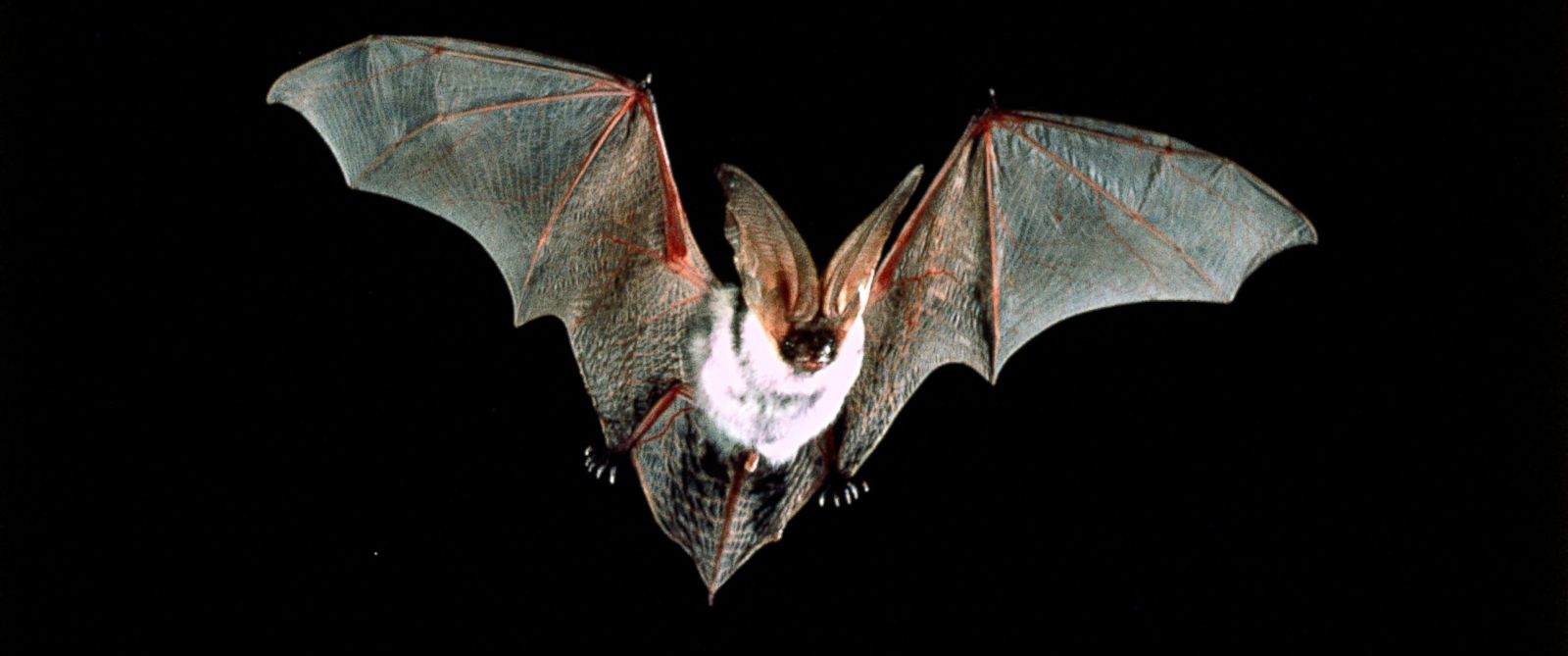
Jose saw bats catching insects after dark. He asked, “How do bats find insects in the dark?”
15
Multiple Choice
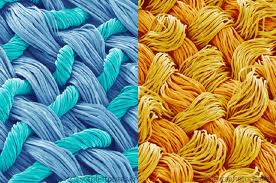
Dana wants to know how different are synthetic fibers from natural fibers.
16
What are variables?
A Variable is anything that changes.
The variables compared in the problem statement are the INDEPENDENT & DEPENDENT variables.
The IV is what is changed at the beginning of the experiment.
The DV is what changes BECAUSE of the IV
Example 1: What is the effect of the change in the length of daylight on the leaf color of deciduous trees?T

17
IV vs. DV
INDEPENDENT VARIABLE:
A variable YOU MANIPULATE or CHANGE at the BEGINNING of the experiment.
The different variations of the IV are called the LEVELS of the IV.
DEPENDENT VARIABLE:
The Variable that changes as a result of the independent variable.
The Variable that is measured and recorded.

18
Constants & Control
IN ANY EXPERIMENT, YOU MUST CONTROL AS MUCH AS POSSIBLE.
Constants are variables that DO NOT CHANGE through the entire experiment. It is something that MUST REMAIN THE SAME!
The Control is one of the levels of the IV.
It is the group that is used TO COMPARE TO THE RESULTS FOR EACH LEVEL OF THE IV.

19
Multiple Choice

A scientist is testing the impact of light and dark on the moth behavior by turning a light on and off. The DEPENDENT variable is...
20
Multiple Choice
21
Multiple Choice

What is the INDEPENDENT variable (cause)in this experiment?
"Which type of metal, copper or aluminum, conducts heat faster?"
22
Multiple Choice

What is the DEPENDENT variable (effect) in this experiment?
"Does eating breakfast improve test score?"
23
Multiple Choice
24
Multiple Choice
25
Multiple Choice
26
Multiple Choice
27
Multiple Choice
Experimental Design
Show answer
Auto Play
Slide 1 / 27
SLIDE

