

2 Lesson: BIO.A.2.1. Water Properties

Presentation
•
Biology
•
9th - 12th Grade
•
Practice Problem
•
Medium
+1
Standards-aligned

Rose Marsh
Used 19+ times
FREE Resource
13 Slides • 14 Questions
1
Water Properties

2
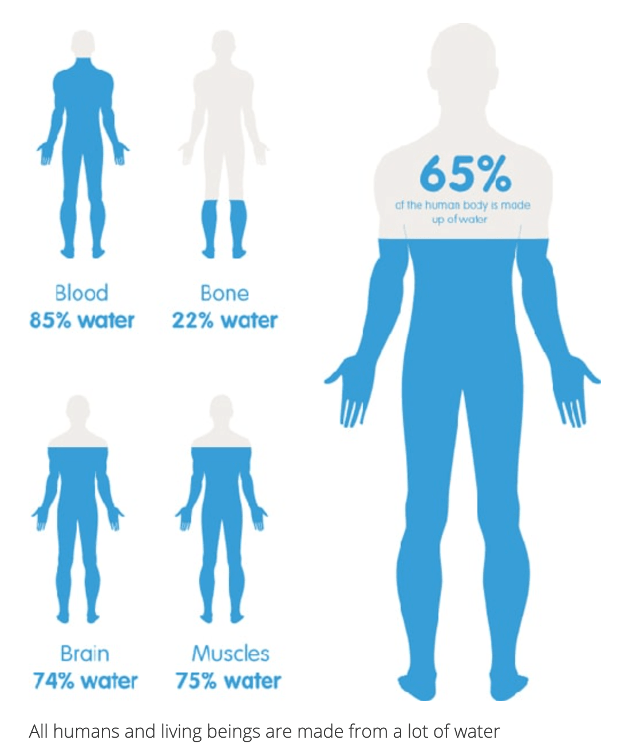
Water in the Human Body
• Water is an essential need in our body.
• Our body consist of 65% of Water
3
Water Structure
• H2O
• Two hydrogen atoms with one oxygen atom.
• Held together by a Polar Covalent Bond (don't share evenly). So partial charges of positive and negative.

4
Water Partial Charges
• Polar Covalent Charge
• Electrons are not shared evenly
• Electrons are pulled toward the oxygen moe than hydrogen
• Important in reactions

5
Hydrogen Bond
A weak bond
Bond between two molecules resulting from an electrostatic attraction between a proton in one molecule and an electronegative atom in the other

6
Cohesion
Water loves to stick to water

7
Adhesion
Water loves to stick to other stuff
Opposites attract positive to negative

8
Surface Tension
The cohesive forces between molecules
Acting as if it has a stretched elastic membrane
The intermolecular attractive forces creates the surface tension
Result of Cohesion and Adhesion

9
Capillary Action
Movement of water molecules along a surface (adhesion and cohesion)
Capillary action bring water from the roots to the leaves.

10
High Specific Heat
Water has a high specific heat and transparent, so it takes more energy to heat up than land does.
Take more energy to heat up water then other solutions.
This is good because our bodies are 65% water and we need to have consistency (homeostasis).

11
Universal Solvent
Water is capable of dissolving more substances thean any other liquid

12
Water Density
As a liquid water has a high density
As a sold (ice) was has less density, and bonds expands, so ice floats in water.
When water floats it works like a insulant to organisms below.
Cold water is heavier than warm water.

13
14
Multiple Choice

What are the bonds called between a slightly positive hydrogen in a polar molecule and a negatively charged atom?
15
Multiple Choice
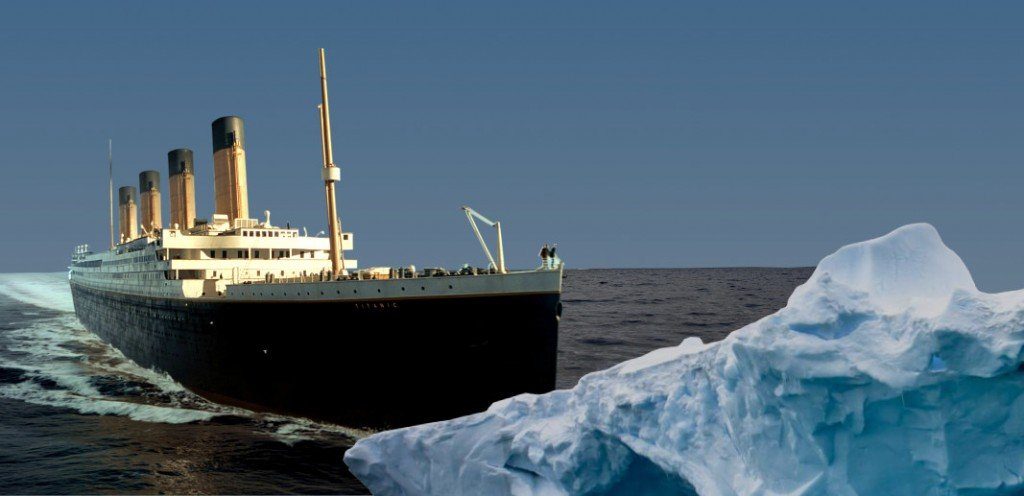
Why does ice float?
16
Multiple Choice
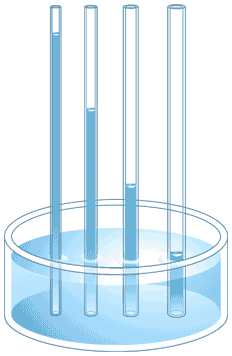
What is the term for water's ability to defy gravity and climb up a tube?
17
Multiple Choice
18
Multiple Choice
19
Multiple Choice

You body sweats to help prevent you from overheating. How does water regulate temperature?
20
Multiple Choice
21
Multiple Choice
22
Multiple Choice
23
Multiple Choice
24
Multiple Choice
25
Multiple Choice
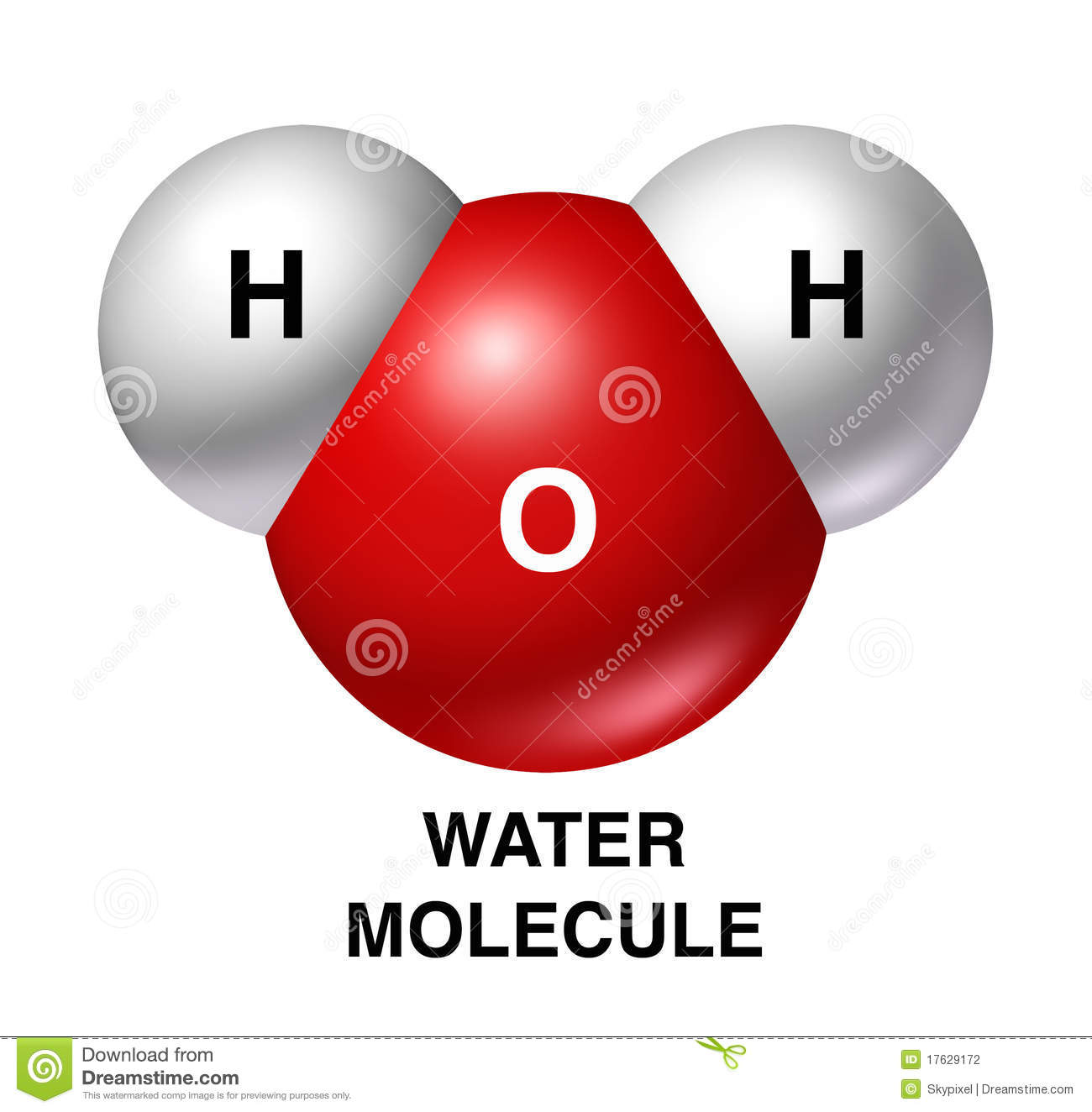
Which part of a water molecule has a Negative Charge?
26
Multiple Choice
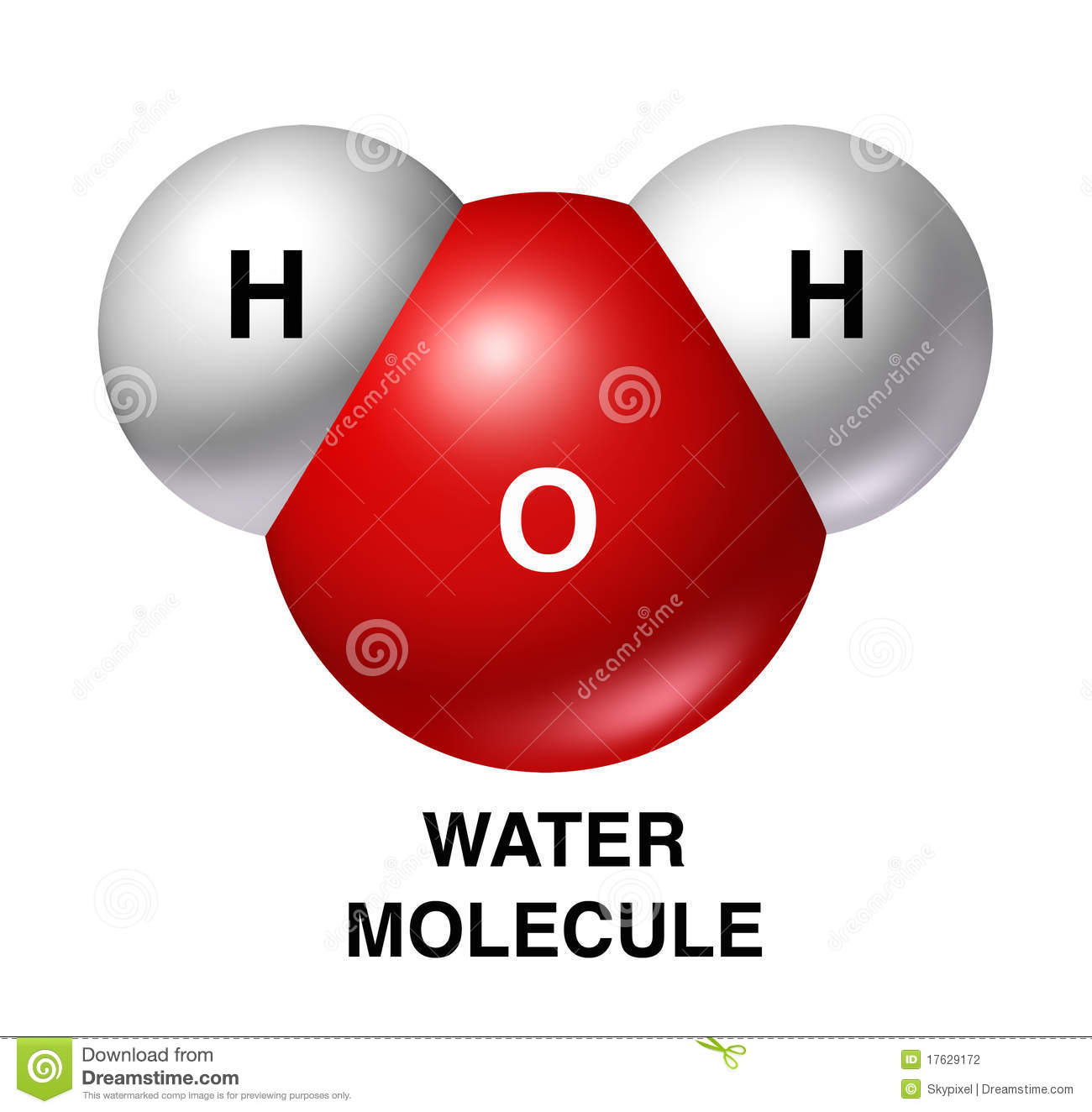
Which part of a water molecule has a Positive Charge?
27
Multiple Choice
Water Properties
Show answer
Auto Play
Slide 1 / 27
SLIDE

