

Evolution and Adaptation

Presentation
•
Science
•
8th Grade
•
Practice Problem
•
Easy
+12
Standards-aligned

Garfield Baker
Used 147+ times
FREE Resource
55 Slides • 38 Questions
1
Change over time (Evolution and Adaptation)

2
Open Ended
3
4
Open Ended
5
What is adaptation?
Adjustments made which enables organisms to function unction better in an environment in the process ehance their chance of survival

6
Adaptations can be:
Physical
Physiological
Behavioral

7
Physiological Adaptation
These are processes which takes place internally which protects the organisms from the changes that takes place in the environment
Ex. A snake produces toxin to protect itself
An opposum playing dead to detract predator

8
Open Ended
9
Physical Adaptations
External features that organism develop to help them adjust to the environment
Ex. Cacti having prickles that prevent loss of water
Hard shells on crabs

10
Open Ended
11
Behavioral
These are actions that animals take in response to change in environment
Ex. Bears hibernating in winter
Snake hissing
Dog growling
Plants losing leaves in winter

12
Open Ended
13
Multiple Choice
14
Multiple Choice
15
Multiple Choice
16
Multiple Choice
17
Multiple Choice

What type of adaptation is shown in picture ?
18
Multiple Choice

What type of adaptation is shown in picture ?
19
Open Ended
20
21
How does evolution take place?
Artificial Selection
Natural Selection

22
Artificial selection
Humans carefully select traits or characteristics that are passed on to offspring

23

24

25

26

27
Natural Selection
Natural selection can be defined as the process by which nature randomly select traits in a consistent, orderly which enables an organism to adapt to its environment
Mutation takes place during Natural Selection

28
Mutation
Occur when there is a change in the way the DNA is replicated
can result in organisms that are slightly different.
Most have no effect on the organism, but they can be passed down to the next generation.
Overtime mutations could result in an entirely different organism

29
Survival of the fittest
Organisms that can adapt are more likely to survive
This is called Survival of the Fittest

30
Gradualism
Changes are usually not sudden
They show up gradually over time in each successive generation
This is called Gradualism

31
Variation
Variations are the differences that we observe in organisms of the same species
Ex. Dog is a specie but there are differences in some features among breeds of dogs such as size or fur thickness

32
Multiple Choice
33
Multiple Choice
34
Charles Darwin
Called Father of Evolution
Noticed that different finches on Galapagos Island had different beaks from mainland finches
Each beak was suited to food that was available in particular location
He concluded that Nature determined the beaks of the different finches over time

35
Darwin unlike Jean Baptiste Lamarck believe new specie evolved from existing species
He believed that all living things are of common descent
As organisms are descended there are modifications which makes them able to survive in environment

36
Multiple Choice
37
Multiple Choice
38
39

Evolutionary Tree
40
3 Domains
BACTERIA : One cell, no nucleus
ARCHAEA: One celled organized nucleus and cell wall
EUKARYA : Single or multi cell, Nucleus, heterotroph or autotroph

41
From the 3 Domains 6 Kingdoms
Animalia
plantae
Fungi
Protista
Eubacteria
Archaebacteria

42
Kingdom subdivided:
Phylum
Class
Order
Family
Genus
Species

43
44
Ex. Coyote and Wolf
Eukarya : Domain
Animalia : Kingdom
Phylum : Chordata
Class : Mammalia
Order : Carnivora
Family : Canidae
Genus : Canis

45
The difference
They belong to different species
The Coyote Latrans
Gray Wolf lupus
The coyote scientific name is Canis latrans
The Grey Wolf Canis lupus

46
Evidence of Biologogical Evolution
Homologous features
Vestigial structures
Genetics
Embryological Similarities
Analogous features

47
Homologous Features
Common features which indicate common ancestry
Ex. the fore limb of whales , dogs , humans and bird appears the same

48
Analogous
Similar features develop in organisms which are not related or share similar ancestry.

49
Ex. arctic fox and the ptarmigan , both undergo seasonal changes of color from dark to snowy white.
They are not related or share similar ancestry

50

51

52
Vestigial
structures
Features which are homologous, but they are not functional
Example tail bones in humans are homologous (Tail) but they are not functional

53
Genetics
All organisms contain DNA
The combination of DNA determines offspring
Combinations which are closer will appear similar

54
Embryo
Most embryo of living things look alike
Embryos have structures that are not present in the adult form
As they develop they morphed into their specific specie

55
Fossils
Related fossils found in different rock layers show how organisms changed over time
These changes show evolutionary relationships among organisms

56
Multiple Choice
57
Multiple Choice
58
Multiple Choice
59
60
61
Open Ended
62
Open Ended
63
Multiple Choice
64
Multiple Choice
65
Multiple Choice
66
Multiple Choice
67
Open Ended
68
69
Formation of new features
Earths crust has changed over time due to plate tectonics
There was once one large supercontinent called Pangea
The large body of water is called Panthalassa
Overtime the continent split in what is termed Continental Drift

70
Alfred Wegner was the person who first proposed the idea the continents as they are today were once large body but broken apart in what is termed Continental drift

71
What is responsible for Continental Drift ?
Wegner first theorized that the movement of the Earth was what resulted in Continental Drift
Today we know the result is because of Plate Tectonic

72
What is Plate Tectonic
Plate Tectonics is the movement of the Earth's Crust which are located on huge slab of Rocks which are cracked called plates
Beneath the plates are molten material which move through Convection
As this molten material move the plates move

73

74
Results of Plate Tectonic
Seafloor Spreading
Trenches
Volcanoes
Islands
Faults

75
Multiple Choice
76
Multiple Choice
77
Multiple Choice
78
Multiple Choice
79
80
Jig saw Puzzle
The continent of South America and AFrica when come together appears t fit
This indicate that they were once together

81
Fossils
Fossils of similar organisms found in South America are also found in West Africa
For example the Mesosaurus found in both continents would be too large and swim too long
This indicate that at some point they were in same place

82

83
Other Geological Changes
Rise in temperature causing snow to melt and a rise in sea-level
Land is lost in the process

84
Other Geological Changes
Weathering and Erosion
Features that were once in existence are removed or modified by the force of Water and Wind
For Ex. the grand canyon was formed as a result of water

85
Open Ended
86
Multiple Choice
87
Multiple Choice
88
Multiple Choice
89
Multiple Choice
90
Multiple Choice
91
Multiple Choice
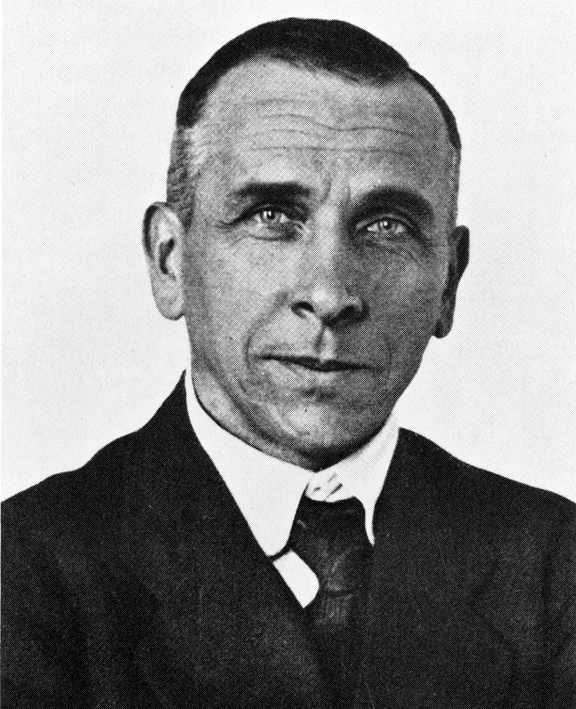
Who is the person credited with developing the theory of continental drift?
92
Multiple Choice
93
Change over time (Evolution and Adaptation)
Show answer
Auto Play
Slide 1 / 93
SLIDE


