

Quarter Two Review

Presentation
•
Social Studies
•
7th Grade
•
Medium
Kelly Brabant
Used 6+ times
FREE Resource
15 Slides • 36 Questions
1
Quarter Two Review

2
Topics on the Quarter Two Test
Events that led to the writing of the Declaration of Independence
Ideas set forth in the Declaration of Independence about natural rights and the role of the government
Political Parties and their ideas about government

3
Topics on the Quarter Two Test
Evaluating a candidate for office (qualifications, experience, issue-based platforms, debates, ads)
Impact of interest groups, media, and individuals on government
Bias, symbolism, propaganda

4
Describe how English policies and responses to colonial concerns led to the writing of the Declaration of Independence.
5
HIGHLIGHTS!
The English government started taxing the colonists to help pay off their war debt from the French and Indian War
The colonists were upset because they had NO representation in Parliament and no one asked for their consent, or approval ("Taxation Without Representation!!")
Stamp Act = put a tax on paper goods (eventually repealed, but then is replaced with more taxes)
Quartering Act = colonists had to house British Troops
6
Analyze the ideas (natural rights, role of the government) and complaints set forth in the Declaration of Independence.
7
HIGHLIGHTS!
Thomas Jefferson includes John Locke's ideas of natural rights are found in the Declaration of Independence
Life, liberty, and the pursuit of happiness
These are unalienable rights = rights that we are born with and that cannot be taken away
Purpose of Government = protect the rights of the people!
If a government fails at protecting our rights, we can change it or get rid of it
Grievances (complaints) against the King = forced us to quarter troops, took away our legislatures, took away our right to trial by jury, taxes us without our consent
8
Multiple Choice
Which act required American colonists to house and feed British soldiers?
Quartering Act
Intolerable Acts
Tea Act
Townshend Acts
9
Multiple Choice
What was England's biggest problem after victory in the French and Indian War?
Rebuilding their navy
The loss of land
Indian relocation
Heavy debt
10
Multiple Choice
What would have been a good slogan for the colonists leading up to the signing of the Declaration of Independence?
We love tea. Give us more tea!
No taxation without representation.
King George III is upholding the social contract.
Let's all be loyal to the King and parliament.
11
Multiple Choice
If the government doesn't uphold its end of the social contract, how should citizens respond?
unalienable/ natural rights
consent of the governed
alter or abolish the government
equality
12
Multiple Choice
What is basic rights of the people that may not be taken away?
unalienable/ natural rights
consent of the governed
right to alter or abolish the government
equality
13
Multiple Choice

The passage below is from a historical document.
Based on the passage, where should governments get their power?
from the legislative branch
from the executive branch
from elected leaders
from the citizens
14
Multiple Choice

The passage below is from a historical document.
What is the main idea of this passage?
Only citizens can enjoy the rights guaranteed by a government.
People have rights that cannot be denied by any government.
Government must equally distribute power among people.
Government is necessary to promote equality.
15
Multiple Choice
Why did Parliament eventually repeal the Stamp Act, which taxed goods such as newspapers and playing cards?
The colonists established a blockade against British goods.
The colonists were able to produce their own goods.
The colonists started destroying British goods.
The colonists began boycotting British goods.
16
Multiple Choice
Which document addressed colonial concerns about English policies?
Declaration of Independence
Mayflower Compact
Magna Carta
English Bill of Rights
17
Identify America's current political parties and illustrate their ideas about government.
18
HIGHLIGHTS!
Republican Party = lower taxes, less government
Democratic Party = higher taxes to help those who need it, more government
Socialist Party = FREE health care and college education, even MORE government involvement to make things fair
Communist Party = revolution of the WORKERS, elimination of social classes, government equally distributes goods
Libertarian Party = minimal government involvement, personal freedom, absolute freedom of speech and religion
19
Multiple Choice
Which of the following statements is true about REPUBLICANS?
They tend to favor tax increases (especially for the wealthy)
They want the government to make and run lots of social programs to help citizens
They want government to be small and to play a small role in people's lives
They favor keeping taxes the same.
20
Multiple Choice
Which of the following statements is true about DEMOCRATS?
They tend to favor tax increases (especially for the wealthy) to support new social programs
They tend to favor tax decreases
They want government to be small and to play a small role in people's lives
They favor keeping taxes the same.
21
Multiple Choice
What are the names of the two major political parties in the United States today?
Democratic and Republican
Democratic and Libertarian
Socialist and Republican
Socialist and Libertarian
22
Multiple Choice
A political party that believes in democratic government but also that the government should run some of the largest parts of the economy, supports programs like free college education and healthcare
Socialist Party
Republican Party
Democratic Party
Communist Party
23
Multiple Choice
A political party that believes that the federal government should take a more active role in people's lives, particularly those who are in need
Libertarian
Republican
Democratic
Socialist
24
Multiple Choice
A political party that believes that the federal government should play a less active role in people's lives and that individuals can take care of themselves without government help
Socialist Party
Libertarian Party
Republican Party
Communist Party
25
Multiple Choice
A political party that believes in individual freedom and believes the only purpose of government is to protect this freedom
Republican Party
Socialist Party
Democratic Party
Libertarian Party
26
Multiple Choice
The statement below is from a political party platform.
We, the workers and our allies, need to take power from the hands of the wealthy few, their corporations, and their political operatives.
Which political party’s position is represented in the statement?
Communist
Democratic
Republican
Socialist
27
Evaluate candidates for political office by analyzing their qualifications, experience, issue-based platforms, debates, and political ads.
28
HIGHLIGHTS!
Qualifications = the legal requirement for a political office
Qualifications for President = 35 years old, natural-born citizen, 14 years living in the US
Qualifications for Senate = 30 years old, 9 years a citizen, live in the STATE you want to represent
Experience = shows people that the person knows what they are doing, have held a similar position
Platform = the candidate's views on the issues
29
Multiple Choice
A local newspaper endorsed (approved) Mayor Sanford in a state senate race over his opponent. Why might the newspaper endorse Mayor Sanford?
Mayor Sanford owns a local farm
Mayor Sanford is an elected official
Mayor Sanford is an experienced teacher
Mayor Sanford owns a local radio station
30
Multiple Choice
Which of the following IS NOT a Constitutional requirement to be president of the United States?
Natural born U.S. citizen
at least 35 years of age
must reside in the U.S. for 30 years
31
Multiple Choice
Which of the following IS NOT a Constitutional requirement to be a Senator of the United States
At least 30 years of age
Citizen of the U.S. for at least 9 years
May reside in any state
32
Multiple Choice
Which of the following IS NOT a CANDIDATE QUALIFICATION that voters should consider when voting?
A candidates political platform
their voting record
work experience
education
personal preferences in diet or clothing
33
Examine the impact of media, individuals, and interest groups on monitoring and influencing government.
34
HIGHLIGHTS!
Individuals = vote, petition, protest, write letters to members of Congress, run for political office
Media = serve as a "watchdog", lets the citizens know if there is anything wrong doing in government
Interest groups = endorse candidates, form Political Action Committees to given candidates $, hire lobbyists to talk to members of Congress and convince them to pass laws that are favorable to the interest group
35
Multiple Choice
36
Multiple Choice
37
Multiple Choice
38
Multiple Choice
What is the media?
Organization concerned with a particular issue. Gather people and resources to support public policies that help members.
Political organization that promotes the cause of a particular interest group, usually through raising money
the source of news and info about current events
39
Multiple Choice
What is an interest group?
Organization concerned with a particular issue. Gather people and resources to support public policies that help members.
Political organization that promotes the cause of a particular interest group, usually through raising money
the source of news and info about current events
40
Multiple Choice
What is the main purpose of Political Action Committees (PACs)?
pooling money to give to candidates running for office
convincing politicians to support their interest group's positions with their decisions
providing politicians with unbiased information to increase the common good
endorsing candidates that support their personal views and agree with their platform
41
Multiple Choice
What is the connection between politicians and the media?
The media doesn't need politicians. It sets the public agenda on its own.
Politicians don't need the media. They can campaign without the help of the press.
Politicians depend on the media to get their message out but are worried that the media will cover them negatively.
The media covers politicians positively if that person has paid them for advertisements.
42
Multiple Choice
What is the main purpose of lobbyists?
pooling money to give to candidates running for office
giving info to convince politicians to support their interest group's positions with their decisions
providing politicians with biased information to increase the common good
endorsing candidates that support their personal views and agree with their platform
43
Analyze media and political communications (bias, symbolism, propaganda).
44
HIGHLIGHTS!
Propaganda = to persuade, or influence, individuals of something (usually using emotional appeals)
Bias = an OPINION, or one-sided view
Symbolism = the use of something to represent another thing
45
Multiple Choice

Bias means _____________ one view over another view.
supplementing
favoring
opinioning
hosting
46
Multiple Choice
Research studies show that eating tomatoes lower the risk of cancer because they contain lycopene.
This sentence is a:
Fact
Opinion
47
Multiple Choice
"Eating tomatoes is one of the best things you can do."
This sentence is a:
Fact
Opinion
48
Multiple Choice
What influencing techniques uses images or pictures to convey a message?
symbolism
bias
propaganda
49
Multiple Choice
What influencing technique spreads ideas with the purpose of helping or hurting a particular candidate?
symbolism
bias
propaganda
50
Multiple Choice
Which represents an opinionated, one sided point of view?
symbolism
bias
propaganda
51
Multiple Choice
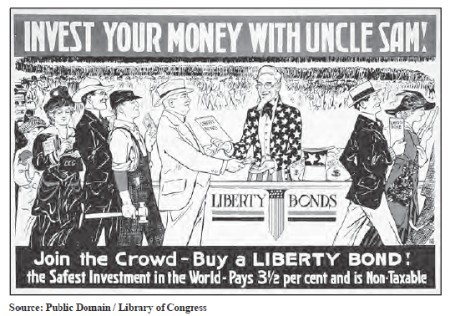
Which type of communication is shown in this poster?
accurate
biased
informational
propagandized
Quarter Two Review
Show answer
Auto Play
Slide 1 / 51
SLIDE
Similar Resources on Wayground

45 questions
SS7G6: Environmental issues SW Asia
Presentation
•
7th Grade
47 questions
Elkhorn History Images
Presentation
•
KG
49 questions
History of Southwest Asia: U.S. Involvement in SW Asia (SS7H2d)
Presentation
•
7th Grade
46 questions
Linear Relationships Notes - 4/26
Presentation
•
7th Grade
45 questions
G7 - Review Lesson 3
Presentation
•
7th Grade
46 questions
KS History Chapter 3
Presentation
•
7th Grade
41 questions
West African Cultural Legacies
Presentation
•
7th Grade
48 questions
Nervous System Notes
Presentation
•
7th Grade
Popular Resources on Wayground
21 questions
Continents and Oceans

Quiz
•
6th Grade
20 questions
Parts of Speech
Quiz
•
5th Grade
16 questions
Subject & Predicate
Quiz
•
5th Grade
25 questions
Multiplication Facts
Quiz
•
5th Grade
12 questions
Map Skills
Quiz
•
3rd Grade
22 questions
Continents and Oceans
Quiz
•
5th Grade
15 questions
Rounding Decimals
Quiz
•
5th Grade
20 questions
Brand Labels
Quiz
•
5th - 12th Grade
Discover more resources for Social Studies
10 questions
Exploring the Age of Exploration: Key Events and Figures

Interactive video
•
6th - 10th Grade
12 questions
13 Colonies Geography and Economy
Quiz
•
7th Grade
26 questions
SW Asia History
Quiz
•
7th Grade
15 questions
Historical Inquiry Vocab Quiz
Quiz
•
6th - 8th Grade
20 questions
US Involvement in the Middle East
Quiz
•
7th Grade
19 questions
Influencing Govt (Interest Groups-Media)
Quiz
•
6th - 8th Grade
8 questions
Notes: Argumentative Writing
Presentation
•
7th - 8th Grade
5 questions
American Revolution
Interactive video
•
7th Grade