Search Header Logo
Ecology Review - Day 2

Ecology Review - Day 2

Assessment

Presentation

Science

9th Grade

Medium

NGSS
MS-LS2-3, MS-LS2-2, MS-LS4-4

+10

Standards-aligned

Created by

Elizabeth Ngo

Used 22+ times

FREE Resource

10 Slides • 20 Questions

1

Ecology Review

Day 2
Slide image

2

Slide image

3

Slide image

4

Slide image

5

Multiple Choice

Question image
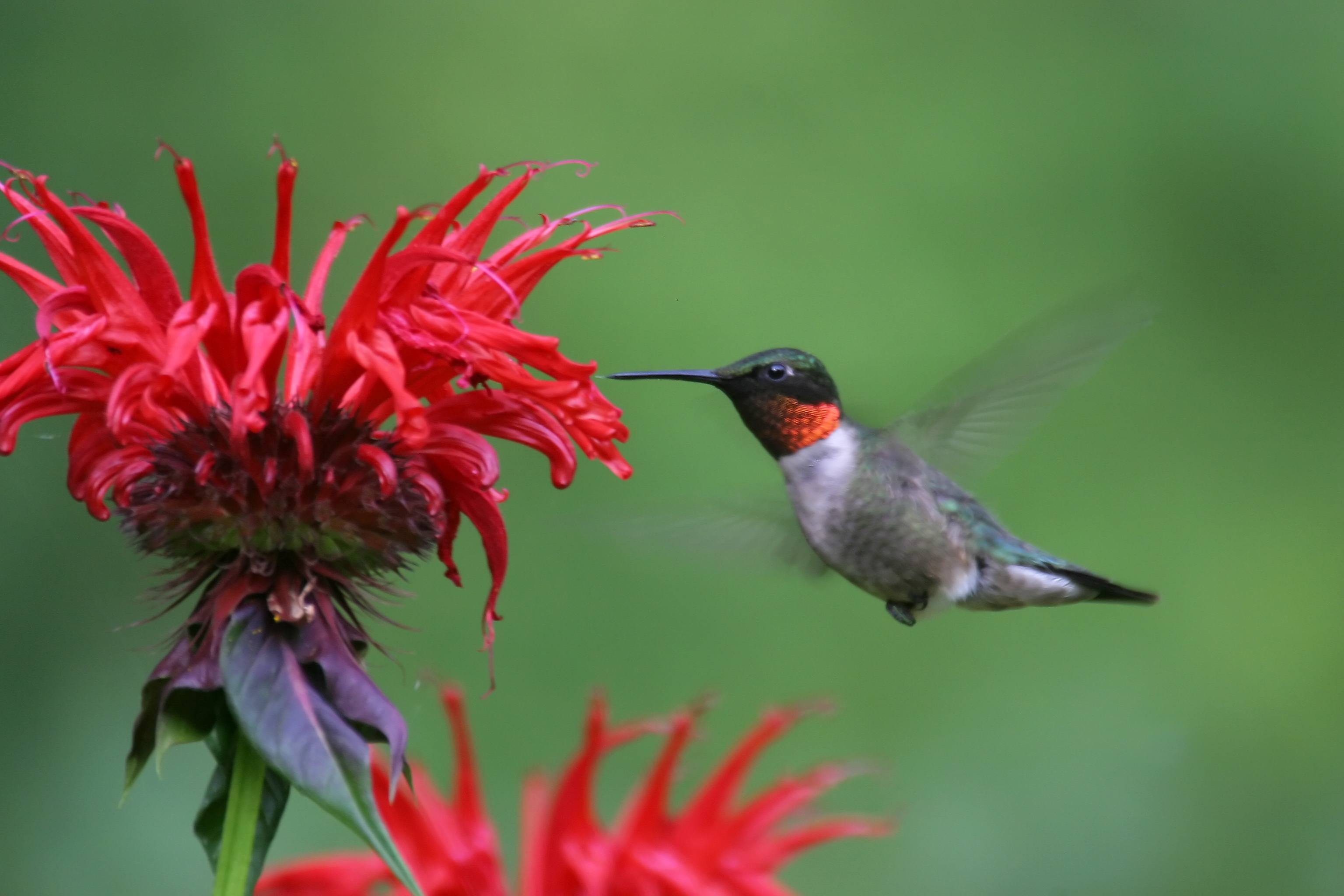
What type of symbiosis?  Hummingbirds feed on nectar from flowers.  The flowers are pollinated by hummingbirds as they move from flower to flower.
1
commensalism
2
mutualism
3
parasitism
4
predation

6

Multiple Choice

Question image
Cattle egrets forage (feed) in fields among cattle. The egret gets easy access to flying insects stirred up by the cattle, and the cattle don't care if they are there or not.
1
mutualism
2
commensalism
3
competition
4
parasitism

7

Multiple Choice

Question image

Aphids are tiny insects that live on and eat the leaves of plants, removing vital nutrients from the plants.

1

Predation

2

Parasitism

3

Commensalism

4

Mutualism

8

Multiple Choice

A relationship between two organisms in which both organisms benefit. 
1
Mutualism 
2
Competition
3
Parasitsm 
4
Commensalism 

9

Multiple Choice

A relationship between two organisms in which one organism benefits and the other is unharmed...
1
Mutualism 
2
Competition
3
Parasitsm 
4
Commensalism 

10

Slide image

11

Slide image

12

Multiple Choice

How do adaptations help animals?
1
To escape animals
2
to hunt for food
3
to survive in their habitats
4
All of these are correct

13

Multiple Choice

Which of the following is a physical adaptation for the underlined animal?
1
A butterfly has bright colors to warn predators that it is poisonous.
2
A hognose snake rolls over, slows its breathing, and hangs its tongue out to play dead.
3
A herd of buffalo encircle their young to protect them from a pack of wolves.
4
A dung beetle rolls a piece of dung across the desert.

14

Multiple Choice

Which adaptation (for the underlined animal) serves the function of defense?
1
A walking stick looks like the twig on which it rests.
2
A porcupine’s quills cause a predator to seek another meal.
3
A whale filters plankton and krill from the water in which it swims.
4
A penguin is dark on top and white below to blend in with the water.

15

Multiple Choice

A giraffe has a long neck in order to better reach leaves to eat.  This is an example of _____. 
1
an adaptation
2
environment
3
response
4
stimulus

16

Multiple Choice

Question image
Which feature helps an animal hide from other animals?
1
looking like a dangerous animal
2
being the same color as the place it lives (camoflauge)
3
having sharp claws or a strong shel
4
having only a few young and caring for them

17

Slide image

18

Slide image

19

Slide image

20

Multiple Choice

After a volcanic eruption, lava covers the land. What is the order that plants grow to repopulate the area?
1
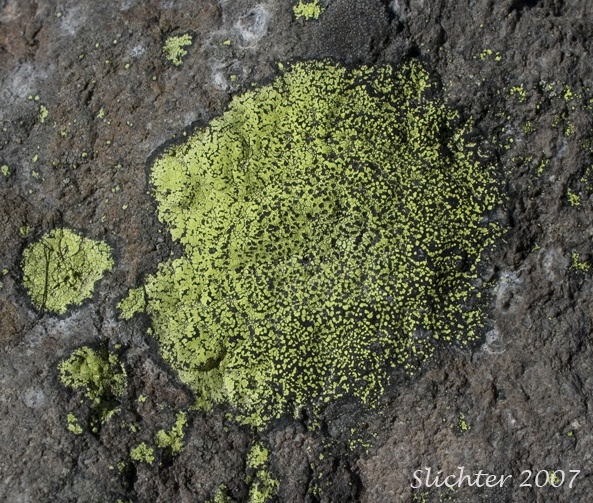
Lichens → Shrubs → Grasses → Trees
2
Lichens → tree → shrubs→Grasses
3
Grasses → Lichens → Shrubs → Trees
4
Lichens → Grasses → Shrubs → Trees

21

Multiple Choice

Succession that occurs in an area with NO SOIL
1
ecological succession 
2
primary succession 
3
secondary succession
4
pioneer speciles

22

Multiple Choice

Question image
What is the most important function of pioneer species?
1
To create rocks
2
To create soil and add nutrients to the environment 
3
To look nice
4
Food for animals 

23

Multiple Choice

Reaches a climax community quicker because soil is already present
1
primary succession 
2
secondary succession
3
both types of succession

24

Multiple Choice

Question image
What is the name given to lichen or algae after a primary succession?
1
pioneer species
2
volunteer species
3
founder species
4
conqueror species

25

Slide image

26

Multiple Choice

Which human activity contributes the MOST carbon dioxide to the atmosphere?
1
Fishing
2
Breathing
3
Burning Fossil Fuels
4
Farming

27

Multiple Choice

Which of the following is NOT a method of energy conservation?

1

taking public transportation to work (bus, subway)

2

riding your bike to work

3

walking to work

4

driving alone in your car to work

28

Multiple Choice

Which of the following is NOT a source of pollution in the ocean?

1

Nitrogen and phosphorus from fertilizers used on land.

2

Oils found on city streets.

3

Sand drifting along the bottom of the ocean floor.

4

Emissions from gas-burning vehicles.

29

Multiple Choice

Which human activity would most likely deplete nonrenewable resources?
1
use of natural enemies to eliminate insect pests
2
development of wildlife refuges 
3
governmental restriction of industrial pollution 
4
increased use of fossil fuels

30

Multiple Choice

Which human activity would preserve nonrenewable resources?
1
deforestation
2
removing carnivores from a forest 
3
recycling
4
heating homes with fossil fuels  

Ecology Review

Day 2

Slide image

Show answer

Auto Play

Slide 1 / 30

SLIDE