
Search Header Logo
26101-20 Occupational Overview: The Electrical Industry

26101-20 Occupational Overview: The Electrical Industry

Assessment

Presentation

•

Instructional Technology, Other

•

11th - 12th Grade

•

Practice Problem

•

Medium

Created by

Jeff Bertke

Used 64+ times

FREE Resource

24 Slides • 10 Questions

1

26101-20 Occupational Overview: The Electrical Industry

Slide image

2

Section 1.0

Identifying Sectors and Career Options in the Electrical Industry

1.1.0 Residential Wiring System

1.20. Commercial Wiring Systems

3

Multiple Choice

What one of these is not part of a common residential service

1
2
3
4

4

1.1.0 Residential Wiring System

  • The Service includes Transformer, Meter, and load center.

  • Rough-in: Installing the service and boxes and wiring that will be hidden in the walls primarily.

  • Trim out involves the finish work(installing the lights and can trims, installing devices and cover plates.

5

1.20. Commercial Wiring Systems

  • Service Includes a transformer, CT cabinet, meter, panelboard.

  • We install much of the wiring in a commercial building in a raceway system.

  • RACEWAY SYSTEM:(Enclosures that house the conductors in an electrical system(such as conduit, fittings and boxes.

6

Commercial wiring is found in office buildings, grocery stores, machine shops, and school buildings just to name a few.

  • Commercial systems also have the following that residential may not.

  • Fire alarm systems

  • Outdoor site lighting

  • Conduit systems.

7

Poll

What of the following is a commercial only device.

8

1.3.0 Industrial Wiring Systems

These electricians work in hazardous environments.


They are split into 2 groups

Installers: These electricians install the equipment the first time and leave

Maintenance electricians: These electricians keep the equipment operational and may make upgrades as needed.

9

Fill in the Blank

RACEWAY SYSTEM:(Enclosures that house the conductors in an electrical system(such as _______, fittings and boxes.

10

1.3.0 Industrial Wiring Systems

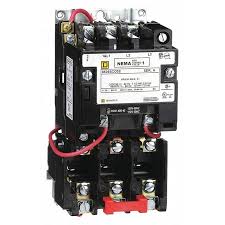
These electricians work with motors and motor starters to make machines move.

They also use RMC: Rigid Metal Conduit. This is different from the EMT we have been using. RMC is thicker and able to be threaded together.

Slide image

11

1.3.0 Industrial Wiring Systems

  • These electricians also work with Switch Gear and transformer to control motors and change voltages.

Slide image

12

1.4.1 Residential Electrician

Residential Electricians often work as Individual Contractors and work directly for the general contractor

Individual contractors: are responsible for INSURANCE, TAXES, PERMITS, and TOOLS. They are self Employed contractors

Slide image

13

1.4.2 Commercial Electrician

Typically are employed by an Electrical Contractor. The company acts as a subcontractor for the general contractor on a job. Most electricians are considered commercial electricians.

Slide image

14

Multiple Choice

The termination of devices and fixtures is completed during which phase of construction?

1

Final Finish

2

Rough In

3

cleanup

4

Trim-Out

15

1.4.3/1.1.4 Service Electricians and Remodeling Contractors

  • Service electricians are great troubleshooters. They are tasked with making repairs and upgrades to current electrical systems.

  • Remodeling contractors focus on renovating existing buildings and rewiring the building or wiring the new renovation.

16

1.4.5 Industrial Electrician

  • The Industrial Electrician is the most specialized of the groups we have mentioned.

  • They work in hazardous classification areas.

  • They also work with 3phase motors and motor starters and motor control centers.

  • They also run conduits and install instrumentation equipment to control flow and regulate products thought the plant.

  • Lastly, the electrician needs to be able to troubleshoot and repair the system if problems arise during installation.

17

Multiple Choice

The electrician needs to be able to troubleshoot and repair the system if problems arise during installation.

1

Electrical Maintenance Electrician

2

Industrial Electrician

3

Residential Electrician

4

Service Electrician.

18

1.4.6 Electrical Maintenance Technician

These Electricians work in commercial and industrial facilities.


These electricians work for the company and are employed by the facility.


They may be referred to as E&I technicians because they work on Equipment and Instrumentation.
Slide image

19

Multiple Choice

What type of electrician works in a hazardous location and installs RMC

1

Residential Electrician

2

Industrial Electrician

3

Service Electrician

4

Commercial Electrician

20

Utility Substation Electrician

These Electricians are trained in the construction, operation, and repair of Electrical Substation facilities.

Slide image

21

1.4.8 Maritime Electrician

This Electrician Work for Shipbiliders and ship repair facilities. These Electricians are not regulated by the National Electrical Code(NEC).

They follow the American Bureau of Shipping (ABS) or the Institute of Electrical and Electronics Engineers(IEEE) or the US Navy.

Slide image

22

Multiple Choice

Employers of commercial electricians are often electrical contractors who work as subcontractors for?

1

large electrical contractors

2

standards organizations

3

general contractors

4

individual contractors

23

Training and Apprenticeship Process for Electricians

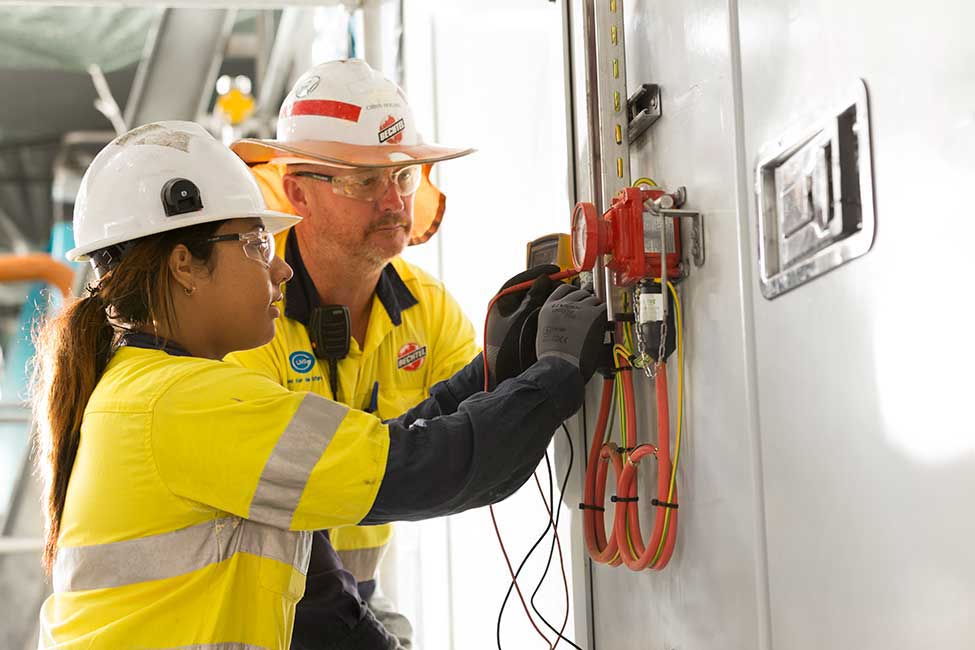
(OJL) On the Job Learning: Learning that occurs on the job site under the supervision of a journeyman electrician. Apprentices need 2000 hours of OJL per year for a total of 8000 hours over the 4-year program.
Slide image

24

2.1.0 DOL Apprenticeship Standards

The DOL(Department of Labor) sets the standards for apprenticeship training programs.


Classroom:144hours per year or 576 total

OJL: 2000 hours/year for a total of 8000 hours.


Slide image

25

Apprentice Requirements

  • The program is competency-based( you need to show hands-on tasks competency).

  • Every 1000 hours you will typically get a review and a pay increase.

  • You may need to pass the (GABT)General Aptitude and Battery test.

  • Be ready to provide your school transcript.

  • You may also have a physical test to make sure you are fit enough to do the job.

26

Licensing

  • After completing the apprenticeship training you can sit for the state or local licensing exam.

  • If you can get your license you can become an Independent Contractor.

  • As an independent contractor, you are responsible for your own insurance and the quality of your work. You are also liable and need to carry liability insurance to make sure you are protected.


27

Multiple Choice

The NCCER electrical Training program applies DOL standards and is a _____year program.

1

1

2

3

3

4

4

2

28

Employee responsibilities

  • You must be able to use the current trade materials, tools, and equipment to finish the task quickly and efficiently.

  • You must keep up to date on technical advancements and code changes.

  • You must also never take chances with your personal safety.

29

Employee responsibilities

  • Be Professional(Your behavior and attitude and appearance and communication)

  • Be Honest

  • Be Loyal and respectful. ( Be a positive promotion for the company/ if you can't do that then find new employment)

  • Be Willing to Learn. ( If someone explains something to you listen with an open mind and try to learn from the exchange.

  • Take responsibility for your actions

  • Show up every day and on time.

30

Multiple Choice

Entry into an apprenticeship program is likely to require a(n)_

1

GABT test

2

license

3

Scholastic Aptitude test

4

Osha 40 hour license

31

Employee responsibilities

  • You must follow the rules and regulations of the corporation and Jobsite.

  • You must also report any safety issues on the site or with equipment to a supervisor.

  • Follow OSHA Standards to help prevent injury and death.

  • NFPA 70E Standards for Electrical Safety in the workplace is in place when working on or near energized electrical equipment.


32

Employer Responsibilities

  • In 1970 the Occupational Safety and Health Act set these rules out and established OSHA to enforce these standards.

  • The employer must provide a safe workplace for all employees

  • The employer must show you how to do the job safely.

  • The employer must provide you with PPE

  • The employer must supervise you for safety and warn you of any known hazards.

33

Osha Standards

General Industry: CRF 1910


Construction Industry: CFR 1926

Slide image

34

Multiple Choice

The minimum standards for the safe installation of electrical systems can be found in the ________.

1

OSHA 29 CFR 1910

2

National Electrical Code

3

NFPA 70E

4

NCCER

5

OSHA 29 CFR 1926

26101-20 Occupational Overview: The Electrical Industry

Slide image

Show answer

Auto Play

Slide 1 / 34

SLIDE
