

Search Header Logo
Air and Atmosphere

Air and Atmosphere

Assessment

Presentation

Chemistry

10th Grade

Practice Problem

Medium

Created by

Leong Yew Sheng Nicholas

Used 11+ times

FREE Resource

9 Slides • 9 Questions

1

Air and Atmosphere

- take out your C17 Notes on Air and atmosphere


- take out C17B worksheets (referring to some of the questions)
Slide image

2

Multiple Choice

Question image

Heated copper reacts with oxygen to form black copper(II) oxide. The original volume of air was 50.0cm3.


Which graph shows how the volume of air in the gas cylinder changes during the experiment?

1
2
3
4

3

Multiple Select

Which air pollutants correctly matched to its source?

(Tick more than 1 answers)

1

carbon monoxide produced from complete combustion of fossil fuels

2

nitrogen oxides from internal combustion engines at high temperature

3

nitrogen oxides from exhausts of car engines

4

sulfur dioxide from volcanic eruptions

5

sulfur dioxide from the burning of fossil fuels

4

Open Ended

Question image

Explain why you choose your option for the previous question.

5

Explain why

carbon monoxide is only produced from the incomplete combustion of carbon-containing fuels. During complete combustion of carbon containing fuel, carbon dioxide is formed instead.

6

Open Ended

The burning of hydrogen is a clean energy. The burning of fossil fuels is not a source of clean energy. Suggest the meaning of the term clean energy. (O TYS 2016)

7

Clean energy

Two key points:


1. does not produce pollutants such as ... (give examples)


2. that does not harm the environment


Source of energy that does not produce pollutants such as sulfur dioxide, and it does not harm the environment.

8

Multiple Choice

The table gives the relative concentration of polluting gases in the air in four different industrialised cities.


In which city are limestone buildings most threatened by pollution?

1

sulfur dioxide: 17

nitrogen dioxide: 46

carbon monoxide: 23

2

sulfur dioxide: 32

nitrogen dioxide: 33

carbon monoxide: 30

3

sulfur dioxide: 38

nitrogen dioxide: 40

carbon monoxide: 11

4

sulfur dioxide: 45

nitrogen dioxide: 14

carbon monoxide: 21

9

Open Ended

Question image

Explain why you choose your option for the previous question.

10

Higher concentration

What does it mean?


- There are more pollutant particles present per unit volume.


Which is the most polluted city based on the diagram on the right?

Slide image

11

Open Ended

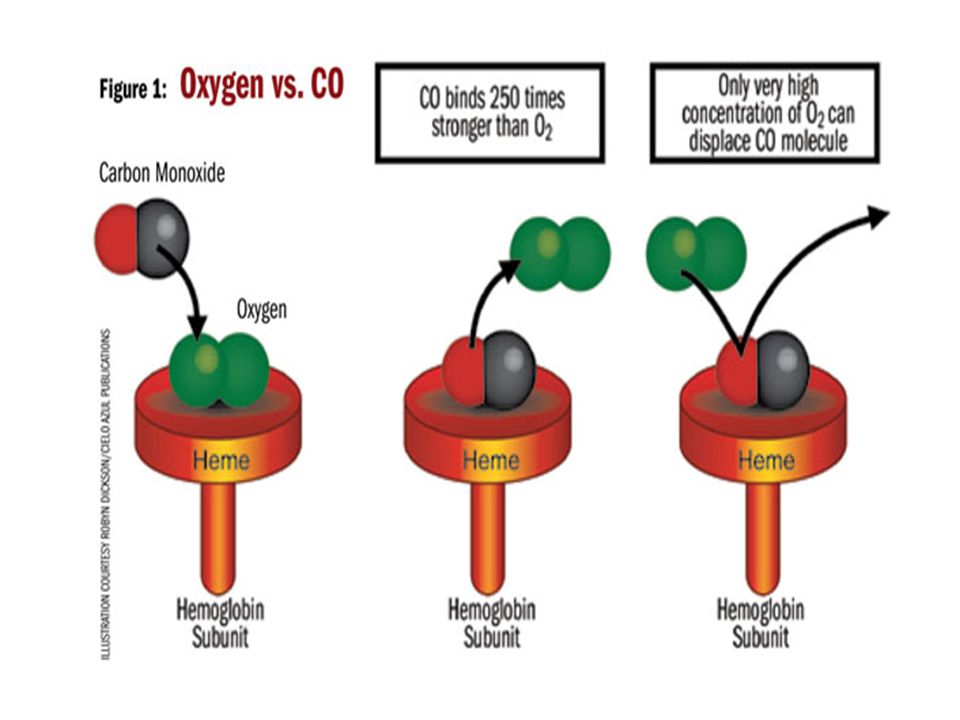
Explain why the incomplete combustion of carbon-containing fuels can be dangerous to people?

12

1. Which pollutant is formed during the incomplete combustion of carbon-containing fuels?


- carbon monoxide
Slide image

13

2. Explain why CO is dangerous to people?

- combined irreversibly with haemoglobin to form carboxyhaemoglobin


- prevent red blood cell from transporting oxygen to the rest of the body


- leading to respiratory difficulties and even death

Slide image

14

Open Ended

Explain why the combustion of fossil fuels can eventually damage building.

15

1. Which pollutant is formed during the combustion of fossil fuels?

- sulfur dioxide (SO2),

- oxides of nitrogen (NO, NO2)

Slide image

16

2. How does SO2 , NO, NO2 damage building?

- dissolve in rainwater to form acid rain


- acid rain corrodes limestone or metal structures on buildings.

Slide image

17

Open Ended

Suggest how does the acid rain react with the limestone or metal structure on building?

(Hint: limestone = calcium carbonate)

18

HW

IP day on 15 Mar: O level Practical Practice

(No make-up for missing the practical, no spare time to do make-up)


- annotate 2017 O level Practical before next mon, 15 Mar 2021.


- ask yourself why are we doing each step


- watch the video afterwards to check your answer. (Wait for link)


Air and Atmosphere

- take out your C17 Notes on Air and atmosphere


- take out C17B worksheets (referring to some of the questions)

Slide image

Show answer

Auto Play

Slide 1 / 18

SLIDE
