Search Header Logo
KA6b chromosome mutations

KA6b chromosome mutations

Assessment

Presentation

Biology

10th - 12th Grade

Easy

Created by

Katie Paget

Used 2+ times

FREE Resource

18 Slides • 9 Questions

1

KA6b chromosome mutations

Katie Paget

Slide image

2

Slide image

3

Slide image

4

Slide image

5

Slide image

6

Slide image

7

Slide image

8

Slide image

9

Slide image

10

Slide image

11

12

Slide image

13

Slide image

14

Slide image

15

16

Slide image

17

Slide image

18

Multiple Choice

A mutation is defined as:

1

A change in the cell's structure

2

Anything that changes in an embryo

3

Any change in the physical features of a human

4

A change in the DNA sequence

19

Multiple Choice

A mutation in which only one nucleotide is altered is called a:

1

Frameshift Mutation

2

Deletion Mutation

3

Point Mutation

4

Insertion Mutation

20

Multiple Choice

Question image

A substitution mutation that has no effect

on amino acids sequence

1

Insertion Mutation

2

Translocation

3

Silent Mutation

4

Deletion Mutation

21

Multiple Choice

Question image

A nucleotide base is inserted or deleted shifting the entire DNA sequence. Entire protein will be changed.

1

Substitution Mutation

2

Silent Mutation

3

Frameshift Mutation

4

Translocation

22

Multiple Choice

Question image

A frameshift mutation where a nucleotide base

is removed from the DNA sequence.

1

Deletion Mutation

2

Substitution Mutation

3

Translocation

4

Silent Mutation

23

Multiple Choice

Question image

Part of a chromosome is reversed.

1

Inversion Mutation

2

Deletion Mutation

3

Translocation

4

Point Mutation

24

Multiple Choice

Question image

Part of a chromosome is repeated

1

Gene Mutation

2

Point Mutation

3

Deletion Mutation

4

Duplication Mutation

25

Multiple Choice

Question image

Part of one chromosome is transported and attached

to a non-homologous chromosome

1

Inversion Mutation

2

Translocation Mutation

3

Duplication Mutation

4

Point Mutation

26

Multiple Choice

Question image

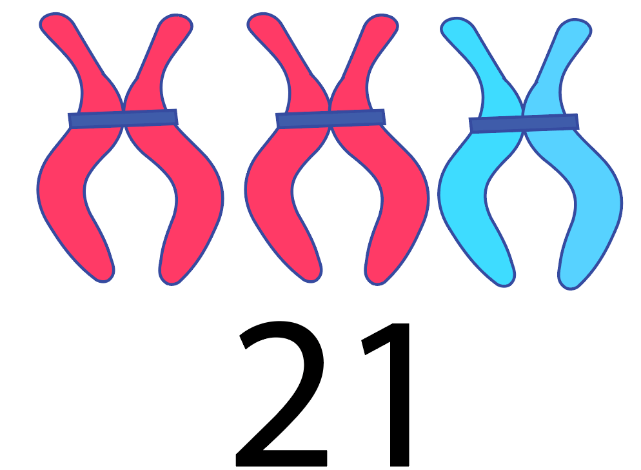
Condition caused by nondisjunction at pair 21 during meiosis.

Individuals have an extra chromosome

at pair 21, or a total of 47 chromosomes.

Also called Trisomy 21.

1

Cystic Fibrosis

2

Translocation

3

Hemophilia

4

Down Syndrome

27

Slide image

KA6b chromosome mutations

Katie Paget

Slide image

Show answer

Auto Play

Slide 1 / 27

SLIDE