Search Header Logo
Cell Transport

Cell Transport

Assessment

Presentation

•

Biology, Science, Special Education

•

9th Grade

•

Easy

•
NGSS
HS-LS1-3, HS-PS1-3, HS-LS2-5

+6

Standards-aligned

Created by

Devon Harris

Used 75+ times

FREE Resource

14 Slides • 29 Questions

1

Cell Transport

Active and Passive transport

Slide image

2

3

Multiple Choice

Question image

What are the two types of cell transport?

1

Passive and Active

2

Active and Facilitated

4

Multiple Choice

In order for the cell to stay alive and maintain homeostasis, it needs to do what?

1

Move objects in and out of the cell

2

keep everything in until it burst

3

get rid of everything

5

Diffusion

  • When particles move from high concentration to low concentration.

  • Some objects can easily pass through the cell membrane without assistance

Slide image

6

Multiple Choice

When particles move from areas of high concentration to areas less concentrated, this has taken place.

1

diffusion

2

mitosis

3

endocytosis

7

Multiple Choice

Which of the following pictures shows a higher concentration?

1
2

8

Facilitated Diffusion

  • A channel or protein is used to help move big particles into and out of the cell

  • They do not require ATP or energy to move in and out

Slide image

9

Multiple Choice

Which type of passive transport only involves water?

1

Diffusion

2

Osmosis

10

Multiple Select

What is DIFFUSION?

1
2
3
4

11

Multiple Choice

Question image

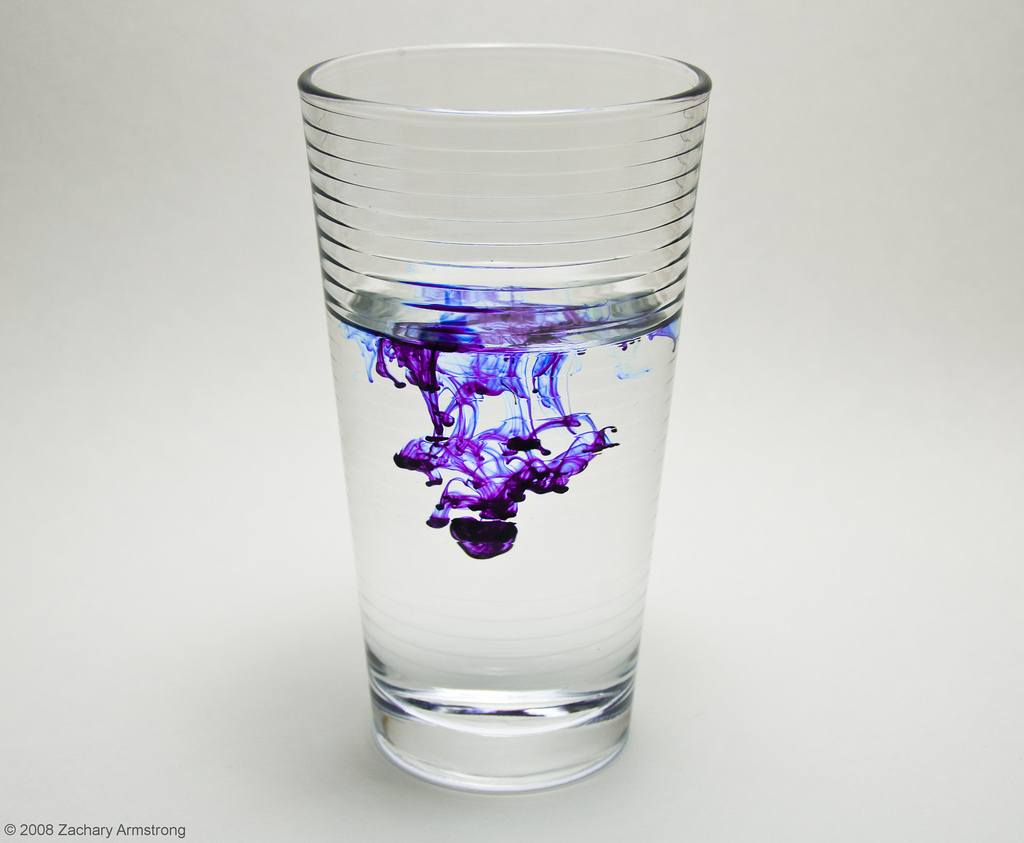
Where is there a low concentration of dye?

1

at the bottom of cup

2

in the color

3

at the top of cup

12

Active Transport

  • If particles are too large or go against the concentration gradient.

  • Requires ATP or energy to move particles in and out.

  • There are three types of active transport: endocytosis, pumps, exocytosis

Slide image

13

Active Transport-Membrane Pump

  • A membrane pump moves substances against the concentration gradient

  • It can substances from a low concentration to a high concentration

Slide image

14

Endocytosis

  • This allows the cell to move larger objects into the cell by engulfing the object and moving it into the cell.

Slide image

15

Multiple Choice

Question image

A process in which cells surround and engulf substances that are TOO BIG to enter the cell is known as...

1

Pinocytosis

2

Phagocytosis

3

Endocytosis

16

Exocytosis

  • Occurs when the cell expels an object outside of the cell

  • They are incased in a vesicle and expelled out of the cell

Slide image

17

Multiple Choice

Question image

This picture represents which type of cellular transport?

1

passive transport

2

endocytosis

3

exocytosis

18

19

Passive Transport

  • When objects move from high concentration to low concentration without assistance

  • Does not require energy

Slide image

20

Multiple Choice

During passive transport, molecultes move from an area of ______ concentration to an area of _____ concentration.

1

higher, lower

2

lower, higher

21

Osmosis

  • The process where particles move water across a semi-permeable membrane

  • It applies to water only

  • Water always move from a hypotonic environment to a hypertonic environment.

  • In other words-water moves towards areas of high salt or sugar concentrations

Slide image

22

Multiple Choice

Osmosis is the movement of _____ across a membrane.

1

food

2

energy

3

water

23

Hypotonic

  • when the solute concentration is greater inside the cells than in the surrounding water.

  • Cause the cell to swell and burst

Slide image

24

Multiple Choice

Question image
What type of solution is this cell in?
1
Isotonic
2
Hypertonic
3
Hypotonic
4
diffused

25

Hypertonic

  • When the water within the cell diffuse(move out) across the membrane and are on the outside of the cell

  • cause the cell to shrink

Slide image

26

Multiple Choice

Question image

Which describes a hypertonic environment?

1

Too much water in the cell will cause the cell to burst - the percentage of water is higher outside the cell than inside the cell

2

Too little water in the cell will cause the cell to shrink - the percentage of water is lower outside the cell than inside the cell

3

Concentrations of water are equal inside and outside the cell

27

Isotonic

  • When the solution is the same inside and outside of the cell

  • it will thrive and survive

Slide image

28

Multiple Choice

Question image

Is it safe to drink salt water?

1

Yum, so salty!

2

No, you could die of dehydration.

29

Multiple Choice

Question image

Which describes an isotonic environment?

1

Too much water in the cell will cause the cell to burst - the percentage of water is higher outside the cell than inside the cell

2

Too little water in the cell will cause the cell to shrink - the percentage of water is lower outside the cell than inside the cell

3

Concentrations of water are equal inside and outside the cell

30

Multiple Choice

During active transport, molecultes move from an area of ______ concentration to an area of _____ concentration.

1

higher, lower

2

lower, higher

31

Multiple Choice

Cells use energy to move materials across a membrane (low to high concentration).

1

Active transport

2

Passive transport

32

Multiple Choice

Question image

Active Transport typically uses ______ to transport materials across the cell membrane.

1

ATP

2

Glucose

33

Multiple Choice

Question image

An animal cell placed in a hypertonic (salty) solution will

1

Stay the same

2

Shrink- get smaller

3

Swell- get bigger

34

Multiple Choice

Active transport requires _____ to move materials across the cell membrane.

1

proteins

2

energy

35

Multiple Choice

Question image

What type of transport is this?

1

Active Transport

2

Facilitated Diffusion

36

Multiple Choice

Question image

The movement of particles from an area of high concentration to an area of low concentration

1

active transport

2

osmosis

3

diffusion

37

Multiple Choice

Question image

The movement of materials that requires energy is called...

1

active transport

2

passive transport

3

massive transport

38

Multiple Choice

Question image

The movement of materials that does NOT require energy is called...

1

active transport

2

passive transport

3

massive transport

39

Multiple Choice

Structure that controls the cellular traffic of the cell.

1

Ribosome

2

Cell Membrane

3

Mitochondria

40

Multiple Choice

Question image

When a cell forms a vesicle around unwanted particles and expels it OUT of the cell.

1

Pinocytosis

2

Endocytosis

3

Exocytosis

41

Multiple Choice

What is the definition of OSMOSIS?

1

Diffusion of water through a selectively permeable membrane

2

Molecular structure that surrounds the cell and controls what enters and leaves the cell

3

Movement of molecules across the cell membrane against the concentration gradient

42

Multiple Choice

Question image

In this image, the cell is using which type of molecular transport?

1

Endocytosis

2

Exocytosis

43

Multiple Choice

Question image

What are the two types of cell transport?

1

Passive and Active

2

Active and Facilitated

3

Passive and Facilitated

Cell Transport

Active and Passive transport

Slide image

Show answer

Auto Play

Slide 1 / 43

SLIDE