

Ancient Greek City-States

Presentation
•
History
•
6th Grade
•
Medium

Abigail Wigger
Used 72+ times
FREE Resource
9 Slides • 12 Questions
1
Ancient Greek City-States

2
Fill in the Blanks
3
4
Fill in the Blanks
5

6
Sparta
located on Peloponnesian Peninsula
center was inland - no sea power
turned to conquest to meet needs
conquered Messenia
helots - slave belonging to ALL of Sparta
forced to farm
provided food for Spartans

7
Multiple Choice
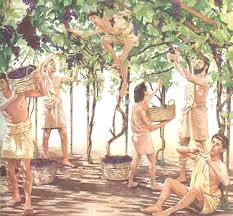
Who were the helots?
8
Spartan Government
mix of monarchy, oligarchy, democracy
led by 2 kings
council of elders - 28 men (oligarchy)
small assembly of free adult males
less power than Athens
5 Ephors - monitored kings/council

9
Multiple Choice
10
A Military State
used conquest to gain resources
needed strong military to prevent revolt of helots
valued military discipline
boys taken at 7 to begin training
military trained at 18 (retire at 60)
powerful army = stable gov.

11
Multiple Choice
12
Social Classes
men's club of soldiers = full citizen
gained membership into assembly
women = strong/healthy for child bearing
greater independence than other city-states
more freedom/responsible for raising future soldiers

13
Multiple Choice

Spartan women had more rights than women in the other city-states.
14
Sparta vs. Athens
(S) feared individual differences/change
(A) valued individual expressions/new ideas
(S) rigid oligarchy/little change
(A) democracy/evolved over time
opposing values = TENSION

15
Sparta vs. Athens
both unable to feed growing population
(S) relied on conquest/slave labor
(A) relied on trade
(S) valued military/obedience
(A) valued education/art/lit.
16
Multiple Choice
17
Multiple Choice
18
Multiple Choice
19
Multiple Choice
20
Multiple Choice
21
Multiple Choice
Ancient Greek City-States
Show answer
Auto Play
Slide 1 / 21
SLIDE


