

Past simple review

Presentation
•
English
•
5th Grade
•
Hard

Ángel Troyano
Used 14+ times
FREE Resource
8 Slides • 4 Questions
1
Don’t worry, be happy
2
Something that occurred in the past and it is finished
It used to go with adverbs like “yesterday”, “last year/night/day...”
3
Remember that the past happened (ocurrió) before the present

4
Ya sea porque termina en -ed (o -ied si termina en "y" el verbo: como en "cry" ----> "cried".
O porque sea irregular (ya sabéis, la columnita que tenéis que aprenderos)
5
Siempre es DID NOT (DIDN'T): I didn't use my pen on the exam.
La herramienta "did" hace que no tengamos que cambiar el siguiente verbo: Did you use your pen in the exam?
6
Aquí tenéis muchísimos verbos (NO AGOBIARSE CON LA TERCERA COLUMNA)
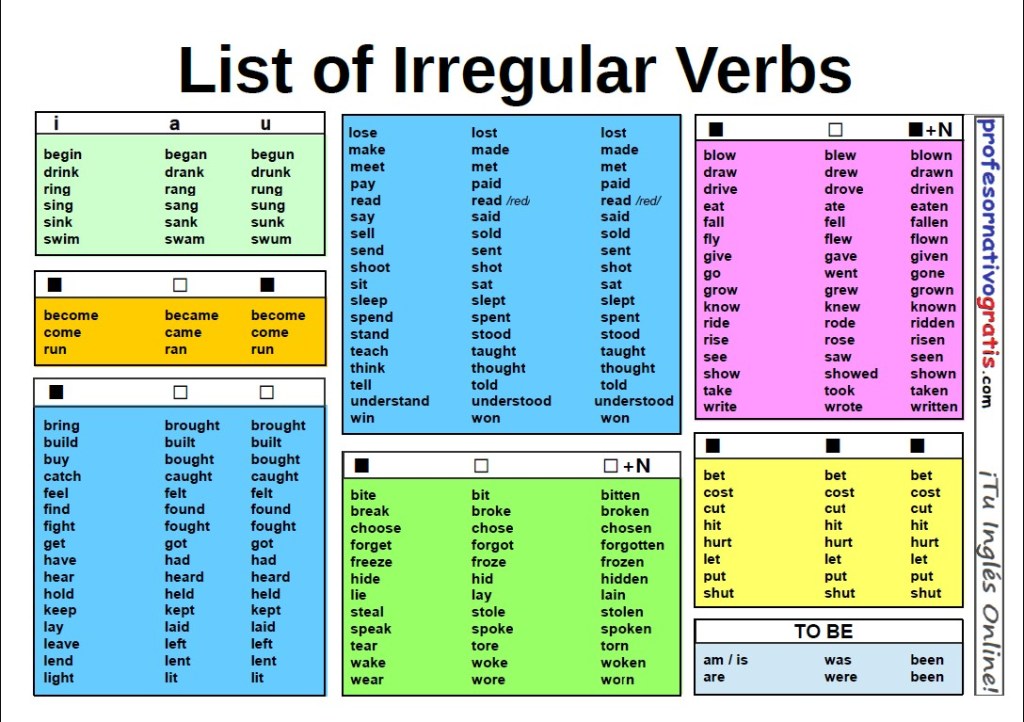
7
Como ya sabéis, tiene sus propias reglas
No le hace falta herramienta para negarse ni preguntar (Lo hace todo él mismo).

8
This is a small example about the use of a REGULAR VERB in the past

9
Multiple Choice
When do we change the verb in the past?
Always
In negative and interrogative
Only in affirmative sentences
Only in negative sentences
10
Fill in the Blanks
We can find 2 types of verbs in the past. What do we need to add (añadir) to put the verb correctly?
Type answer...
11
Multiple Select
Elige la opción correcta
Was I sick (enfermo) yesterday?
Did I be sick yesterday?
Did I was sick yesterday?
12
Multiple Choice
What should you write (que deberías escribir) if you need to put the verb TO BE in negative?
Just add "NOT" (solo añadir NOT): I was NOT at home yesterday
I write did not (didn't) as always (como siempre): I didn't be at home yesterday
Pues pongo didn't como hay que hacer y el verbo TO BE en negativo: I didn't wasn't at home yesterday
Don’t worry, be happy
Show answer
Auto Play
Slide 1 / 12
SLIDE
Similar Resources on Wayground

10 questions
Types of Sentences
Presentation
•
5th Grade
10 questions
RI.5.2
Presentation
•
5th Grade
10 questions
used to
Presentation
•
5th Grade
7 questions
Main Idea and Supporting Details
Presentation
•
5th Grade
8 questions
5th Grade Theme, Summary, and Plot Review
Presentation
•
5th Grade
11 questions
Plymouth Colony
Presentation
•
5th Grade
11 questions
Reflexive pronouns
Presentation
•
5th Grade
8 questions
Vocabulary-Unit 4 Week 4 Wonders
Presentation
•
5th Grade
Popular Resources on Wayground
10 questions
How much do you know about our Portrait of an Eagle?

Quiz
•
10th Grade
10 questions
Fast Food Slogans
Quiz
•
6th - 8th Grade
21 questions
Continents and Oceans
Quiz
•
6th Grade
20 questions
Parts of Speech
Quiz
•
5th Grade
16 questions
Subject & Predicate
Quiz
•
5th Grade
25 questions
Multiplication Facts
Quiz
•
5th Grade
12 questions
Map Skills
Quiz
•
3rd Grade
22 questions
Continents and Oceans
Quiz
•
5th Grade
Discover more resources for English
20 questions
Parts of Speech
Quiz
•
5th Grade
16 questions
Subject & Predicate
Quiz
•
5th Grade
12 questions
Figurative Language Review

Interactive video
•
5th Grade
15 questions
Common and Proper Nouns
Quiz
•
5th Grade
20 questions
4 Types of Sentences
Quiz
•
4th - 5th Grade
20 questions
Main Idea and Details
Quiz
•
5th Grade
18 questions
Main Idea
Quiz
•
4th - 6th Grade
20 questions
Character traits
Quiz
•
5th Grade