

Period 4

Presentation
•
Chemistry
•
4th - 5th Grade
•
Hard

Callie Brooks
Used 5+ times
FREE Resource
38 Slides • 29 Questions
1
Period 4

2
Potassium

3
History:
potash - cleaning agent
Humphry DAvy - 1807

4
Facts:
abundant
highly reactive

5
Uses:
fertilizer
essential to life

6
potassium atom

7
Calcium:

8
History:
1808 - Humphry Davy
Used to make statues

9
Facts:
5th most abundant in body
5th most abudant element on earth
3rd most abudant metal
very reactive

10
11
Calcium atom

12

13
Scandium

14
History:
1879 - Lars Fredik Nilson

15
Facts:
Transition metal
light as aluminum

16
Uses:
Used in color TV, fluorescent lamps

17
History of Periodic Table
Dmitri Mendeleev

18
Multiple Choice
19
Multiple Choice
20
Multiple Choice
21
Multiple Choice
22
Multiple Choice
23
Multiple Choice
24
Multiple Choice
25
Titanium

26
History:
1791 - William Gregor
1795 - Martin Heinrich
1825 - Jons Berzelius

27
Facts:
transition metal
lightweight, low-corrision
solid at room temp

28
Uses:
surgical implants
alloys are used in high-spped aircraft
titanium dioxide - paints, plastics, paper, toothpaste

29
Atom:

30
Vanadium

31
History:
1801 - Andres Manuel del Rio
1830 - Gabriel Sefstrom (rediscovered)
1867 - Sir Henry Roscoe

32
Facts:
crude oi, sedimentary rocks
mined in South Africa, North West China, Eastern Russia
Ductile - easily made into wires
Very strong, resistant to corrosion, able to hold energy
reactive with oxygen, nitrogen, & carbon at high temperatures

33
Uses:
alloys of steel & iron
metals sheets, wires in the chemical industry
insulin
non-toxic
wheat, olive oil, eggs, apples

34
Atom:

35
Chromium

36
History:
1766 - Gottlob Lehman
1797 - Louis Vauquelin
Greek word "chroma" (color)

37
Facts:
shiny, hard, brittle solid
resistant to corrosion
13th most abundant element in Earth's crust
not present in free form
released by erosion of rocks and volcanic activity

38
Uses:
used in pigments worldwide
significant role in living organisms

39
Atom:

40
Multiple Choice
41
Multiple Choice
42
Multiple Choice
43
Multiple Choice
44
Multiple Choice
45
Multiple Choice

46
Multiple Choice
47
Multiple Choice
48
Multiple Choice
49
Multiple Choice
50
Multiple Choice
51
Multiple Choice
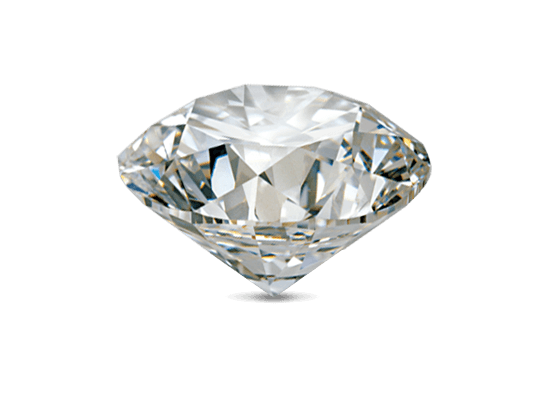
What element primarily makes a diamond?
52
Multiple Choice
53
Multiple Choice
54
Multiple Choice
55
Multiple Choice
56
Multiple Choice
57
Multiple Choice
58
Multiple Choice
59
Multiple Choice
60
Multiple Choice
61
Multiple Choice
62
Manganese
1774
ancient metal
found in cave paintings
brittle solid
can be damaging in large amounts
used in alloys and fertilizers

63
Iron
Ancient iron came from meteorites
most abudant element on Earth
generates magnetic field
It is used to make weapons because of its strength

64
cobalt
derived from 'kobelt'
50% - rechargeable batteries
used to color pottery and glass

65
Nickel

66
Copper

67
Zinc

Period 4
Show answer
Auto Play
Slide 1 / 67
SLIDE


