

Lesson 2.2 - Poetry, Pt. 1

Presentation
•
English
•
6th - 8th Grade
•
Medium
+33
Standards-aligned

Bryce Hespe
Used 8+ times
FREE Resource
12 Slides • 13 Questions
1
2

Identify different types of figurative language and other poetic devices in poetry.
Determine the meaning of figurative language, poetic devices, and connotations in poetry, and their effect on the way you experience a poem.
Lesson 2.1 assignments due Monday the 9th
Welcome to Lesson 2.2 - Poetry, Part 1
3

This week we have a Read activity!
For this portion of our lesson, you will need to read FIVE POEMS!
BE SURE TO READ ALL POEMS and COMPLETE THE READING GUIDE!
4

We will review the important pieces from our Study sections together, but you should return and complete the study guide activity on your own!
**complete Study Guide for NOTES!
5
Personification
Personification gives human characteristics to non-human things.
Ex. The tea kettle whistled impatiently.
Ex. The moon peaked above the trees, shyly.

6
Hyperbole
Hyperboles are when we use extreme exaggeration in our speech. We use these often!
Ex. "I have waited in this line all day."
Ex. "My backpack weighs a ton!"

7
Metaphor
Metaphors compare two things WITHOUT using like or as.
Ex. She is an angel!
Ex. You are my rock.

8
Simile
Similes compare two things USING like or as.
Ex. She is as innocent as an angel!
Ex. You are solid like a rock.

9
Multiple Choice
What type of figurative language is used in this sentence?
The moon danced gently on the water.
hyperbole
personification
simile
metaphor
10
Multiple Choice
What type of figurative language is used in this sentence?
She is as lazy as Eeyore.
metaphor
simile
personification
idiom
11
Multiple Choice
Which type of figurative language is used in this sentence?
"Your heart's a dead tomato splotched with moldy purple spots, Mr. Grinch."
metaphor
simile
personification
hyperbole
12
Multiple Choice
Which type of figurative language is used in this sentence?
"Ugh, 3 o'clock is NEVER going to get here!"
idiom
hyperbole
metaphor
personification
13
Multiple Choice

Which answer option best states the meaning of the simile in the fourth line of the poem?
The whip-poor-will's song frightens the poet.
The whip-poor-will's song sounds lonely.
The whip-poor-will's song causes the poet to get lost.
The whip-poor-will's song is slowly fading.
14
Multiple Choice

Which statement best describes the meaning of this poem's figurative language?
The fourth line's personification reveals Maria is expecting something special in the mail.
The second line's personification emphasizes how slowly and softly the snow is falling.
The simile in the fourth line shows how excited Maria is for the postman's arrival.
The metaphor in the fourth line shows Maria is nervous about what the postman has for her.
15
Onomatopoeia
Words that represent sound
Spelled the way they sound

16
Alliteration
Repetition of the same consonant sound at least three times
At the beginning of words or stressed syllables
For Example: She sells seashells down by the sea shore.

17
Multiple Choice
Which of the following is an example of onomatopoeia?
Break a leg
She was white as a ghost
Buzz Buzz
Peter Piper Picked a Peck of Pickled Peppers
18
Multiple Choice
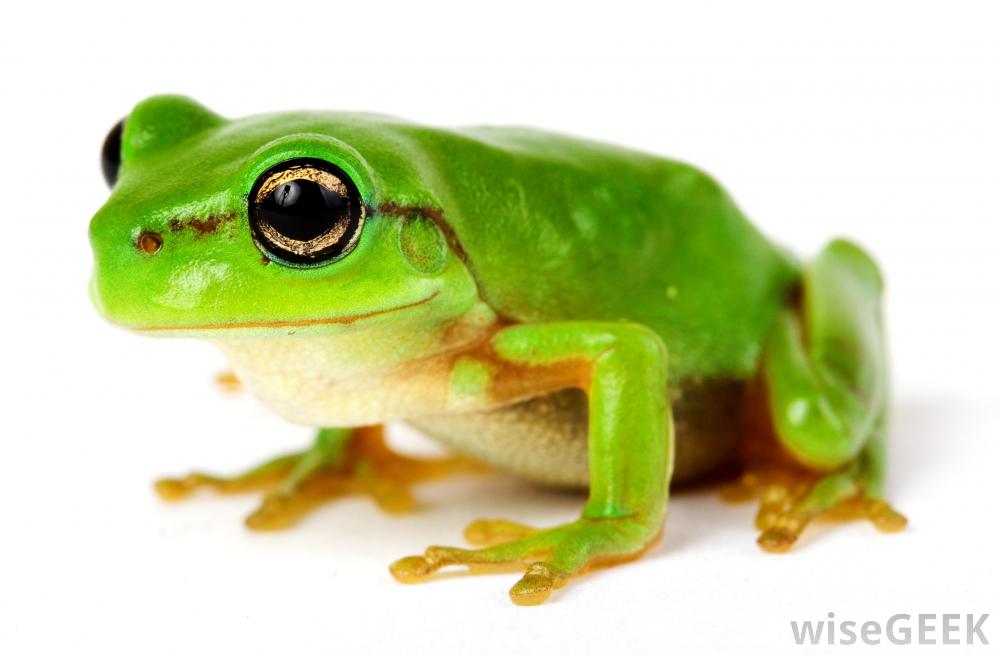
Mrs. Davis was sitting by her pond listening to the frogs croak.
croak
Mrs. Davis
frogs
pond
19
Multiple Choice
Which one is alliteration?
She's tame and he's lame. Both are not the same.
When I got there, everyone was done.
Shazam!
Look! Larry lost Lucy, but luckily he located her.
20
Multiple Choice
Which one is alliteration?
Gary gave gallons of gas to him.
Shannon runs fast.
Her eyes are like the ocean.
Run like the wind.
21
the way the story makes the reader "feel"
think of the effect music has on movies to set the "mood"
Mood
the author's "attitude" towards a topic
think of the tone of voice a person uses when angry vs glad
Tone
Tone versus Mood
22
Multiple Choice
Which term means "the writer's attitude?
mood
tone
point of view
feeling
23
Multiple Choice
Mood is...
the feeling a text gives to readers.
the attitude of the writer
the point of view
the genre of a text
24
Match
Match each example with the type of mood that the figurative language helps create.
proud
angry
nervous
excited
proud
angry
nervous
excited
25
Some words have the same literal meaning, but they suggest different feelings and meanings beyond the dictionary definition. This suggested feeling or meaning is called a connotation. Connotations can make a passage feel more positive or negative.
EXAMPLE: When discussing a HOUSE, calling it a HOME is more POSITIVE. However, calling it a SHACK is more NEGATIVE.
Connotations
Show answer
Auto Play
Slide 1 / 25
SLIDE
Similar Resources on Wayground

19 questions
Figurative Language
Presentation
•
6th - 8th Grade
18 questions
RL.8.3 & RL.8.4
Presentation
•
6th - 8th Grade
18 questions
Figurative Language
Presentation
•
6th - 8th Grade
20 questions
Active and Passive Voice
Presentation
•
7th - 8th Grade
19 questions
Plot Element Review
Presentation
•
6th - 9th Grade
19 questions
English
Presentation
•
6th - 8th Grade
19 questions
Fragments and Run-ons
Presentation
•
6th - 8th Grade
19 questions
Simple Sentences
Presentation
•
6th - 8th Grade
Popular Resources on Wayground
6 questions
PRIDE Always and Everywhere
Presentation
•
12th Grade
20 questions
Lab Safety Quiz

Quiz
•
6th Grade
26 questions
KOR Review Kahoot Questions
Quiz
•
8th Grade
21 questions
Continents and Oceans
Quiz
•
6th Grade
12 questions
Unit Zero lesson 2 cafeteria
Presentation
•
9th - 12th Grade
20 questions
Parts of Speech
Quiz
•
5th Grade
10 questions
Riddles Riddles fun Riddles
Quiz
•
6th - 12th Grade
16 questions
Subject & Predicate
Quiz
•
5th Grade
Discover more resources for English
20 questions
Context Clues
Quiz
•
6th Grade
20 questions
Types of sentences
Quiz
•
6th Grade
8 questions
Main Idea & Key Details
Quiz
•
3rd - 6th Grade
20 questions
Figurative Language Review
Quiz
•
6th Grade
20 questions
Figurative Language Review
Quiz
•
8th Grade
12 questions
Plot Elements
Quiz
•
6th Grade
20 questions
Homophones and Homonyms
Quiz
•
6th Grade
25 questions
Making Inferences
Quiz
•
6th - 8th Grade