Search Header Logo
Civics Unit 4 Citizenship Exam Review

Civics Unit 4 Citizenship Exam Review

Assessment

Presentation

Social Studies

7th - 11th Grade

Medium

Created by

Jennifer Gonzales

Used 13+ times

FREE Resource

1 Slide • 35 Questions

1

Civics Unit 4 Citizenship Exam Review

by Jennifer Gonzales

2

Multiple Choice

Question image

Which of the following statements most accurately describes judicial review?

1

the power to nominate and appoint new judges

2

the power to reverse the decisions of lower courts

3

the power to review presidential actions

4

the power to declare laws unconstitutional

3

Multiple Choice

Question image

Which Supreme Court case established judicial review?

1

McCullough v. Maryland

2

Marbury v. Madison

3

US v. Nixon

4

Baker v. Carr

4

Multiple Choice

Question image

What war was going on during Tinker v. Des Moines?

1

WWII

2

Cold War

3

Gulf War

4

Vietnam War

5

Multiple Choice

Question image

What was the issue in Tinker v. Des Moines (1969)?

1

The students and parents sued the school district claiming a violation of their first Amendment right of freedom of speech.

2

The school district wanted to search the bags of the students.

3

The parents did not want their children wearing black arm bands in school.

4

The students felt that their freedom of religion was violated.

6

Multiple Choice

Why did John & Mary Beth Tinker and Chris Eckhardt wear black arm bands?

1

To Protest the war in Vietnam.

2

They disagreed about taxes.

3

To protest the 4th amendment.

4

To support WWII veterans.

7

Multiple Choice

What was the school's response to the students wearing the black arm bands?

1

The school supported the students.

2

They suspended the students.

3

School officials made extras so other students could participate.

4

The students were arrested without trial.

8

Multiple Choice

Who did the courts side with?

1

The school district.

2

The parents and students.

9

Multiple Choice

Question image

Which Landmark Supreme Court Case dealt with privacy rights at school?

1

NJ v TLO

2

Texas v Johnson

3

Gideon v Wainwright

4

Brown v Board of Education

10

Multiple Choice

Question image

Which Landmark Supreme Court Case overturned the Plessy v Ferguson precedent and desegregated public schools?

1

Brewer v Hamilton Middle School

2

NJ v TLO

3

Brown v Board of Education

4

Gideon v Wainwright

11

Multiple Choice

Question image

Which Landmark Supreme Court Case set the precedent for freedom of speech rights in schools?

1

NJ v TLO

2

Tinker v Des Moines

3

Brown v Board of Education

4

Miranda v Arizona

12

Multiple Choice

Question image

Which Landmark Supreme Court Case dealt with being informed of your Constitutional rights if ever arrested or accuse of a crime?

1

NJ v TLO

2

Miranda v Arizona

3

Mapp v Ohio

4

Texas v Johnson

13

Multiple Choice

Which Landmark Supreme Court Case established that all citizens accused of a felony are to be provided counsel, even if they cannot afford one?

1

Gideon v Wainwright

2

Brown v Board of Education

3

Tinker v Des Moines

4

Ben Brewer v Hamilton Middle School

14

Multiple Choice

Question image

Establishes the Right to Privacy, free from unlawful searches & seizures.

1

2nd Amendment

2

4th Amendment

3

6th Amendment

4

8th Amendment

15

Multiple Choice

Question image

Precedent is defined as past decisions made in a court of law.

1

True

2

False

16

Poll

Question image

You getting nervous???

Nope, I feel GREAT

Omg this test is gonna be hard

it's a'ight

17

Multiple Choice

This ruling explicitly outlawed racial segregation of public education facilities (legal establishment of separate government-run schools for blacks and whites), ruling so on the grounds that the doctrine of "separate but equal" public education could never truly provide black Americans with facilities of the same standards available to white Americans

1

Brown vs Board of Ed

2

Escobedo vs ILL

3

Dred Scott vs Sanford

4

Gregg vs Georgia

18

Multiple Choice

This ruling determined that it is unconstitutional for state officials to compose an official school prayer and require its recitation in public schools, even when it is non-denominational and students may excuse themselves from participation.

1

Engle v. Vitale

2

Gibbons v. Ogden

3

Furman v. Georgia

4

Escobedo v. Illinois

19

Multiple Choice

This ruling ruled on the requirement for a degree of consistency in the application of the death penalty. The Court consolidated Jackson v. Georgia and Branch v.

Texas with the Furman decision, and thus also invalidated the death penalty for rape

1

Gregg v. Georgia, 1976

2

Gideon v. Wainwright, 1863

3

Gibbons v. Ogden, 1824

4

Furman v. Georgia, 1972

20

Multiple Choice

This ruling held that the power to regulate interstate navigation was reserved to Congress by the Commerce Clause of the Constitution.

1

Gideon v. Wainwright, 1863

2

Gibbons v. Ogden, 1824

3

Gregg v. Georgia, 1976

4

Abington v. Schempp, 1963

21

Multiple Choice

This ruling reaffirmed the Supreme Court's commitment to the continued use of the death penalty in the United States

1

Gregg v. Georgia, 1976

2

Abington v. Schempp, 1963

3

In re Gault, 1966

4

Hazelwood School

District v. Kuhlmeier,

22

Multiple Choice

This ruling held that public school curricular student newspapers that have not been established as forums for student expression are subject to a lower level of First Amendment protection than independent student expression or newspapers established (by policy or practice) as forums for student expression.

1

In re Gault, 1966

2

Korematsu v. United States, 1944

3

Hazelwood School District v. Kuhlmeier, 1988

4

Mapp v. Ohio, 1961

23

Multiple Choice

This ruling held that evidence obtained in violation of the Fourth Amendment protection against "unreasonable searches and seizures" must be excluded from criminal prosecutions in state courts, as well as federal courts.

1

Mapp v. Ohio, 1961

2

Miranda v. Arizona, 1966

3

McCulloch v. Maryland, 1819

4

Marbury v. Madison, 1803

24

Multiple Choice

This landmark ruling held that basis for the exercise of judicial review of Federal statutes by the United States Supreme Court under Article Three of the United States Constitution is legal.

1

McCulloch v. Maryland, 1819

2

Marbury v. Madison, 1803

3

Miranda v. Arizona, 1966

4

New Jersey v. TLO, 1985

25

Multiple Choice

This fundamental case established the following two principles: that the Constitution grants to Congress implied powers for implementing the Constitution's express powers, in order to create a functional national government, and that state action may not impede valid constitutional exercises of power by the Federal government.

1

Miranda v. Arizona, 1966

2

New Jersey v. TLO, 1985

3

McCulloch v. Maryland, 1819

4

Plessy v. Ferguson, 1896

26

Multiple Choice

This ruling held held that criminal suspects must be informed of their right to consult with an attorney and of their right against self-incrimination prior to questioning by police.

1

Regents of California v. Bakke, 1978

2

Plessy v. Ferguson, 1896

3

New Jersey v. TLO, 1985

4

Miranda v. Arizona, 1966

27

Multiple Choice

The Supreme Court ruled that the "separate but equal" provision of the Louisiana law was constitutional. The case established this principle of segregation until it was overturned in 1954.

1

Regents of California v. Bakke, 1978

2

Roe v. Wade, 1973

3

Plessy v. Ferguson, 1896

4

Tinker v. Des Moines School District, 1969

28

Multiple Choice

A constitutional right to an abortion is established, though the court laid down a trimester criteria in determining whether states can impose restrictions

1

Regents of California v. Bakke,

2

Roe v. Wade, 1973

3

Tinker v. Des Moines School District, 1969

4

Texas v. Johnson, 1991

29

Multiple Choice

This ruling invalidated prohibitions on desecrating the American flag in force in 48 of the 50 states. Justice William

Brennan wrote for a five-justice majority in holding that the defendant's act of flag burning was protected speech under the first amendment.

1

Regents of California v. Bakke,

2

Roe v. Wade, 1973

3

Tinker v. Des Moines School District, 1969

4

Texas v. Johnson, 1991

30

Multiple Choice

Question image
Determined that keeping people separate based on the color of their skin was acceptable. (It was not discrimination.)
1
Plessy v. Ferguson
2
Tinker v. Des Moines
3
Brown v. Board of Education
4
In re Gault

31

Multiple Choice

Question image
Determined "Separate but Equal" did violate the Equal Protection Clause of the 14th Amend.
1
Plessy v. Ferguson
2
In re Gault
3
Brown v. Board of Education
4
Gideon v. Wainwright

32

Multiple Choice

Question image
Determined that everyone was entitled to legal counsel regardless of their ability to pay.
1
U.S. v. Nixon
2
Bush v. Gore
3
D.C. v. Heller
4
Gideon v. Wainwright

33

Multiple Choice

Question image
Determined that keeping people separate based on the color of their skin was not acceptable.
1
Miranda v. Arizona
2
Brown v. Board of Education
3
Bush v. Gore
4
Plessy v. Ferguson

34

Multiple Choice

Question image
Everyone is entitled to due process...even juveniles.
1
In re Gault
2
D.C. v. Heller
3
Miranda v. Arizona
4
Gideon v. Wainwright

35

Multiple Choice

Question image
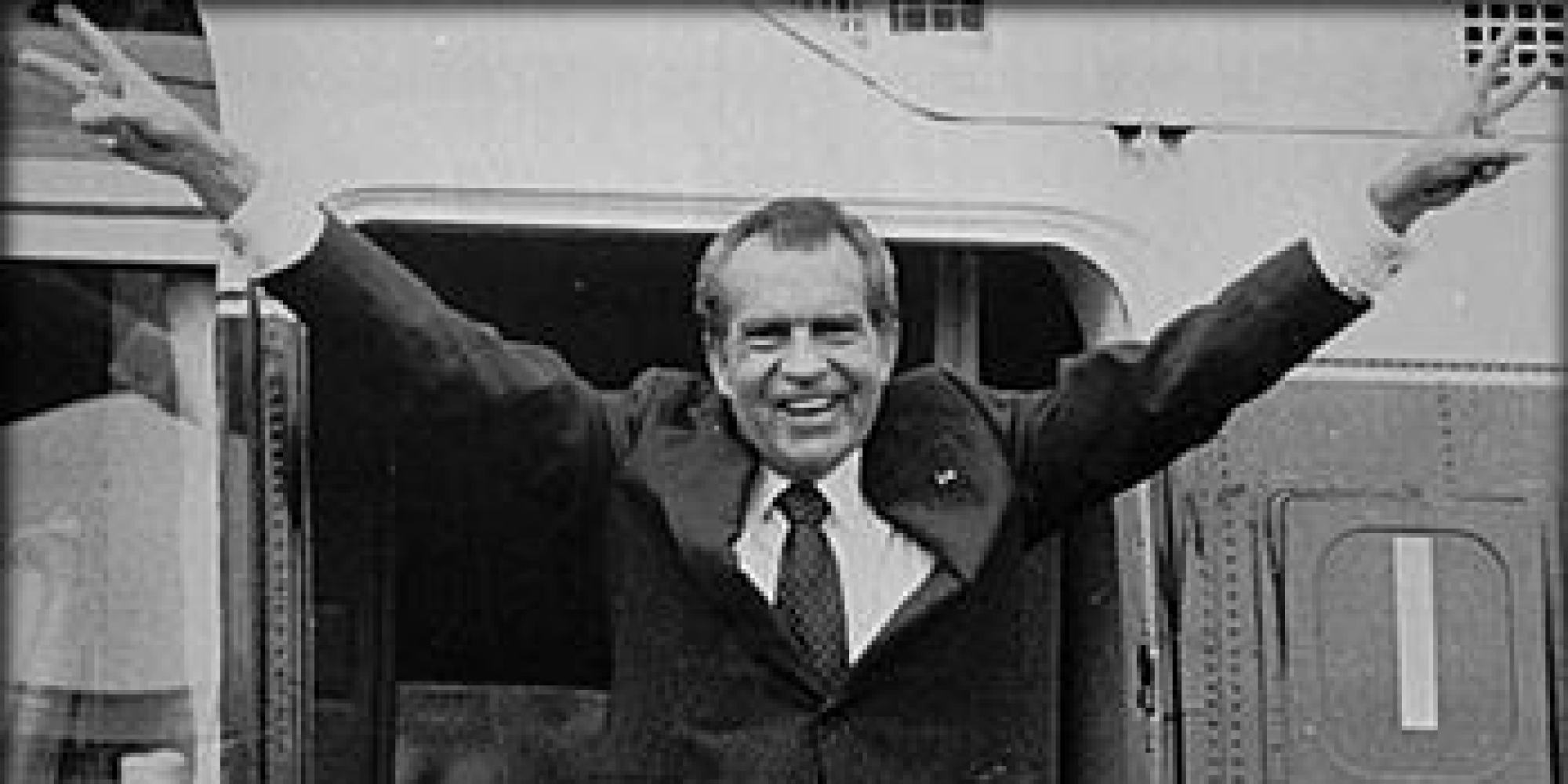
No one is above the law...not even the president.
1
Bush v. Gore
2
Marbury v. Madison
3
Miranda v. Arizona
4
U.S. v. Nixon

36

Multiple Choice

Question image
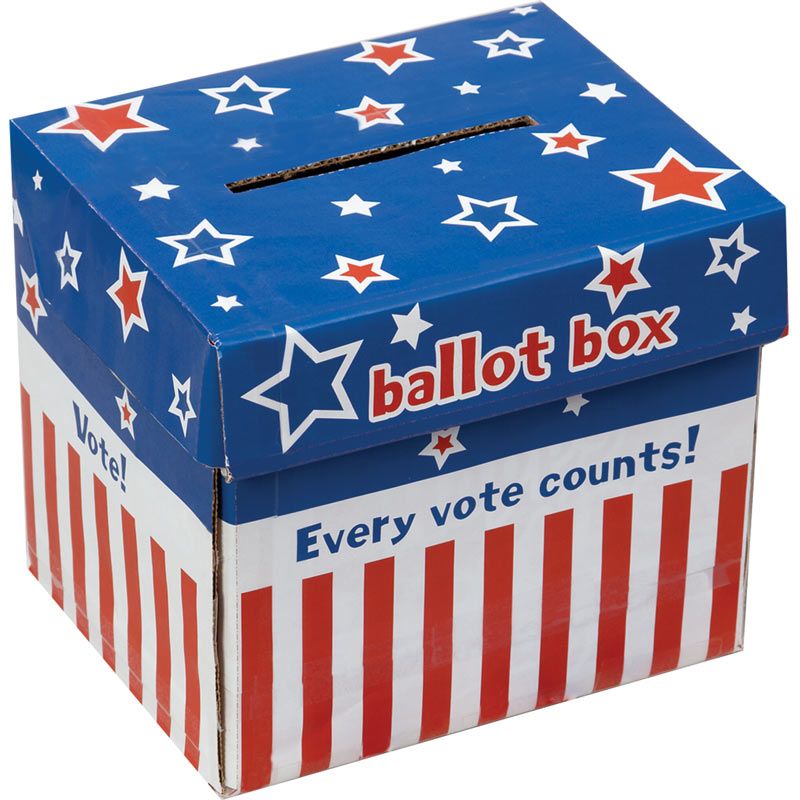
Determined the FL Supreme Court could not order a recount of ballots.
1
Marbury v. Madison
2
Bush v. Gore
3
U.S. v. Nixon
4
Hazelwood v. Kuhlmeier
pattern-tertiary

Civics Unit 4 Citizenship Exam Review

by Jennifer Gonzales

Show answer

Auto Play

Slide 1 / 36

SLIDE