

Grade 7 Ecology Unit HW

Presentation
•
Science
•
7th Grade
•
Medium
+10
Standards-aligned

Leanna Weimer
Used 8+ times
FREE Resource
21 Slides • 35 Questions
1
by Leanna Weimer
2
e·col·o·gy
/ēˈkäləjē/
Learn to pronounce
noun
the branch of biology that deals with the relations of organisms to one another and to their physical surroundings.

3
Multiple Choice
The study of the interactions between organisms and their environment is:
Ecology
Microbiology
Biology
Evolution
4
5
Multiple Choice
When members of the SAME species interact with one another they form a
population
community
organism
ecosystem
6
7
Multiple Choice
All living things in a given area, living and non-living.
Ecosystem
Biotic
Community
Species
8
Multiple Choice
The rabbits and squirrels in an area are a part of the same
population
community
9
Multiple Choice
Groups of rabbits that live in the same area make up a
species
population
10
Multiple Choice
Which of the following has the levels of organization in order from smallest to largest?
Biosphere, Ecosystem, Community, Population, Species, Organism
Organism, Species, Community, Ecosystem, Biosphere
Organism, Species, Community, Population, Ecosystem, Biosphere
Biosphere, Ecosystem, Community, Population, Organism, Species
11
12
Multiple Choice
The non-living parts of the environment such as rocks, air, temperature, sunlight, and water
Abiotic
Biotic
Habitat
Community
13
Multiple Choice
The living or once living organisms in an ecosystem
Biology
Abiotic
Biotic
Ecology
14
Review of Biotic vs. Abiotic

15
Multiple Select
Below is a list of factors in an ecosystem. Select all the abiotic factors.
Shelter
Water
Protists
Sunlight
Prokaryotes
16
Multiple Choice
Which of the following scenario best describes an ecosystem?
A pack of wolves that live in the same area
A single protist
Rabbits hopping around trees burrowing through soil
Birds, mice, and trees inhabiting the same area
17
18
Multiple Choice
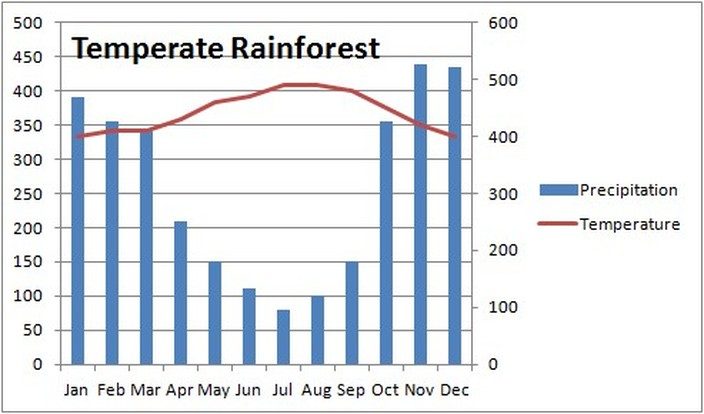
The most important abiotic factors when studying biomes are...
Food and Water
Water and Sunlight
Temperature and Oxygen
Water and Temperature
19
Multiple Choice
Which biome is characterized by low temperatures and low amounts of rainfall?
tundra
desert
temperate deciduous forest
tropical rain forest
20
Multiple Choice
21
Multiple Choice
22
23
Multiple Choice
How do consumers get their energy?
laying in the sun
eating other organisms
providing food for other organisms
surviving in an ecosystem
24
25
Multiple Choice

True or False. In this energy pyramid, the consumers on each level only get about 10 percent of energy that the trophic level before it has stored.
True
False
26
Multiple Choice
What might happen if you remove a primary consumer from the ecosystem?
There would be more food for secondary consumers.
The number of primary consumers would increase.
The number of plants would increase.
The number of secondary consumers would increase.
27
Multiple Choice

28
Multiple Choice

In this energy pyramid, what is the proper name for ANY ORGANISM ABOVE THE PRODUCER LEVEL?
decomposers
consumers
producers
omnivores
29
Precipitation - when water falls from the sky
Runoff - when water runs off the surface and ends up in lakes/ponds/rivers, etc.
Seepage - when water seeps into the ground and becomes groundwater
Evaporation - when water heats up and turns into a gas form
Transpiration - when water evaporates from the plants of leaves
Condensation - when water vapor cools down and turns into clouds

30
Multiple Choice
When warm, evaporated air rises, it cools and begins to turn into liquid again. This part of the water cycle is called:
a: transpiration
b: precipitation
c: runoff
d: condensation
31
Multiple Choice
Which term best describes a change of state from a liquid to a gas caused by the sun's energy?
evaporation
sublimation
deposition
precipitation
32
Multiple Choice

The process of plants losing water through their leaves is called ____.
condensation
evaporation
transpiration
exhaling
33
Photosynthesis - how the carbon comes to earth from the atmosphere
Cellular respiration - how the carbon is released from plants/animals back into the atmosphere
Combustion - when carbon is released into the atmosphere by factories/cars
Decomposition - when carbon is released atmosphere by dead plants/animals... some is turned into fossil fuels to be burnt later

34
Multiple Choice
What is the only way that carbon (CO2) goes from the atmosphere to living organisms?
photosynthesis
respiration
decomposition
combustion
35
About 78% of the earth's atmosphere is nitrogen gas.
Plants and animals must have nitrogen to make proteins and nucleic acids.
However, the nitrogen gas is not usable by plants or animals - so the nitrogen cycle must happen to change nitrogen into a usable form through a series of steps.
Most of this is done using bacteria & decomposers; however, some nitrogen enters the soil via lightning.

36
Nitrogen fixation: the process when nitrogen-fixing bacteria in the soil/on plant roots change nitrogen gas into ammonia
Ammonification: the process when decomposers break down dead stuff/animal wastes into ammonium
Nitrification: the process when nitrifying bacteria change ammonium into nitrates, which is what plants can use
Assimilation: when the plants take in the nitrates
Denitrification: when denitrifying bacteria take the excess nitrates and turn it back into nitrogen gas
37
Multiple Choice
the process when decomposers break down dead stuff/animal wastes into ammonium
Ammonification
Denitrification
Nitrification
Nitrogen fixation
38
Multiple Choice
the process when nitrifying bacteria change ammonium into nitrates, which is what plants can use
Ammonification
Denitrification
Nitrification
Nitrogen fixation
39
Multiple Choice
the process when nitrogen-fixing bacteria in the soil/on plant roots change nitrogen gas into ammonia
Ammonification
Denitrification
Nitrification
Nitrogen fixation
40
Multiple Choice
when denitrifying bacteria take the excess nitrates and turn it back into nitrogen gas
Ammonification
Denitrification
Nitrification
Nitrogen fixation
41
42
This is the only cycle without an atmospheric portion.
Phosphate is released via the weathering of rocks.
Plants & some fungi take up phosphorus.
Phosphorus moves from producers to consumers via the food web.
Phosphorus is released back into the soil when organisms die & decomposers break them down.
Phosphorus gets into water via runoff and leaching from the groundwater.
Mining and agricultural runoff add to the phosphorus in the environment.

43
Multiple Choice
There is no portion of the phosphorus cycle in the...
atmosphere
rocks
water
living organisms
44
45
46
Multiple Choice
Which type of succession occurs on freshly formed on barren land?
Primary Succession
Secondary Succession
47
Multiple Choice
Which of the following is something that can create new land?
Snow
Rain
Volcanic Eruption
Wind
48
Multiple Choice
What do we call the first species that colonize a new area?
Foreign Species
Pioneer Species
Intraspecies
Interspecies
49
Lichens and moss (pioneer species) appear
Erosion breaks rocks apart into smaller pieces and decomposition of pioneer species adds nutrients to the ground (soil formation)
Small annuals (plants) start to appear
Grasses and ferns (perennials) appear
Shrubs and bushes appear
Softwoods such as conifers (trees with cones) appear
Hardwoods such as oak, maple, hickory, walnut, and cherry trees
50
Primary Succession

51
Multiple Select
Which of the following are examples of pioneer species? (select all that apply)
Maple Tree
Grass
Lichens
Moss
52
Multiple Choice
Which of the following appears last?
Grass
Bushes
Softwoods (conifers)
Hardwoods (Maple, Oak, etc)
53
Process in which recolonization of plants occurs after some kind of natural disaster such as a forest fire.
Quicker than primary succession since the soil still remains.

54
Multiple Choice
Which type of succession occurs after some kind of natural disaster wipes out most of the vegetation in a habitat?
Primary Succession
Secondary Succession
55
Multiple Choice
Which type of succession is quicker?
Primary Sucession
Secondary Succession
56
by Leanna Weimer
Show answer
Auto Play
Slide 1 / 56
SLIDE
Similar Resources on Wayground

52 questions
Forms of Energy
Presentation
•
6th - 7th Grade
50 questions
Plate Tectonics Review
Presentation
•
7th Grade
50 questions
Making Inferences
Presentation
•
6th - 8th Grade
49 questions
Monsoons, Breezes, and ITCZ
Presentation
•
7th Grade
51 questions
Washington Leads a New Nation
Presentation
•
7th Grade
51 questions
Sifat Zat dan Perubahannya
Presentation
•
7th Grade
51 questions
Unit 1 Weather Review
Presentation
•
7th Grade
50 questions
Biomes and Ecosystems
Presentation
•
7th Grade
Popular Resources on Wayground
10 questions
How much do you know about our Portrait of an Eagle?

Quiz
•
10th Grade
10 questions
Fast Food Slogans
Quiz
•
6th - 8th Grade
21 questions
Continents and Oceans
Quiz
•
6th Grade
20 questions
Parts of Speech
Quiz
•
5th Grade
16 questions
Subject & Predicate
Quiz
•
5th Grade
25 questions
Multiplication Facts
Quiz
•
5th Grade
12 questions
Map Skills
Quiz
•
3rd Grade
22 questions
Continents and Oceans
Quiz
•
5th Grade
Discover more resources for Science
17 questions
7.6D Aqueous Solutions
Quiz
•
7th Grade
20 questions
Claim, Evidence and Reasoning (CER)
Quiz
•
6th - 8th Grade
18 questions
Counting Atoms
Quiz
•
7th - 8th Grade
10 questions
Exploring Chemical and Physical Changes

Interactive video
•
6th - 10th Grade
20 questions
Food Chains & Food Webs
Quiz
•
5th - 7th Grade
10 questions
Decoding the Periodic Table of Elements
Interactive video
•
6th - 10th Grade
16 questions
Photosynthesis and Cellular Respiration Review
Quiz
•
7th Grade
10 questions
Exploring the Periodic Table
Interactive video
•
6th - 10th Grade