Search Header Logo
Evolution

Evolution

Assessment

Presentation

Biology

9th Grade

Easy

NGSS
MS-LS4-4, MS-LS4-2, MS-LS3-1

+12

Standards-aligned

Created by

Andrew Hogan

Used 6+ times

FREE Resource

31 Slides • 32 Questions

1

Evolution

By Andrew Hogan

2

media
  • What is it?

  • What evidence is there?

  • How does it work?​

The foundation of biology

​Evolution

3

  1. Biological change over time

  2. Very small changes in mutated genes that help adaptation​ to an environment

Defined as:

More like Survival of the most well adapted to their environment.

Survival of the fittest?

What is Evolution?

The foundation of biology

4

Poll

An error in DNA copying that results in a new trait
Homeostasis
Mutation
Natural Selection
Selective Breeding

5

MUTATION

Evolution: The foundation of biology

6

What is a species?

Evolution: The foundation of biology

  • Mules are made by breeding a donkey and a horse

  • Mules can't reproduce

  • They are not a species, they are hybrids​

What about mules?

  1. Must be able to reproduce fertile offspring

  2. Offspring must be able to also reproduce

A group of organisms

7

Poll

The formation of new species

Speciation

Evolution

Natural selection

Mutations

8

SPECIATION

Evolution: The foundation of biology

9

How does it work?

Small changes over time

  • Species need energy to survive and reproduce

  • Most changes relate to improving the ability to gather food or prevent death

  • Other change may relate to sexual selection

  • All of this is powered by Natural Selection

Evolution: The foundation of biology

10

Poll

Small biological changes over time...

Natural Selection
Selective Breeding
Homeostasis
Evolution

11

EVOLUTION

Evolution: The foundation of biology

12

media
  • The mechanism that drives evolution.

  • ​The process of a species, not organisms, being able to pass genes to the next generations

Evolution: The foundation of biology

Natural Selection

13

Poll

Where the better adapted organisms survive to pass traits along to offspring.
Evolution
Natural Selection
Extinction
Artifical Selection

14

NATURAL SELECTION

Evolution: The foundation of biology

15

media

Beneficial mutations are more likely to get passed on >> EVENTUALLY forming new species.

This is called speciation​

Evolution: The foundation of biology

16

Poll

Why are advantageous traits more likely to be passed onto offspring?
Because they are more likely to survive and reproduce.
Because they come from dominant alleles.
Because they come from recessive alleles.
Because the trait is an acquired phenotype.

17

BECAUSE THEY ARE MORE LIKELY TO SURVIVE AND REPRODUCE

Evolution: The foundation of biology

18

media

When one species branches off into similar different species to fit a niche environment.​

Evolution: The foundation of biology

Adaptive Radiation

19

Poll

Question image
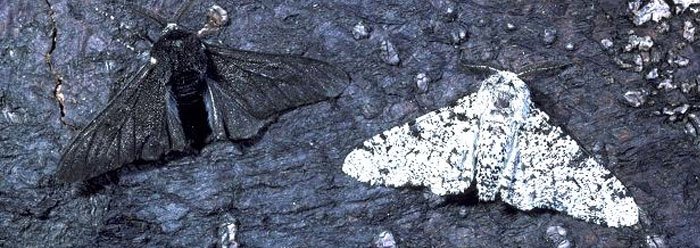
The trees these moths used to live on were white, but have been covered in soot from coal factories. Which moth will be more successful in this environment?
Dark moth
Light moth
Both will be equally successful
Neither will be successful

20

DARK MOTH

Evolution: The foundation of biology

21

What is the Evidence?

media

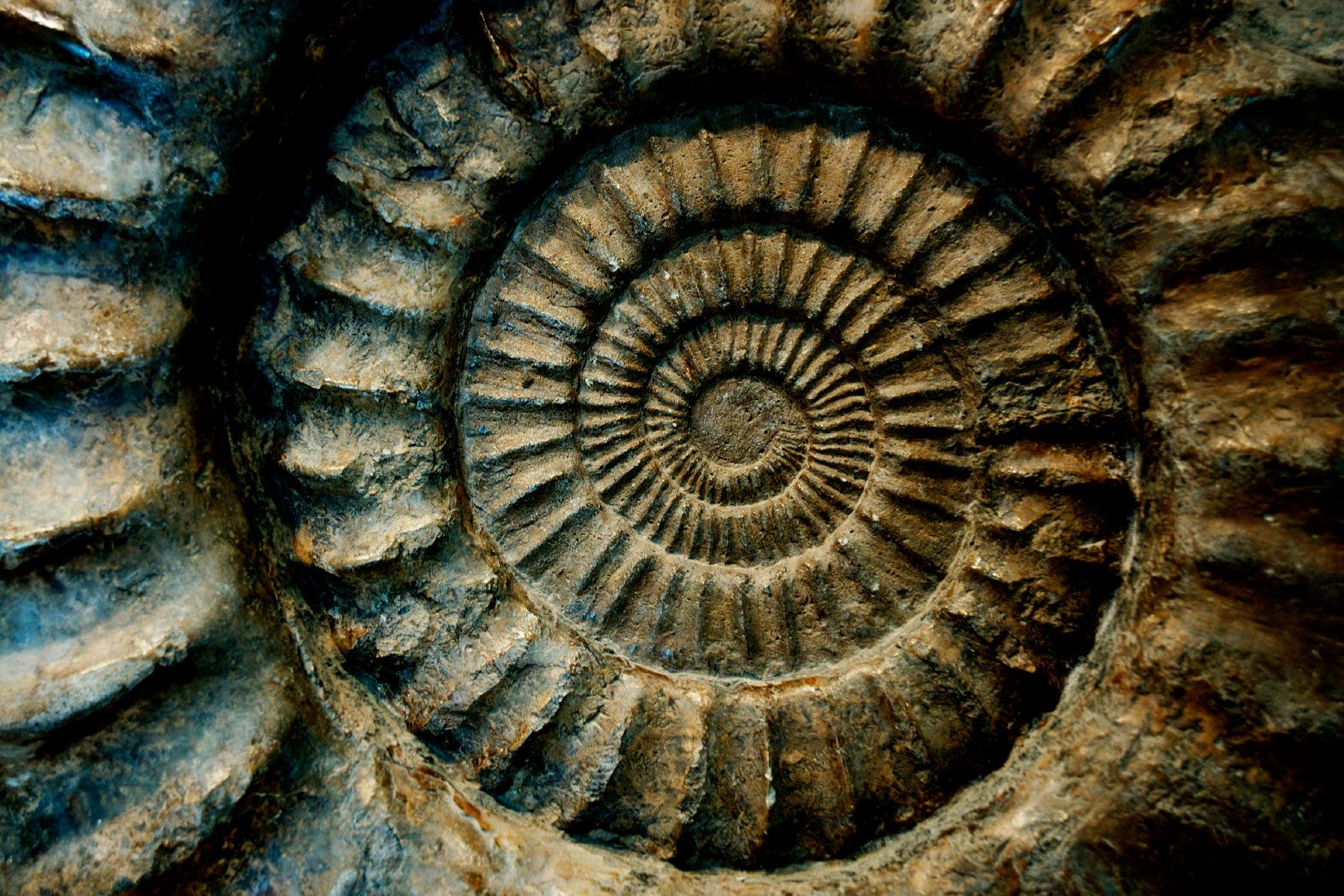
There is much evidence to support the theory of evolution.

In science we use evidence to support our thinking.​

22

media
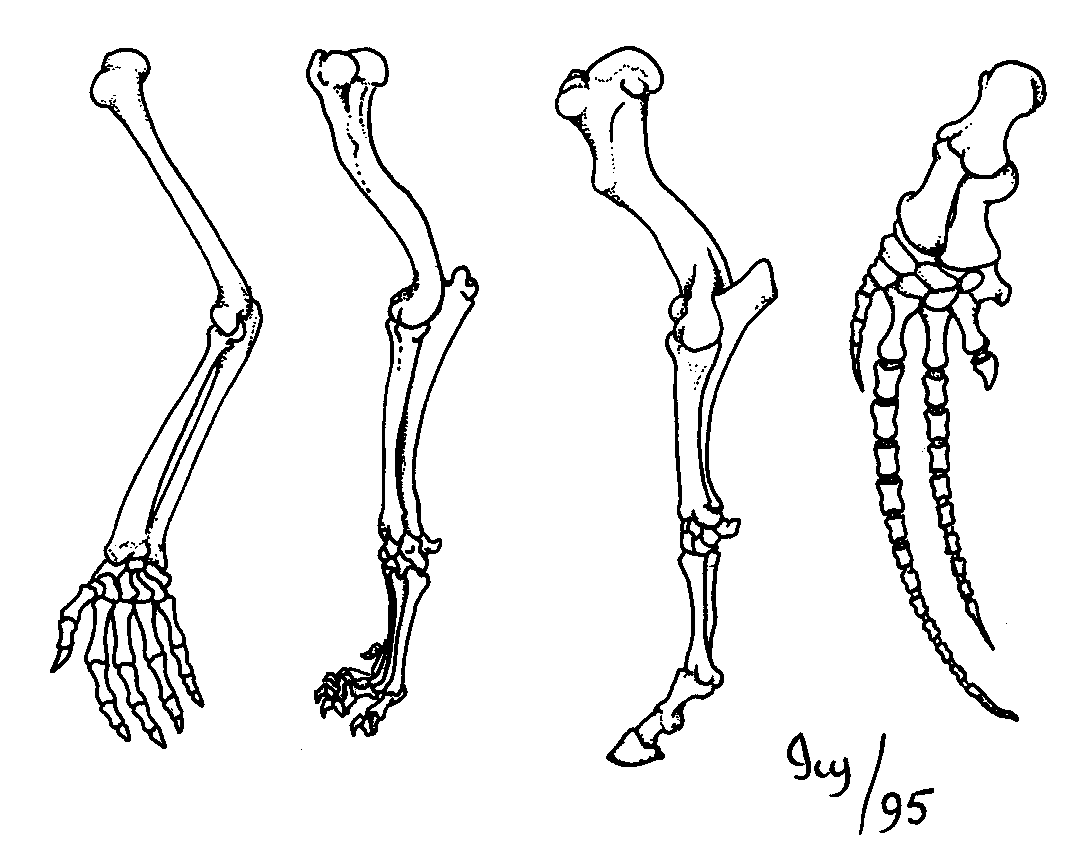
  • In the fossil record we observe HOMOLOGOUS STRUCTURES

  • These are similar bones found in different extinct and living species.​

Evolution: The foundation of biology

Fossil Evidence

23

media
  • Similar functions in the environment, but different morphology

  • Example: Bird wings Vs Insect wings​

  • This suggests a different evolutionary path​

Evolution: The foundation of biology

Analogous Structures

24

Poll

Question image
Structures with the same parts have different functions; suggests that organisms share a common ancestry
vestigial structures
homologous structures
adaptive radiation
fossil

25

HOMOLOGOUS STRUCTURES

Evolution: The foundation of biology

26

media
  • Parts of an organism that are no longer useful but were useful to genetic ancestors

  • Example: A whale's leg bone is called a "vestigial hind limb"​

Evolution: The foundation of biology

Vestigial Structures

27

Poll

Whales are aquatic mammals that contain a pelvis (hip) bone. Even though it does not aid in its movement, the function must have been used by a common ancestor of the whale. Thus, the pelvis is referred to as a(n)

vestigial structure

analogous structure

homologous structure

Useless structures

28

VESTIGIAL STRUCTURES

Evolution: The foundation of biology

29

media
  • Scientists can compare the genome of living and extinct species.

  • We can observe genetic links between all living things

  • Example: Humans share 60% of genes with a banana

    and around 90% with many primates​

Evolution: The foundation of biology

Genetic Evidence

media

30

media
  • The comparison of a embryo development among species.

  • Many species share similar morphology (the way it looks) as embryos​

Evolution: The foundation of biology

Embryology

31

Poll

Question image
Study of embryos of various organisms to show a common ancestor because of similarities in development
natural selection
embryology
speciation
evolution

32

EMBRYOLOGY

Evolution: The foundation of biology

33

media
  • Gene Flow

  • Genetic Drift

  • Bottleneck effect

  • Founder effect

  • Sexual Selection​

Evolution: The foundation of biology

Other Factors to consider

34

media

Organisms sharing varied genetic information

Evolution: The foundation of biology

Gene Flow

35

Poll

This mechanism of evolution occurs when populations migrate.
Extinction
Gene flow
Genetic drift
Natural Selection

36

GENE FLOW

Evolution: The foundation of biology

37

media

A change in variation of genes within a population due to a chance event

Examples:​

  • Founder Effect

  • Bottleneck Effect​

Evolution: The foundation of biology

Genetic Drift

38

media

After a natural disaster there is less variation

Evolution: The foundation of biology

Bottleneck Effect

39

media

A species that colonizes an island will provide the primary genetic pool​.

Evolution: The foundation of biology

Founder Effect

40

Poll

Question image

Which of the following is an example of the founder effect?

Humans choose two dogs they like the characteristics of and breed them together.

Affected individuals with blue skin can trace their ancestry back to one of the first settlers in the region.

The environment of a fox population changes and over time foxes who are white survive and pass on their genes to their offspring.

Cheetah populations reach their lowest levels with reduced diversity and as they rebound are so genetically similar they appear to be inbred.

41

Affected individuals with blue skin can trace their ancestry back to one of the first settlers in the region.

42

media

Genetic variation provided by which mates are chosen based on superficial morphology​

Evolution: The foundation of biology

Sexual Selection

43

Multiple Choice

When individuals choose traits possessed by the opposite sex it is called…

1

Mutation

2

Gene Flow

3

Genetic Drift

4

Sexual Selection

44

Multiple Choice

The formation of new species

1

Speciation

2

Evolution

3

Natural selection

4

Mutations

45

Multiple Choice

Where the better adapted organisms survive to pass traits along to offspring.
1
Evolution
2
Natural Selection
3
Extinction
4
Artifical Selection

46

Multiple Choice

Why are advantageous traits more likely to be passed onto offspring?
1
Because they are more likely to survive and reproduce.
2
Because they come from dominant alleles.
3
Because they come from recessive alleles.
4
Because the trait is an acquired phenotype.

47

Multiple Choice

Natural selection is when ____________ decides who survives and who doesn't
1
nature
2
humans
3
animals
4
years

48

Multiple Choice

Question image
The trees these moths used to live on were white, but have been covered in soot from coal factories. Which moth will be more successful in this environment?
1
Dark moth
2
Light moth
3
Both will be equally successful
4
Neither will be successful

49

Multiple Choice

Small biological changes over time...

1
Natural Selection
2
Selective Breeding
3
Homeostasis
4
Evolution

50

Multiple Choice

Which best describes mutations?
1
Always helpful
2
Always harmful
3
Can be helpful or harmful
4
Always neutral

51

Multiple Choice

Question image
Structures with the same parts have different functions; suggests that organisms share a common ancestry
1
vestigial structures
2
homologous structures
3
adaptive radiation
4
fossil

52

Multiple Choice

Question image
Study of embryos of various organisms to show a common ancestor because of similarities in development
1
natural selection
2
embryology
3
speciation
4
evolution

53

Multiple Choice

Question image
The diagram shows fossils in different rock layers. Which of these statements about the age of these fossils is most likely correct?
1
Fossil A and C are the same age
2
Fossil B is older than fossil C
3
Fossils A is older than fossil B
4
Fossil D is older than fossil C

54

Multiple Choice

What does Darwin's theory of evolution suggest?
1
species change over time
2
extinct species are not related to living species
3
different species can interbreed
4
animals that look alike are most closely related

55

Multiple Choice

Question image
What type of structures are these?
1
homologous
2
vestigial 
3
analogous
4
fossil

56

Multiple Choice

Which of these best represents a time period in which an organism could evolve?
1
5 days
2
100 years
3
10,000 years
4
2 decades

57

Multiple Choice

Whales are aquatic mammals that contain a pelvis (hip) bone. Even though it does not aid in its movement, the function must have been used by a common ancestor of the whale. Thus, the pelvis is referred to as a(n)

1

vestigial structure

2

analogous structure

3

homologous structure

4

Useless structures

58

Multiple Choice

A theory has significant evidence to support it.  True or False
1
True
2
False

59

Multiple Choice

The ability of an organism to survive and reproduce in its specific environment 
1
diversity.
2
evolution
3
adaptation
4
 fitness

60

Multiple Choice

Where humans have bred organisms together based on traits we like.
1
Evolution
2
Natural Selection
3
Extinction 
4
Artificial Selection

61

Multiple Choice

Question image
The difference in the physical traits of an individual from those of other individuals in a group is called a(n)
1
change
2
adaption
3
species
4
variation

62

Multiple Choice

Question image
The long and sharp beak of a woodpecker is an example of:
1
Natural Selection
2
Selective Breeding

63

Multiple Choice

An error in DNA copying that results in a new trait
1
Homeostasis
2
Mutation
3
Natural Selection
4
Selective Breeding

Evolution

By Andrew Hogan

Show answer

Auto Play

Slide 1 / 63

SLIDE