Search Header Logo
End of Year Review Physical Science

End of Year Review Physical Science

Assessment

Presentation

Science

8th Grade

Medium

NGSS
MS-PS1-1, MS-LS1-6, MS-LS1-5

+8

Standards-aligned

Created by

Crystal Winner

Used 3+ times

FREE Resource

53 Slides • 57 Questions

1

End of Year Review Physical Science

This review contains: Periodic Table, Scientific Investigation, Graphs, Cycle, Acids and Bases, Photosynthesis​

2

Periodic Table Patterns

media

3

Periodic Table Patterns

media

4

Now let's talk groups

  • groups go up and down on the periodic table

  • there are 18 groups on the periodic table

  • BUT only groups 1 and 2 and 13-18 follow any sort of pattern.

  • the pattern is the group number can help you quickly figure out the number of valence electrons

  • valence electrons are the electrons on LAST energy level

  • valence electrons are the ones responsible for bonding- so VERY important!

5

The Group Pattern

The group numbers 1,2 13-18 can help to quickly tell how many valence electrons there are for the elements in the group

media

6

The Group Pattern

The bolded number at the top of the group tell the number of valence electrons the group has.

Group 1 has 1 valence electron

Group 2 has 2 valence electrons

media

7

The Group Pattern

The bolded number at the top of the group tell the number of valence electrons the group has.

Group 13 has 3 valence electrons

Group 14 has 4 valence electrons

(see the pattern yet?)

Group 15 has 5

Group 16 has 6

Group 17 has 7

Group 18 (mostly) has 8

*Helium in group 18 is an exception - it only has 2 electrons!

media

8

Multiple Choice

How many valence electrons do element in group 2 have?

1

1

2

2

3

12

9

Multiple Choice

How many valence electrons do element in group 14 have?

1

1

2

4

3

14

10

media

11

media

12

media

13

Multiple Choice

Question image
Most of the elements on the periodic table are classified as _____.
1
Metals
2
Nonmetals
3
Metalloids
4
Periods

14

The periodic table is FULL of patterns.


  • If you know the patterns, you can use it to find information quickly about the elements

  • The two patterns we are going to review are the periods and the group numbers

15

Multiple Choice

Question image
The number at the bottom of each square on the periodic table is the ...
1
atomic number
2
atomic mass
3
chemical symbol
4
element name

16

Let's start with the periods

  • periods are the name for the rows that go across the table

  • there are 7 rows on the periodic table

  • the pattern is the elements in a period have the same number of energy levels

  • as elements get bigger with more electrons, the elements need more space for their electrons.

17

Multiple Choice

Question image
The number at the top of each square on the periodic table is the ...
1
atomic number
2
atomic mass
3
Chemical Symbol
4
Element Name

18

See?

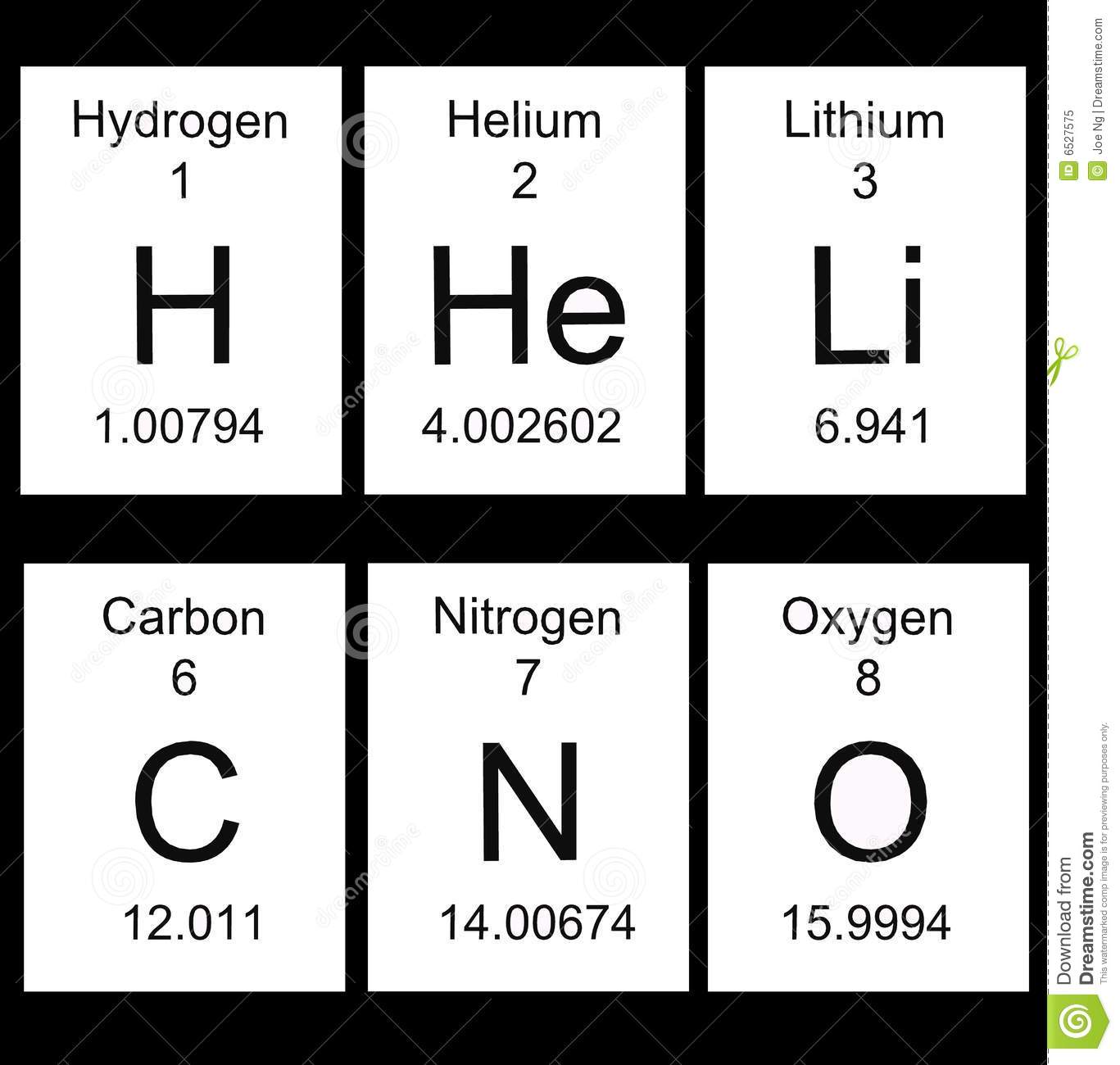
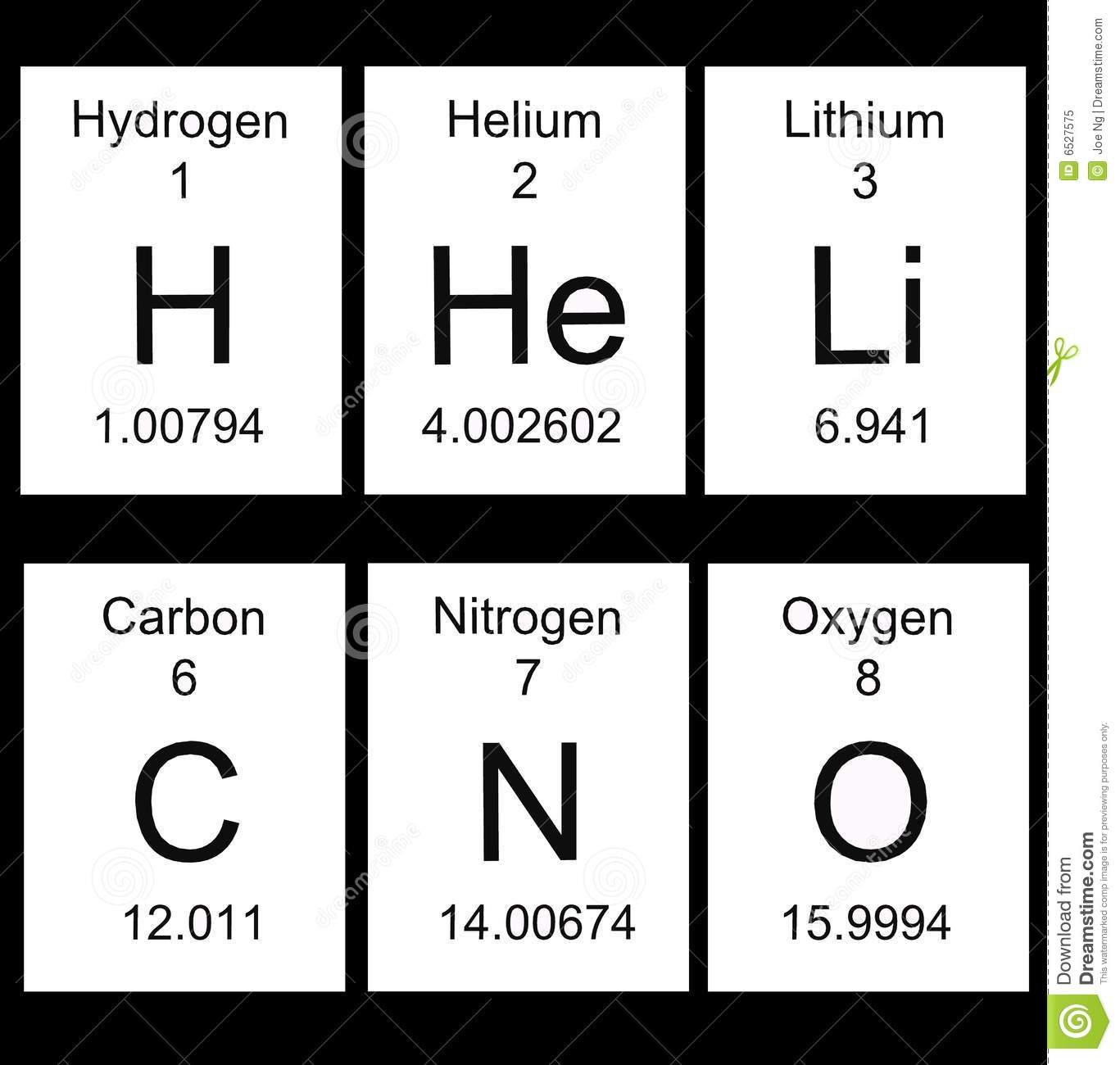
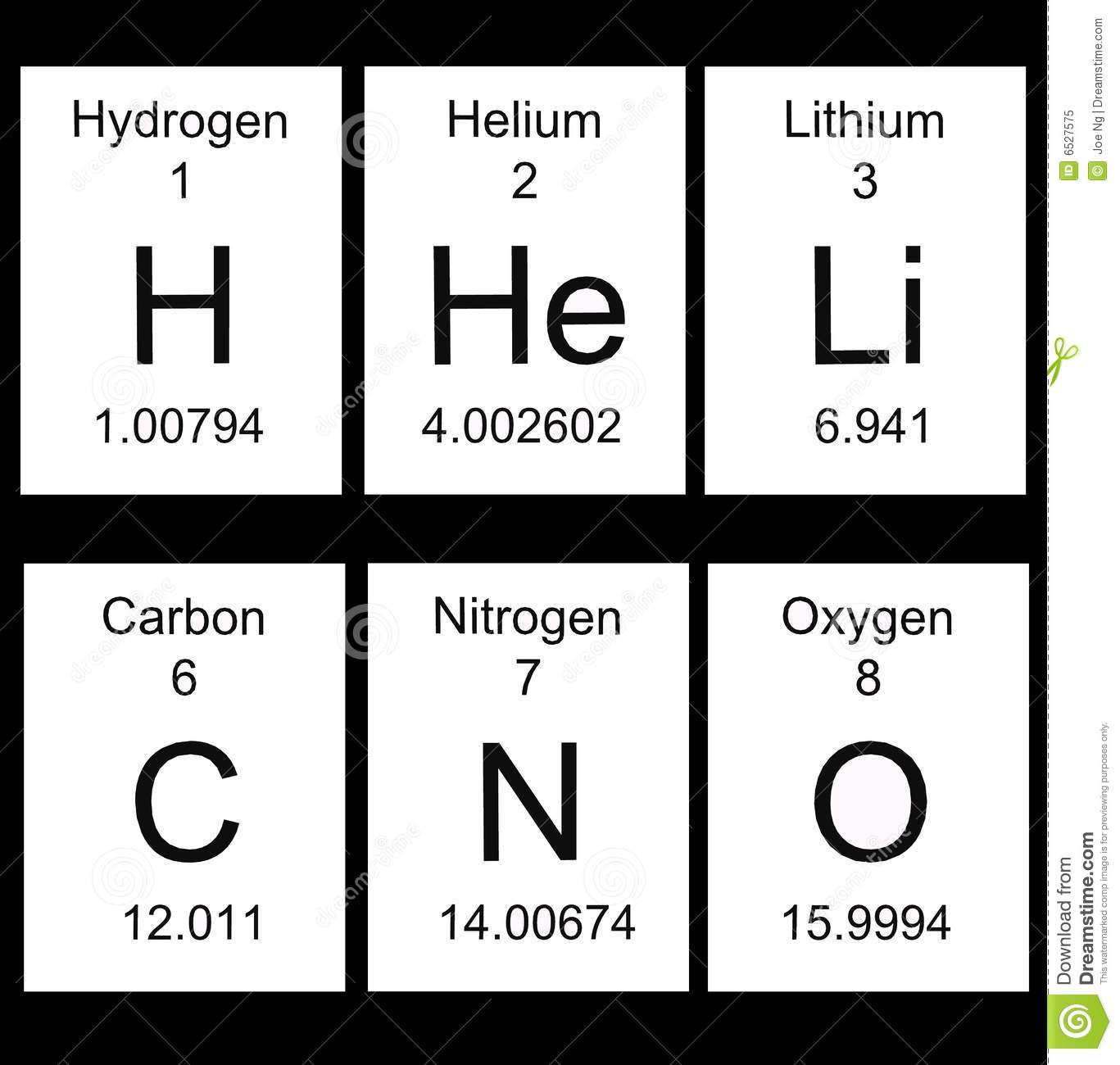
  • Energy level 1 with hydrogen and helium have only 1 and 2 electrons

  • Energy level 2 from Lithium to Neon have two energy levels and have even more electrons

  • Energy leve3 from sodium to argon have 3 energy levels and still more electrons!

media

19

Multiple Choice

Question image
What is the chemical symbol for Lithium?
1
H
2
He
3
Li
4
N

20

Multiple Choice

Question image

How many energy levels does Calcium have in period 4

1

1

2

2

3

3

4

4

21

Multiple Choice

the positively charged subatomic particle contained in the nucleus of an atom

1

proton

2

neutron

3

electron

4

matter

22

Multiple Choice

Question image

How many energy levels does sodium (Na) have in period 3?

1

1

2

2

3

3

4

4

23

Multiple Choice

a subatomic particle, contained in the nucleus of an atom, having the same mass as a proton but no electrical charge

1

proton

2

neutron

3

electron

4

matter

24

Multiple Choice

Question image

How many energy levels does Neon have in period 2?

1

1

2

2

3

3

4

4

25

Multiple Choice

a negatively charged subatomic particle that orbits the nucleus of an atom

1

proton

2

neutron

3

electron

4

matter

26

Multiple Choice

Question image

How many energy levels does helium have in period 1?

1

1

2

2

3

3

4

4

27

Multiple Choice

a unique number for each element that equals the number of protons in an atom of that element

1

element name

2

element symbol

3

atomic number

4

atomic mass

28

Okay! So the period number tells us the number of energy levels and element has.

  • the bigger the number of electrons, the more energy levels it needs

  • so as you go down the periodic table, the elements have more energy levels

  • the maximum number of energy levels is 7

29

Multiple Choice

Question image
How many protons are in this element?
1
79
2
196
3
117
4
Cannot be determined

30

Now let's talk groups

  • groups go up and down on the periodic table

  • there are 18 groups on the periodic table

  • BUT only groups 1 and 2 and 13-18 follow any sort of pattern.

  • the pattern is the group number can help you quickly figure out the number of valence electrons

  • valence electrons are the electrons on LAST energy level

  • valence electrons are the ones responsible for bonding- so VERY important!

31

Multiple Choice

Question image
How many neutrons are in a Gold atom?
1
79
2
196
3
118
4
275

32

media

33

media

34

Multiple Choice

Which of the following is the correct equation for PHOTOSYNTHESIS?
1
CO+ light + H2O --> O+ Sugar
2
CO+ sugar + H2O --> O+ light
3
O2 + light + H2O --> CO+ Sugar
4
CO+ O2 + H2O --> Light+ Sugar

35

Multiple Choice

How many valence electrons do element in group 2 have?

1

1

2

2

3

12

36

Multiple Choice

What are the reactants of photosynthesis?
1
carbon dioxide and oxygen
2
water and oxygen
3
carbon dioxide and water
4
water and glucose

37

Multiple Choice

How many valence electrons do element in group 14 have?

1

1

2

4

3

14

38

Multiple Choice

What are the products of photosynthesis?
1
water and carbon dioxide
2
oxygen and glucose
3
oxygen and carbon dioxide
4
oxygen and water

39

Multiple Choice

How many valence electrons do element in group 18 have?

1

1

2

8, except Helium only has 2

3

18

40

Multiple Choice

Question image

This is the chemical formula for a molecule of...

1

Oxygen

2

Carbon dioxide

3

Glucose

4

Water

41

Multiple Choice

Where in a plant cell does photosynthesis take place

1

Palisade cells

2

Chlorophyll

3

Chloroplasts

4

Vacuole

42

Multiple Choice

What is the purpose of photosynthesis?

1

To release energy

2

To create glucose

3

To grow

4

To get oxygen for respiration

43

Multiple Choice

What molecule absorbs sunlight for photosynthesis?
1
chloroplast
2
thylakoid
3
grana
4
chlorophyll

44

media
media

45

media

46

media

47

media

48

media

49

Multiple Choice

Which of the following is correct about the carbon cycle?

1

Photosynthesis of plant life is one of the main producers of CO2

2

Burning fossil fuels decreases atmospheric CO2

3

Glucose is a form of carbon storage in plants

4

Cellular respiration is a process that decreases CO2

50

media

51

media

52

media

53

media

54

Scientific Laws and Scientific Theories

A theory explains why some natural phenomena occur. A law states the observations of that phenomenon and names them.

media

55

Multiple Choice

Scientists must think about which of the following when designing experiments?

1

the steps required

2

equipment needed

3

safety precautions

4

all of the above

56

media

57

Multiple Choice

A cow is given a growth hormone and then compared to another cow that was not given a growth hormone. Both cows were weighed at 2 years. What is the INDEPENDENT variable?

1

amount of time

2

weight

3

growth hormone

4

type of cow

58

Multiple Choice

A cow is given a growth hormone and then compared to another cow that was not given a growth hormone. Both cows were weighed at 2 years. What is the DEPENDENT variable?

1

amount of time

2

weight

3

growth hormone

4

type of cow

59

Control Variables

Some variables in this experiment are kept the same:
- Time (2 years)

- Type of cow
- Environment
It is important to keep all variables except the independent variable the same to get accurate results.

60

media

61

media

62

media

63

media

64

media

65

media

66

X-Axis Label

  • Tells you what the x-axis (horizontal/bottom line) is showing

  • Independent Variable

  • Matches the different trails in the experiment

media

67

Multiple Choice

Question image

What is the independent variable based on the graph?

1

Favorite candy

2

Type of candy

3

Popularity

4

How many people hate it

68

Y-Axis Label

  • Tells you what the y-axis (vertical line) is talking about

  • Dependent variable

  • What we measure/collect data on

media

69

Multiple Choice

Question image

What is the dependent variable based on the graph?

1

Popularity

2

Type of candy

3

Time of trick-or-treating

4

Number of trick-or-treaters

70

Trends in Graphs

  • Talk about how one variable changes the other

  • As the [independent variable] increases, the [dependent variable] ...

71

Trends in Graphs

As the time increases the mass of chalk decreases.

media

72

Trends in Graphs

As time increases, the speed increases.

media

73

Multiple Choice

Question image

Describe the trend shown in the graph.

1

As the volume decreases, the mass stays the same.

2

As the mass decreases, the volume increases.

3

As the volume increases, the mass increases.

4

As the mass increases, the volume stays the same.

74

Density

Density is number of mass in a certain volume of an object.

D = m/V

D = density (kg/m3)

m = mass (kg)

V = volume (m3)

75

Multiple Choice

What is the formula for density?
1
density = mass x volume
2
density = mass / volume
3
density = mass + volume
4
density = mass - volume

76

Multiple Choice

What two types of measurements make up DENSITY
1
Mass and Volume
2
Temperature and Mass
3
Grams and Centimeters
4
Volume and Weight

77

Multiple Choice

Question image
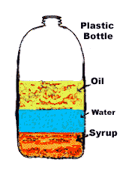
Which liquid is the least dense?
1
oil
2
water
3
syrup 
4
plastic bottle

78

Multiple Choice

Frank has a paper clip. It has a mass of 9g and a volume of 3cm3. What is its density?
1
3 g/cm3
2
1/3 g/cm3
3
27 g/cm3
4
39 g/cm3

79

Multiple Choice

If an object has a density of 3.6 g/mL and you put it into water, will it sink or float?  
1
sink
2
float

80

Multiple Choice

If an object has a density of .6 g/mL and you put it into water, will it sink or float?  
1
sink
2
float

81

Multiple Choice

Jack has a rock. The rock has a mass of 14g and a volume of 2cm3. What is the density of the rock?
1
7 mL
2
7 g/cm3
3
28 g/cm3
4
1/7 g/cm3

82

Acids and Bases

media

83

Multiple Choice

The smallest part of an element is

1

proton

2

atom

3

compound

4

mixture

84

Multiple Choice

Two or more different elements chemically combine to form compounds.

1

True

2

False

85

media

86

Multiple Choice

Which of the following are properties of acids?

1

They conduct electricity when dissolved in water

2

They taste sour

3

They react with metals to produce hydrogen gas

4

All of the answer choices are correct

87

media

88

media

89

media

90

media

91

media

92

Multiple Choice

Question image

If the substance is neutral, what would the pH be?

1

3

2

5

3

7

4

9

5

11

93

Multiple Choice

Question image

Which of the following pH values represents a base?

1

2.1

2

4.6

3

6.8

4

8.1

94

Multiple Choice

Question image

Which is the stronger acid?

1

pH 1

2

pH 4

3

pH 8

4

pH 13

95

Multiple Choice

Question image

The strongest bases have pH values close to

1

0

2

14

3

7

4

5

96

Periodic Table divisions:

  • The Periodic Table is divided into groups and periods.

  • Groups run up and down.

  • Periods run side to side.

  • REMEMBER: "The groups! The groups! The groups are in columns! The rows! The rows! The rows are periods!

media

97

Multiple Choice

Groups run:

1

up and down

2

left to right

98

Multiple Choice

Periods run:

1

up and down

2

left to right

99

Metals, Metalloids, and Nonmetals

  • The periodic table is divided into 3 types of chemicals

  • They are in alphabetical order: 1. Metal, 2. Metalloid, 3. Nonmetal

  • Metals are the largest group

  • Metalloids are the smallest group between metals and nonmetals.

media

100

Multiple Choice

Metals are on the:

1

Left side

2

Right Side

3

Stairstep

101

Multiple Choice

Metalloids are on the:

1

Left side

2

Right Side

3

Stairstep

102

Multiple Choice

Nonmetals are on the:

1

Left side

2

Right Side

3

Stairstep

103

Multiple Choice

A student is studying a mystery substance. It breaks easily. It has a very dull luster. It doesn't conduct any electricity. What is the most likely substance this is?

1

Metal

2

Metalloid

3

Nonmetal

104

Multiple Choice

The same student works with a new substance. He concludes it conducts electricity very well. It has a very shiny luster. When he hammers it, it simply dents and flattens. What is the most likely substance type?

1

Metal

2

Metalloid

3

Nonmetal

105

Multiple Choice

The third substance the student works with is a little brittle. It is just a little shiny. When he tries to conduct electricity through it at first, it doesn't conduct, but upon heating up, it does start to allow electrons to flow. What is the most likely substance type?

1

Metal

2

Metalloid

3

Nonmetal

106

media

107

Multiple Choice

Valence electrons are

1

the electrons in the outer most energy level

2

all the electrons in the atom

108

media

109

Multiple Choice

The chemical symbol for an element is always represented by only 1 letter

1

True

2

False

110

media

End of Year Review Physical Science

This review contains: Periodic Table, Scientific Investigation, Graphs, Cycle, Acids and Bases, Photosynthesis​

Show answer

Auto Play

Slide 1 / 110

SLIDE