

Verb and Tense

Presentation
•
English
•
University
•
Practice Problem
•
Medium

Haribabu Thammineni Lendi Institute of Engineering and Technology
Used 63+ times
FREE Resource
19 Slides • 11 Questions
1
An Overview of this Week's Activity
Basics of Email
How to Talk about Various Speech Habits
Tips for Celebrity Interview.
By Team English @ Lendi
2
Open Ended
Make up a sentence with a noun and a verb.
3
Multiple Choice
How many verbs are there in this sentence?
"What are you eating now and why are you not helping the class?"
1
2
3
4
4
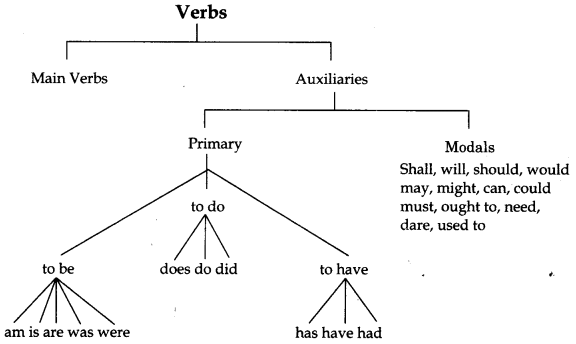
VERB
Def: An action, a state of being or existence (position) or possession
The boy cried. (Action)
Sam is a clever boy. (Position)
I have a bungalow. (Possession)
5
6
Def: A verb used to form tenses, mood, voice etc. of other verbs.
List:
Be, am, is, are, was, were, do, does, did, have, has, and had, shall, should, will, would, can, could, may, might. must, ought, need, dare, had to, have to, etc.
Be
a. As a principal verb ‘Be’ is used:
1. with a noun or pronoun identifying or asking about the subject
Eg : "Paul is a teacher."
b. As an auxiliary verb ‘Be’ is used:
1. In the formation of the continuous tense.
Eg. "He was writing."
7
DO (do, does, did)
As an auxiliary verb ‘Do’ is used to emphasize an assertion
Eg. "He does look sad."
HAVE (have, has, had)
As an auxiliary verb ‘Have’ is used with the infinitive to indicate obligation:
E.g. "I have to be there by ten O’clock."
SHALL
Used in first, second and third persons to express a command or promise:, threat or determination:
"He shall get a reward if you get first class."
"You shall be punished for your rude behavior."
SHOULD
in clauses of condition to express a supposition that may not be true
E.g. If they should come, ask them to wait.
after lest
Eg. Ride carefully lest you should fall.
8
DARE
As an auxiliary ‘dare’ is commonly used with ‘not’:
E.g. She dare not do it.
USED
Used is used:
1. to refer to a past habit / to describe what once was. It is followed by the to infinitive.
E.g. He used to spend his holidays with his brother. They used to look after their business.
2. ‘to be used’ is used to mean ‘accustomed’
E.g. He is used to driving long distances.
9
Multiple Choice
"Abdul became a soldier."
What type of a verb is "became"?
Transitive
Intransitive
Helping/Linking
10
Open Ended
Place a helping verb in the following sentence and show how the meaning of the sentence changes:
The police arrested the thief."
11
12
Multiple Choice
"John has a scooter."
What type of verb is "has"?
Transitive
Intransitive
Linking/helping
13
Multiple Choice
How many tenses and its types are available in English?
3
6
9
12
14
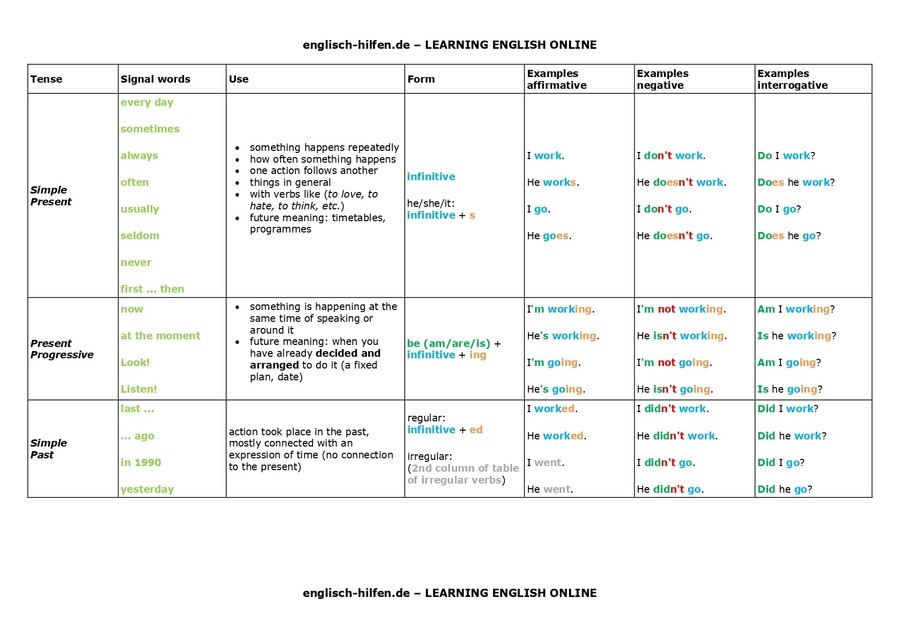
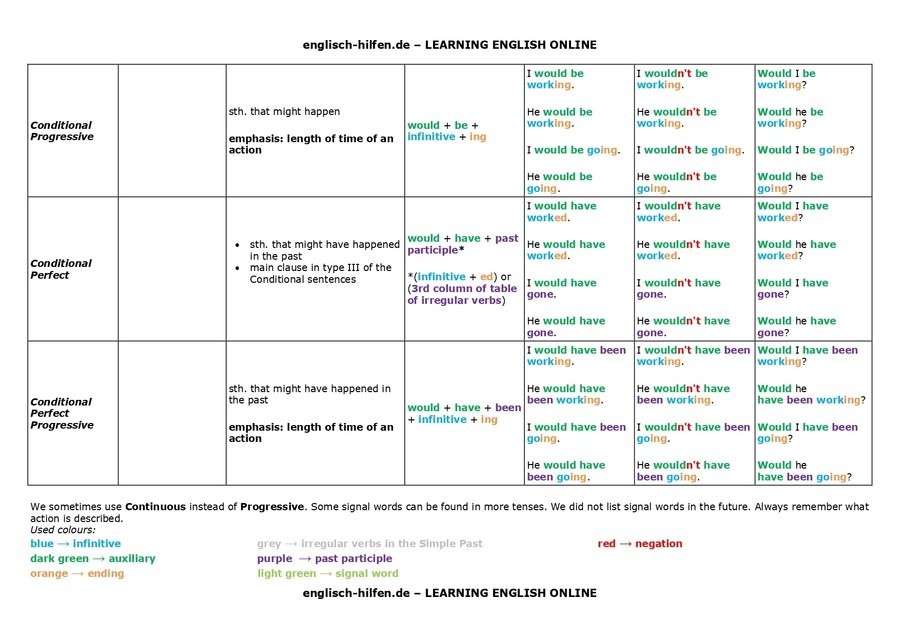
TENSE:
Def: Time of an action
TYPES:
Past,
Present
&
Future

15

16
17

18

19
20
Open Ended
"I will be leaving for work in a few minutes."
What tense is this sentence in?
21
Open Ended
Identify the mistake:
"We were on our way to school. Suddenly, the sky turns dark."
22
Fill in the Blanks
I was eating when she
Type answer...
23
Open Ended
I have been _____ (give) the opportunity to teach ES-I to 2nd year students.
24
Open Ended
Identify the error:
"I am so weak that I may not walk."
25
26

27

28

29
30
An Overview of this Week's Activity
Basics of Email
How to Talk about Various Speech Habits
Tips for Celebrity Interview.
By Team English @ Lendi
Show answer
Auto Play
Slide 1 / 30
SLIDE
Similar Resources on Wayground

20 questions
UNIT 9. COMPARATIVES AND SUPERLATIVES.
Presentation
•
University
22 questions
BBB3013 Prepositions & Prepositional Phrase (PP)
Presentation
•
University
24 questions
Essays
Presentation
•
University
20 questions
Present Perfect VS Present Perfect Continuous
Presentation
•
University
23 questions
Active and Passive Voice
Presentation
•
University
24 questions
SPM SPEAKING 2021
Presentation
•
University
26 questions
English X
Presentation
•
University
20 questions
Present Perfect
Presentation
•
University
Popular Resources on Wayground
21 questions
Continents and Oceans

Quiz
•
6th Grade
20 questions
Parts of Speech
Quiz
•
5th Grade
16 questions
Subject & Predicate
Quiz
•
5th Grade
25 questions
Multiplication Facts
Quiz
•
5th Grade
12 questions
Map Skills
Quiz
•
3rd Grade
22 questions
Continents and Oceans
Quiz
•
5th Grade
15 questions
Rounding Decimals
Quiz
•
5th Grade
20 questions
Brand Labels
Quiz
•
5th - 12th Grade