Search Header Logo
MP3 Review

MP3 Review

Assessment

Presentation

Science

6th - 8th Grade

Practice Problem

Medium

NGSS
MS-PS1-4, MS-ESS2-1, MS-ESS2-2

+4

Standards-aligned

Created by

Jennifer Peterson

Used 7+ times

FREE Resource

5 Slides • 15 Questions

1


​There are 3 types of thermal energy transfers:

Conduction: Transfer of energy by direct contact/touch.

Convection: Transfer of energy where warm air/liquid rises and cools then falls in currents.

Radiation: Transfer of energy through open space in waves.

Thermal Energy Transfers

media

2

Multiple Choice

Question image

What type of thermal energy transfer would a grill use to cook meat?

1

Conduction

2

Convection

3

Radiation

4

Density

3

Multiple Choice

Question image

If you fell at school and Nurse Tuggerson gave you an ice pack to put on your knee, what type of thermal energy transfer would occur?

1

The coldness of the ice would transfer to the heat in your knee by conduction.

2

The heat of your knee would warm up the ice and then travel back to your knee by convection.

3

The heat of your knee would transfer to the ice and melt the ice by conduction.

4

The heat of your knee is transferred to the ice pack by radiation.

4

Fill in the Blanks

media image

Type answer...

5

Multiple Choice

Question image

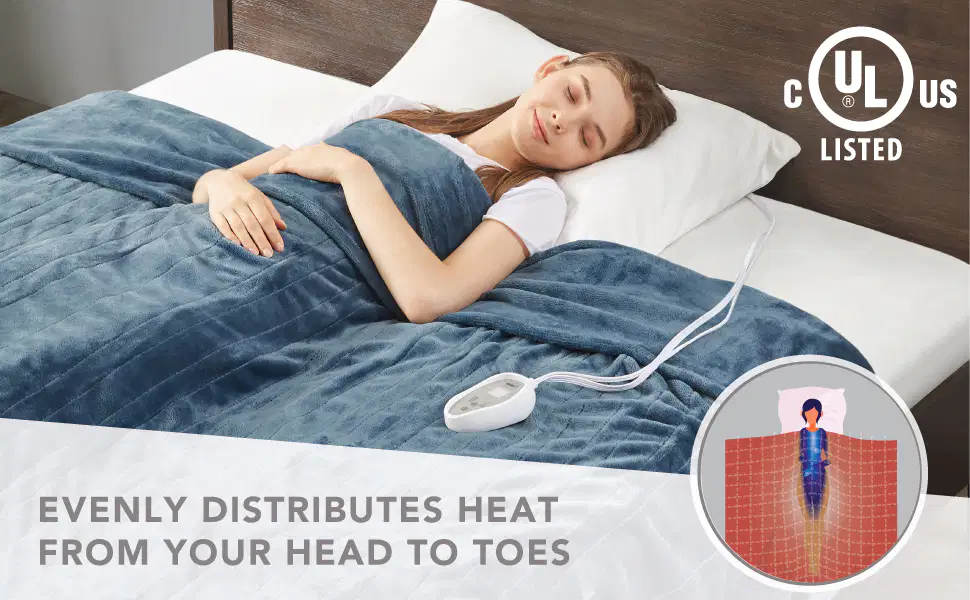
If you were to put an electric blanket onto your bed at night, which of the following statements explains how your bed warms up?

1

The bed would cool down the heat of the blanket.

2

You would transfer your coldness to the blanket.

3

The heat from the blanket would transfer to the bed.

6

Fill in the Blanks

media image

Type answer...

7

media

Earths Layers: Most of Earth is composed of very few elements: Silicon and Oxygen are the main two.

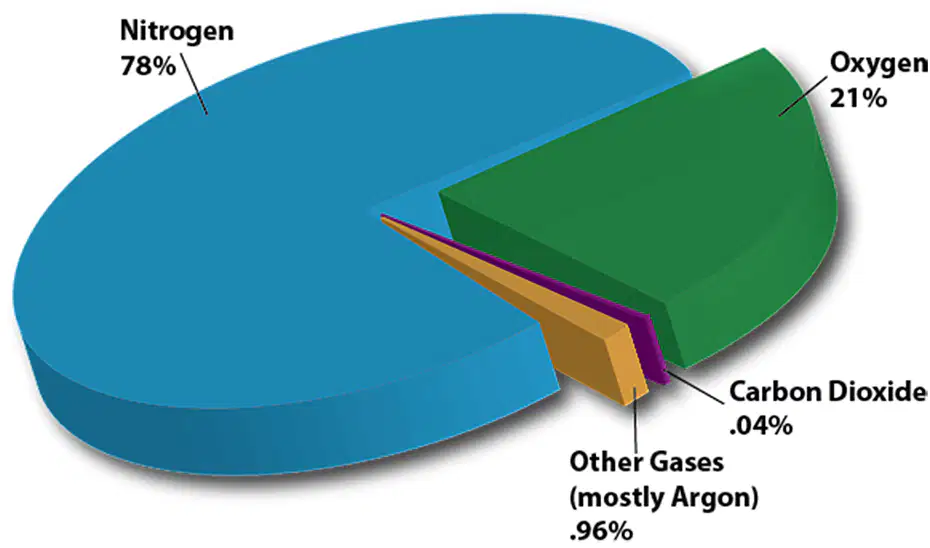
Earths Atmosphere: The atmosphere of Earth has few elements: Nitrogen and Oxygen are the two main elements.

Earth's Composition

8

Multiple Select

Question image

What two main elements is the Earth's layers mainly made up of?

1

Nitrogen

2

Silicon

3

Oxygen

4

Argon

9

Multiple Choice

Question image

What is the main element found in the atmosphere?

1

Oxygen

2

Carbon Dioxide

3

Nitrogen

4

Hydrogen

10

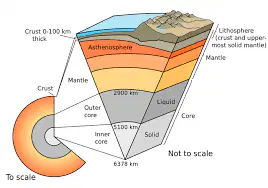
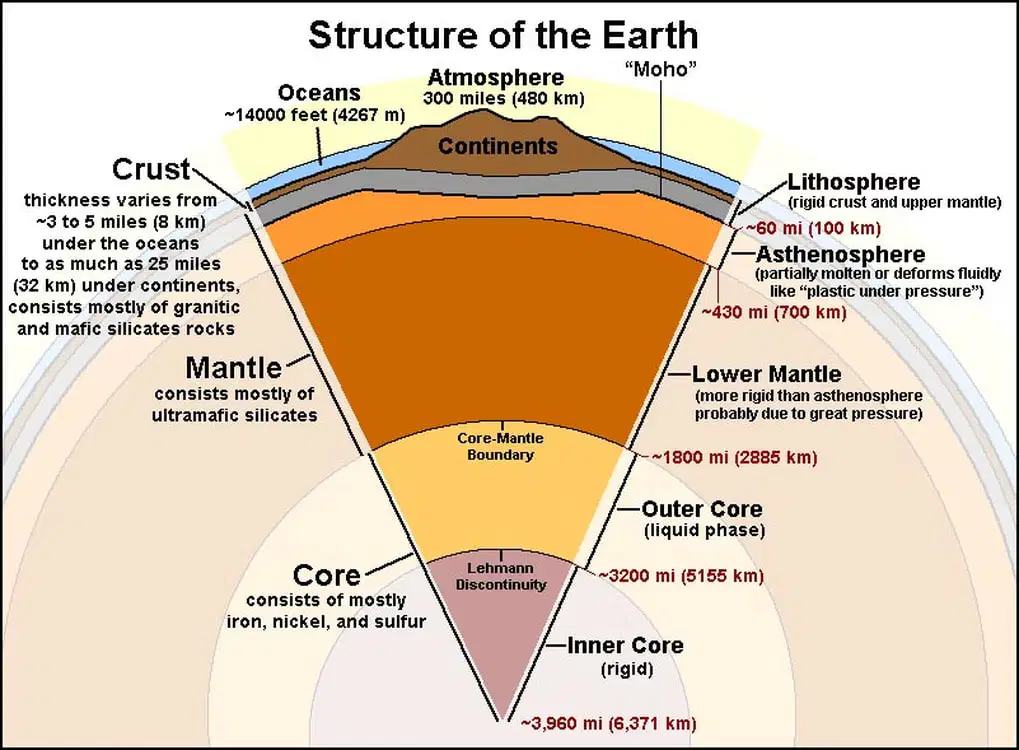
​There are 4 main layers of the Earth: Inner Core, Outer Core, Mantle, and Crust.

The Lithosphere is the lower layer of the crust.

The Asthenosphere is the upper layer of the mantle.

Layers of the Earth

media

11

Multiple Select

Question image

Which two layers are completely solid?

1

Crust

2

Mantle

3

Outer Core

4

Inner Core

12

Multiple Choice

Question image

Which layer of the Earth is made of solid metals?

1

Crust

2

Mantle

3

Outer Core

4

Inner core

13

media

​Arrows show the processes used to create new rocks.

Sediments use Compaction and Cementation to form Sedimentary Rocks.

​Sedimentary Rocks use Heat and Pressure to form Metamorphic Rocks.

Metamorphic Rocks Melt, Cool and Crystalize to become Igneous Rocks.

All use Weathering, Erosion, and Deposition to breakdown and move.

The Rock Cycle

14

Multiple Select

Question image

Which are steps to go from Metamorphic Rock into Magma and Igneous Rock?

1

Crystalization

2

Pressure

3

Melting

4

Cooling

15

Multiple Select

Question image

Which of these are the processes that all rocks use to break down and move?

1

Weathering

2

Deposition

3

Erosion

4

Melting

16

Multiple Choice

Question image

Compaction and Cementation create layered rocks called...

1

Magma

2

Igneous Rock

3

Metamorphic Rock

4

Sedimentary Rock

17

​Plates are named after their locations: think continents and oceans.

Convergent boundaries: Collide together forming mountains.

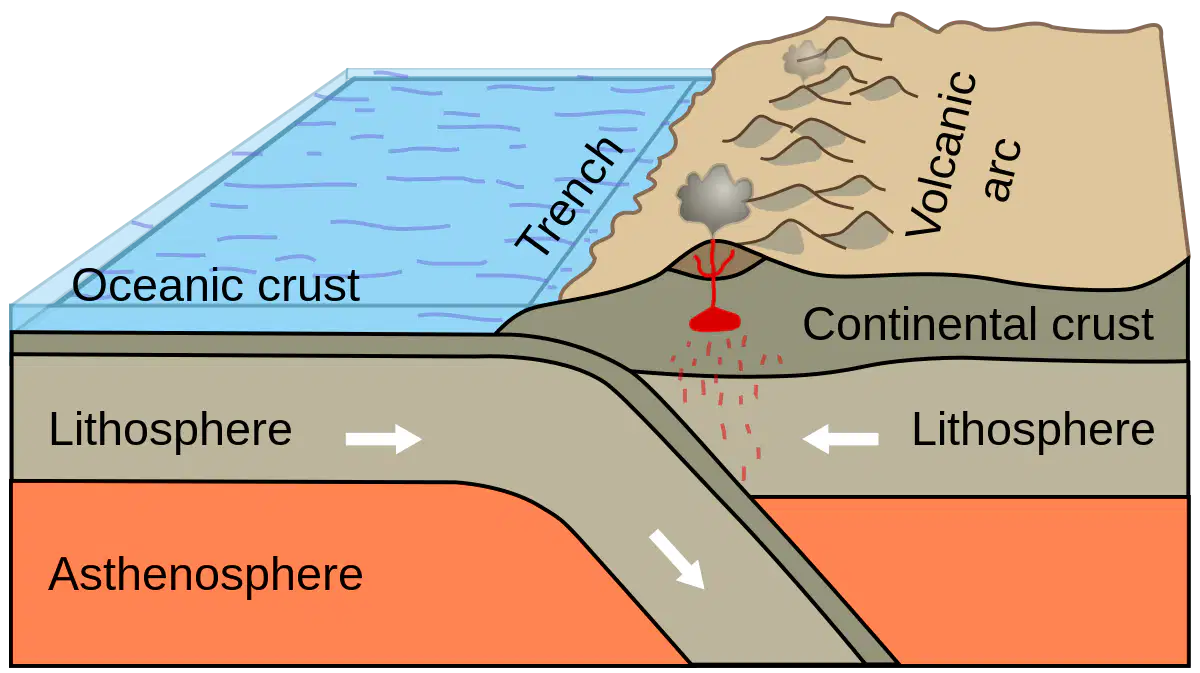
Subduction zones creates volcanoes with plates sliding under one another.

Divergent boundaries: Divide/Spread apart forming new land.

Transform boundaries: Slide against one another causing earthquakes to occur.

Plate Tectonics

media

18

Multiple Choice

Question image

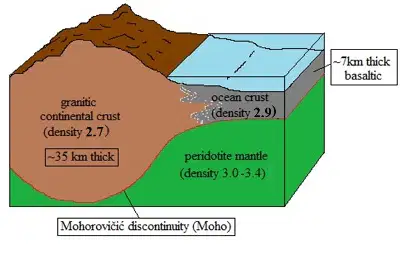
If oceanic crust is like a sponge that soaks up water, then how does its density compare to that of continental crust that is like a dry sponge?

1

Oceanic Crust is more dense than Continental Crust

2

Continental Crust is more dense than Oceanic Crust.

3

Continental Crust and Oceanic Crust have the same density

19

Multiple Select

Question image

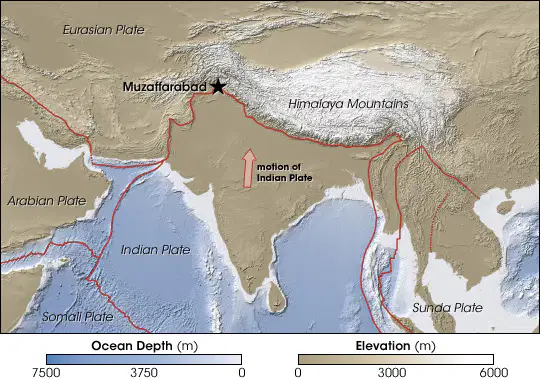
What two plates collide together to form the Himalayan mountains?

1

Indo-Australian Plate

2

North American Plate

3

Eurasian Plate

4

Nazca Plate

20

Multiple Choice

Question image

What type of boundary would create a volcano?

1

Divergent Boundary

2

Transform Boundary

3

Convergent Boundary

4

Subduction Zone

​There are 3 types of thermal energy transfers:

Conduction: Transfer of energy by direct contact/touch.

Convection: Transfer of energy where warm air/liquid rises and cools then falls in currents.

Radiation: Transfer of energy through open space in waves.

Thermal Energy Transfers

media

Show answer

Auto Play

Slide 1 / 20

SLIDE