

Music of the Middle Ages

Presentation
•
Social Studies
•
10th Grade
•
Hard

Laura Johnson
FREE Resource
11 Slides • 8 Questions
1
Music of the Middle Ages - Unit 3

2
All of Units 1, 2 and most of Unit 3
3.4.4 - Due Today
3.5.2 - Due tomorrow - We will review in class and then I will open the quiz
Are you reading the study guides/taking notes?
3
Multiple Choice
What was the official music of the Roman Catholic church?
Neume
Monophonic Plainchant
Free Meter
Latin Liturgy
4
Multiple Choice
Early music notation used in Gregorian Chant was called?
Neume
Monophonic
Troubadours
Trouvere
5
Multiple Choice
What were the traveling performers of secular music called in the Medieval era?
Neume
Modal
Pope Gregory
Troubadours
6
Multiple Choice
What institution dominated the Middle Ages?
Government
Upper Class
Christian Church
Peasant Class
7
8
Multiple Choice
The term Renaissance comes from the word renaitre which means ________.
Death
Rebirth
Dark ages
Pear of Irregular shape
9
10
Multiple Choice
-any of various symbols used in the notation of Gregorian chant
Mass
Madrigal
Litogryph
Neumes
11
12
Multiple Select
For most of the Medieval Period, was there any music that was written down?
Yes
No
Possibly
13
Multiple Choice
Who was a famous female composer of the Medieval Period?
Taylor Swift
Michael Miller
Hildegard von Bingen
Clara Schumann
14
15

Staff - 5 lines, 4 spaces
Notes - whole
half
quarter
eighth
ledger lines
treble clef
bass clef
Music Theory
16
Pianissimo pp very soft
Piano p soft
Mezzo piano mp Medium soft
Mezzo forte mf Medium loud
Forte f Loud
Fortissimo ff Very loud
Dynamics can range from very, very soft to very, very loud.
-These ranges are based off of two important Italian words – piano and forte
- If a composer wants the music to gradually get louder they will use a crescendo marking (<)
- If a composer wants the music to gradually get softer, they will use a decrescendo marking (>)
17
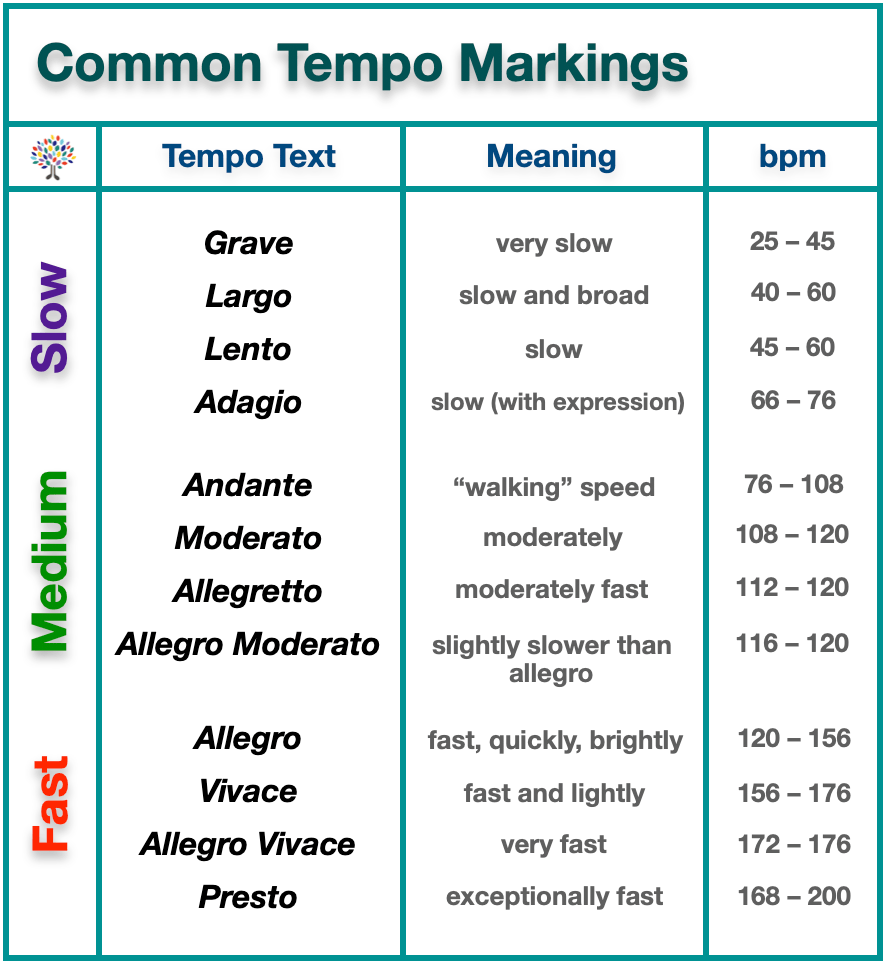
Refers to the speed of the beat.
Tempo can be slow, fast or somewhere in the middle.
Italian terms to describe the various speeds the composer intended.
Some text here about the topic of discussion.
Tempo
18
All of Units 1, 2 and most of Unit 3
3.4.4 - Due Today
3.5.2 - Due tomorrow - We will review in class and then I will open the quiz
Are you reading the study guides/taking notes?
19

Please complete the poll for your exit ticket today:)
See you tomorrow!
Exit Ticket
Music of the Middle Ages - Unit 3
Show answer
Auto Play
Slide 1 / 19
SLIDE
Similar Resources on Wayground

11 questions
Federalist Vs. Anti-Federalist
Presentation
•
10th Grade
15 questions
Gilded Age
Presentation
•
11th Grade
15 questions
VSC 3.1--Articles of Confederation: Strengths and Weaknesses
Presentation
•
11th Grade
12 questions
Industrial Revolution Part 1
Presentation
•
10th Grade
15 questions
Sentence Diagnostic
Presentation
•
10th Grade
15 questions
Mole & Molar Mass Conversions
Presentation
•
10th Grade
13 questions
An Opinion Essay
Presentation
•
10th Grade
13 questions
Primary Source Lesson
Presentation
•
10th Grade
Popular Resources on Wayground
10 questions
How much do you know about our Portrait of an Eagle?

Quiz
•
10th Grade
10 questions
Fast Food Slogans
Quiz
•
6th - 8th Grade
21 questions
Continents and Oceans
Quiz
•
6th Grade
20 questions
Parts of Speech
Quiz
•
5th Grade
16 questions
Subject & Predicate
Quiz
•
5th Grade
25 questions
Multiplication Facts
Quiz
•
5th Grade
12 questions
Map Skills
Quiz
•
3rd Grade
22 questions
Continents and Oceans
Quiz
•
5th Grade
Discover more resources for Social Studies
10 questions
Exploring the Age of Exploration: Key Events and Figures

Interactive video
•
6th - 10th Grade
10 questions
Exploring the 13 Colonies Regions
Interactive video
•
6th - 10th Grade
46 questions
Unit 1 Test REVIEW Ancient Greece and Rome
Quiz
•
9th - 12th Grade
10 questions
Exploring Ancient Mesopotamia Through Song
Interactive video
•
6th - 10th Grade
12 questions
supply and demand shifters
Quiz
•
9th - 12th Grade
9 questions
Exploring Ancient Mesopotamia and Its Civilizations
Interactive video
•
10th Grade
16 questions
Unit 3 Personal Finance Guided Notes
Presentation
•
9th - 12th Grade
16 questions
Enlightenment Review
Quiz
•
10th Grade