Open SciEd Biology Lesson 4 Clover Genetics and Environment
Presentation
•
Science
•
9th - 12th Grade
•
Practice Problem
•
Medium
+4
Standards-aligned
Alison Tasich
Used 183+ times
FREE Resource
2 Slides • 18 Questions
1
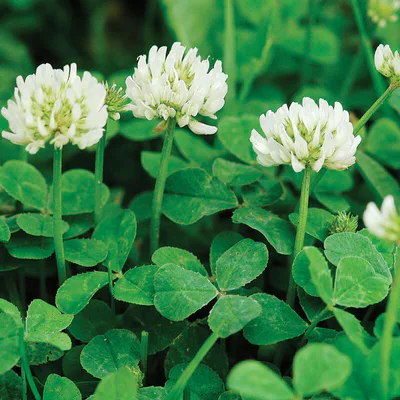
Clover: Genetics and Environment
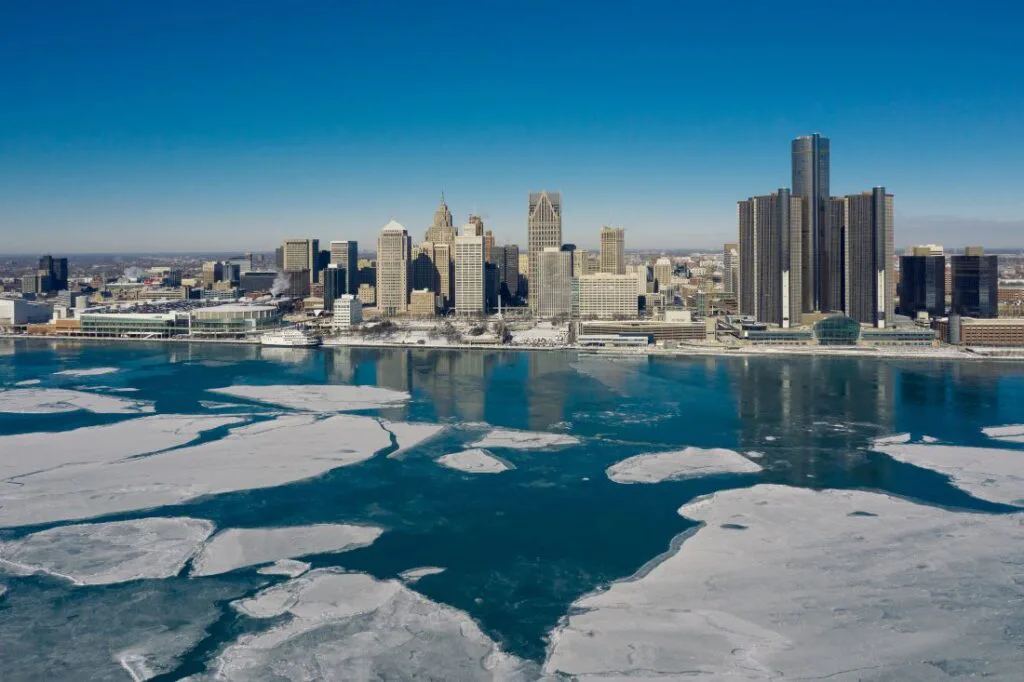
"What is causing the difference between urban and rural white clover?"
Open SciEd
B.4 Lesson 4
2
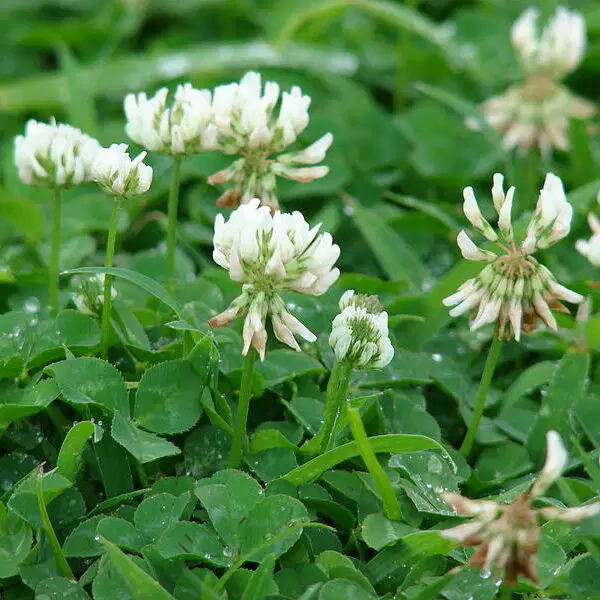
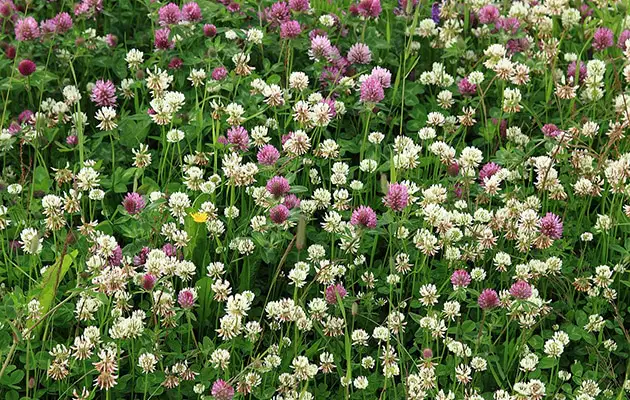
Investigate Clover
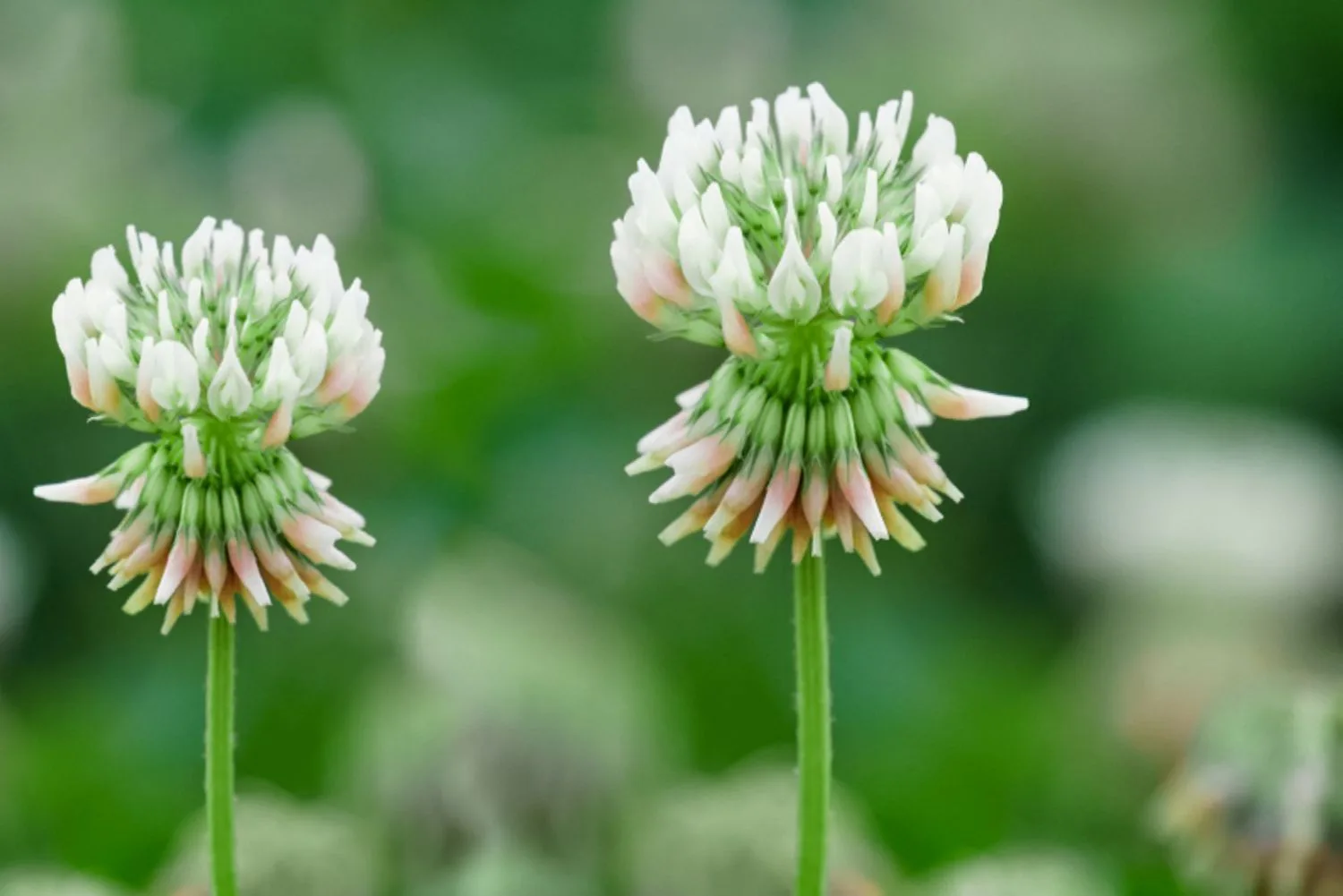
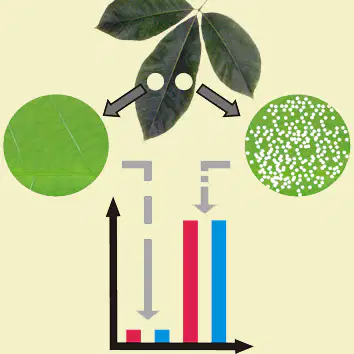
White clover can produce hydrogen cyanide.
HCN is poisonous to plants and animals
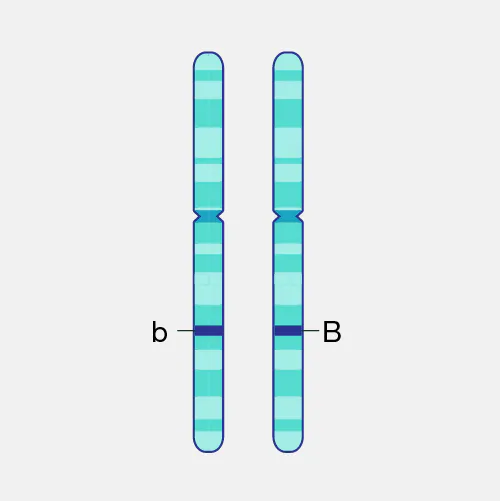
If white clover has the allele, it will produce HCN after it is damaged.
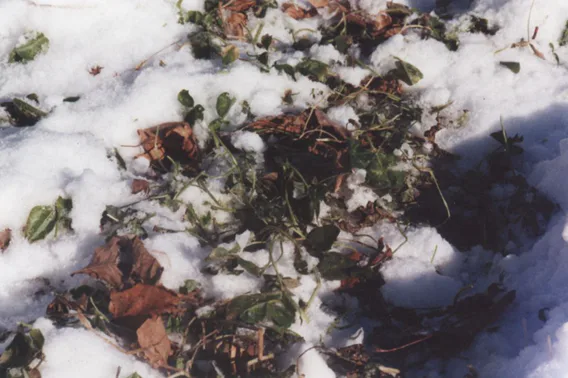
White clover in the rural areas can not endure extreme temperatures.
3
Multiple Choice
What is the purpose of hydrogen cyanide in white clover?
HCN does not appear in white clover.
HCN is a defense mechanism
HCN helps the plant to grow in cold climates
HCN stops photosynthesis in animals.
4
Multiple Choice
What is responsible for the production of hydrogen cyanide?
Hydrogen cyanide is in their bodies
White clover got used to the environment
There's a gene on the DNA for hydrogen cyanide
hydrogen cyanide absorbs heavy metals
5
Multiple Choice
How does HCN protect clover?
HCN is sweet tasting to the herbivores
HCN forms a barrier around the clover
HCN is poisonous to animals
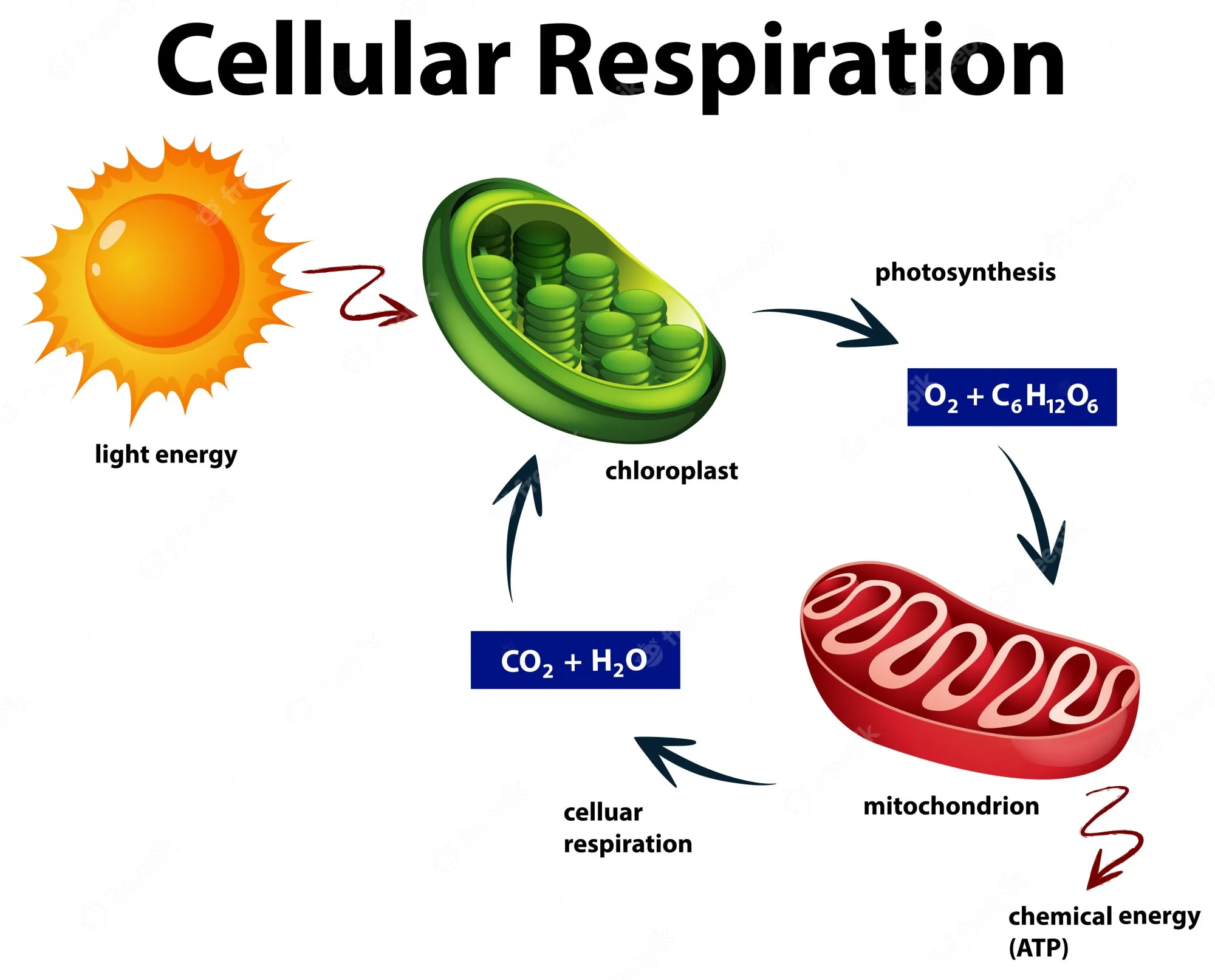
HCN hurts clover by not allowing the plant to go through cellular respiration
6
Multiple Choice
The white clover without the alleles have up to a 50% chance of surviving -10 degree C.
What does HCN do for white clover in cold temperatures?
HCN freezes the white clover to death
HCN acts like an anti-freeze and protects the white clover
HCN causes the white clover to die sooner in the cold than ones without HCN
HCN helps the white clover survive the cold.
7
Multiple Choice
If HCN is largely present in rural areas and can not survive super cold temps, we can conclude that:
Rural areas must be colder because rural white clover does not have HCN and can't survive the cold
Urban areas must be colder because urban white clover doesn't have HCN and can survive the cold.
Urban areas are the same temperature as rural.
There is no correlation.
8
Multiple Choice
Given the data that plants with HCN can’t survive certain cold temperatures, we can conclude that urban temperatures must be colder than rural areas.
True
False
Never true
Never false
9
Multiple Choice
What is the source of the clover’s ability to make HCN?
White clover got used to the environment
It adapted
White clover has an extra chromosome.
White clover has DNA with instructions to make HCN
10
Dropdown
11
Fill in the Blanks
Type answer...
12
Multiple Choice
What happens to the frequency of the alleles for HCN when making HCN is beneficial?
The alleles for HCN go up when beneficial
The alleles for HCN go down when beneficial
The alleles mutate to stop making HCN
The alleles for HCN start making HCl
13
Multiple Choice
What happens to the frequency of the alleles for HCN when making HCN is NOT beneficial?
The alleles for HCN go down when not beneficial.
The alleles for HCN go down when beneficial.
The alleles mutate to stop making HCN when not beneficial.
The alleles for HCN start making HCl when beneficial.
14
Multiple Choice
We know that
clover produces HCN in rural areas as a defense against predators but not so much in the city.
clover that produces HCN can not survive certain temperatures.
What could be two possible mechanisms that explain the differences between urban and rural clover?
genetics and temperture
genetics and fresh air
genetics and hervibory
genetics and city life
15
Multiple Choice
Is being poisonous always beneficial?
Not always
Always
Never
Depends on city or country life
16
Multiple Choice
How is cyanogenesis inherited?
Cyanogenesis comes from herbivores.
Cyanogenesis comes from the environment
Cyanogenesis comes from cold air
Cyanogenesis comes from genes
17
Multiple Choice
When is cyanogenesis not beneficial
In the presence of herbivores
In the heat
In the cold
In the city
18
Match
Match up the following
sweet
sour
salty
bitter
sugar
lemons
pretzels
Hydrogen cyanide
sugar
lemons
pretzels
Hydrogen cyanide
19
Match
HCN stops cellular respiration
Photosynthesis
Cellular respiration
Cellular respiration burns
Without cellular respiration
carbon dioxide in and oxygen out
oxygen in and carbon dioxide out
glucose to make and do things
organisms can not get the energy to make and do things and they die
carbon dioxide in and oxygen out
oxygen in and carbon dioxide out
glucose to make and do things
organisms can not get the energy to make and do things and they die
20
Multiple Choice
We now know that rural white clover can't survive extreme cold due to its HCN.
We now know that city white clover can survive cold because it doesn't have HCN.
We now know that HCN is genetic.
Now we now investigate:
City temperatues are colder than rural so the non HCN white clover can survive.
Rural temperatures are colder than city so the HCN clover can survive
If rural and city temps are the same so all white clover can survive.
If city temps are colder than rural only every 100 years.
Clover: Genetics and Environment
"What is causing the difference between urban and rural white clover?"
Open SciEd
B.4 Lesson 4
Show answer
Auto Play
Slide 1 / 20
SLIDE

Similar Resources on Wayground
13 questions
Chemistry of Life
Presentation
•
9th - 12th Grade
15 questions
Biological and Social Hazards Lesson
Presentation
•
9th - 12th Grade
19 questions
Structure of Atom
Presentation
•
9th - 12th Grade
17 questions
Sedimentary Environments Near Shorelines
Presentation
•
9th - 12th Grade
15 questions
Compound-complex sentences
Presentation
•
9th - 12th Grade
15 questions
Finding Zeros of a Function Lesson
Presentation
•
9th - 12th Grade
15 questions
Completing the Square
Presentation
•
9th - 12th Grade
18 questions
Cell Structures/Organelles
Presentation
•
9th - 12th Grade
Popular Resources on Wayground
25 questions
The Ultimate College Knowledge Quiz
Quiz
•
8th Grade
20 questions
Math Review
Quiz
•
3rd Grade
15 questions
Fast food
Quiz
•
7th Grade
20 questions
Math Review
Quiz
•
6th Grade
20 questions
Context Clues
Quiz
•
6th Grade
20 questions
Inferences
Quiz
•
4th Grade
19 questions
Classifying Quadrilaterals
Quiz
•
3rd Grade
20 questions
Figurative Language Review
Quiz
•
6th Grade
Discover more resources for Science
20 questions
MCAS Biology Review
Quiz
•
9th - 10th Grade
21 questions
Explore DNA Processes and Protein Formation
Quiz
•
9th - 12th Grade
20 questions
Human Impact on the Environment Review #2
Quiz
•
9th Grade
50 questions
living environment regents review
Quiz
•
9th Grade
17 questions
Unit 9 - Chemical and Nuclear Reactions
Quiz
•
9th - 12th Grade
50 questions
chem final review
Quiz
•
9th Grade
10 questions
Exploring Ecological Levels: Organism to Ecosystem
Interactive video
•
6th - 10th Grade
233 questions
BioPhysics B - Final Exam
Quiz
•
9th - 12th Grade