

Creative Writing 5-2

Presentation
•
English
•
10th Grade
•
Practice Problem
•
Hard

Cynthia Phillips
Used 2+ times
FREE Resource
18 Slides • 0 Questions
1
Unit 5 - 2 Rhyming
5-1 Due Date 4/14
5-2 Due Date 4/26
5-3 Due Date 5/01
5-4 Due Date 5/06
5.5.2 CST & 5.5.3 TST Due Date 5/09

2
3
Identify the characteristics of rhyme and rhyming patterns, and explore how rhyme can add musical qualities to a poem.
Observe and explore the use of sound and rhyme in poetry through guided close reading.
Discover how rhyme can add surprise to poetry.


4
Most people agree that rhyme helps us remember lines of poetry.
The most basic type of rhyme involves two words that have the same vowel sound and ending consonants but different beginning consonants, like the words blight and flight or the words still and will.
Charles Baudelaire (1821 - 1867) believed that every writer should be able to come up with at least 10 rhymes for any word. But sometimes that can be difficult. ORANGE?

5

Dante's Inferno is rarely translated in rhyme because it is more difficult to rhyme in English than it is in Italian. Rhyme has been used in many parts of the world beginning as early as the 10th century BC. But languages are structured in different ways — and, therefore, so is rhyme.
6
So what does rhyming do in a poem? If vivid images add an engaging visual component, rhymes can add a vivid sound component, engaging more of a reader's senses.
When you're thinking about rhyme, consider the musicality and beauty of each word and the way these elements interact with each other. Why is it that some rhymes really seem to "sing"?
Using rhymes can also create other physical sensations in the reader or listener. Have you ever noticed that your anticipation builds when you sense a rhyme is coming in a poem?

7
The most common and popular use of rhyme in a poem is the end rhyme. An end rhyme involves two rhyming words that come at the end of two lines of poetry. Lines with end rhyme can appear right next to each other or be separated by other lines.
Let's look at "When You Are Old" by W.B. Yeats.
When you are old and grey and full of sleep,
And nodding by the fire, take down this book,
And slowly read, and dream of the soft look
Your eyes had once, and of their shadows deep;
How many loved your moments of glad grace,
And loved your beauty with love false or true,
But one man loved the pilgrim soul in you,
And loved the sorrows of your changing face;
And bending down beside the glowing bars,
Murmur, a little sadly, how Love fled
And paced upon the mountains overhead
And hid his face amid a crowd of stars.
8
When a poem uses rhymes in a repeating pattern — such as in the Yeats poem we looked at on the previous page — the pattern is known as a rhyme scheme. A rhyme scheme can be represented by letters indicating the pattern of the rhyme, with matching letters for matching rhymes.
For instance, Yeats's poem uses a rhyme scheme of abba, cddc, effe (reading down). For the first stanza, the first line (a) rhymes with the fourth line (the second a), and two different rhymes are sandwiched between (bb).
9
It is very tempting, as a poet, to end your lines at the end of a sentence. This practice makes your rhymes stand out and they impact the reader more. Perhaps the poet desires a more subtle effect or perhaps he/she wants to build tension and interest by taking the thought into the next line.
Think about running the sentence past the end rhyme from time to time. Placing the end of a rhymed line in the middle of a sentence can alter pacing.
I once went over Niagara Falls
in a barrel. And that's not all -

10
Rhyming can be used to make a poem more memorable to the reader.
Rhyming can create a sense of harmony and repetition in the reader's mind.
Because English is a complicated language drawn from many roots, rhyming in English can be seen as more difficult or more interesting.
End rhymes come at the ends of the lines and connect two or more lines of poetry.
A rhyme scheme shows the pattern of the end rhymes throughout a poem. The first rhyme is always marked a, and all rhymes that match it are also a. The next rhyme is marked b, all matching rhymes are marked b, and so on.
11
"the sonnet-ballad" by Gwendolyn Brooks
"One Art" by Elizabeth Bishop
"Analysis of Baseball" by May Swenson
You may want to seek some help understanding...... also, the Reading Guide will point out what you SHOULD get from the selections.
It is a good idea to make sure you "get" what the poets are trying to say..... a 10 question quiz follows the readings.

12
Rhyme has always been a device that poets find fascinating. However, some contemporary poets wonder whether rhyming has become a cliché because the technique has been overused.
One way to stay fresh is to work with internal rhyme. Internal rhyme is a rhyme that comes at a point other than the end of the line; this way, it can draw less attention to itself and seem more surprising when it appears.
Internal rhymes can be placed far apart or close together. They can even appear within the same line.

13
Many readers associate slant rhyme with the American poet Emily Dickinson, because she was the first successful writer to employ regular usage of this rhyming technique.
While perfect rhyme involves two words with shared final vowel and consonant sounds, slant rhyme shares only some of those elements. Two words that share the same final consonant sounds but have different vowel sounds can be a slant rhyme. For example, half and puff make a slant rhyme, because they end with the same consonant sound but have different vowel sounds. (Half and calf, on the other hand, would form a perfect rhyme.) The phrase slant rhyme is sometimes used to refer to any "close" rhyme, too.
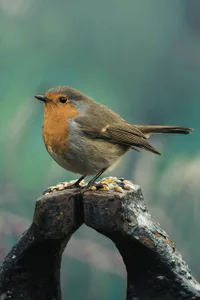
"Hope" is the thing with feathers —
That perches in the soul —
And sings the tune without the words —
And never stops — at all —
14
Another way to make rhymes more interesting and surprising is to play with rhyming words that contain more than one syllable. It's sometimes tempting to rhyme words that have only one syllable because that's easier, but keep in mind that longer rhymes can be unexpected and, therefore, exciting to the reader.
Multisyllabic rhymes can seem tricky, but there are some different ways you can approach them. You can try rhyming all of the syllables of the word with another multisyllabic word, or you could use several smaller words:
Teaches
Possible rhyming words and phrases: reaches; breeches; teach his.
Or you can just rhyme with the final syllable of the multisyllabic word. For example:
Forgetting
Possible rhyming words and phrases: ring; sing; thing.
15
You can rhyme using different syllables in the multisyllabic word (not just the final syllable), or try rhyming the syllables in a different order. This may not be a "perfect" rhyme, but it still includes musicality and a harmonious quality of sound play while increasing the feeling of freshness or surprise.
Undertow
Possible rhyming words and phrases: thunder; plunder; town wonders; snow summer.

16
Internal rhymes are rhymes that occur at a place other than at the end of a line.
Slant rhymes are rhymes in which only the final consonants of the words are rhymed.
Multisyllabic rhymes can rhyme all of the syllables in words, just the last syllable of the multisyllabic words, or a different syllable (or syllables).
17
Write a poem in which you focus on the elements of rhyme. You can use perfect rhyme or slant rhyme, and your poem should include examples of both end rhyme and internal rhyme. Poetry, as we have seen, is often made more vivid by powerful word choice and imagery; however, sounds are a vital part of the poet's toolbox, and a poem with surprising and enchanting sounds can thrill a reader no matter what the images are. Work out the end rhymes for each line of your poem before you start writing, and try to include internal rhymes as well. Use a clean, easily readable font. Your final poem should be at least 14 lines long.

18

Respond to ME in the CHAT:
In poetry.... what is line overflow?
Unit 5 - 2 Rhyming
5-1 Due Date 4/14
5-2 Due Date 4/26
5-3 Due Date 5/01
5-4 Due Date 5/06
5.5.2 CST & 5.5.3 TST Due Date 5/09
Show answer
Auto Play
Slide 1 / 18
SLIDE
Similar Resources on Wayground

11 questions
Parallel Structure
Presentation
•
10th Grade
15 questions
Comparative adjectives
Presentation
•
10th Grade
13 questions
Report Text
Presentation
•
10th Grade
10 questions
Preposition
Presentation
•
10th Grade
13 questions
Gerunds and Gerund Phrases
Presentation
•
10th Grade
14 questions
Has/ have (Simple Present Tense)
Presentation
•
10th Grade
12 questions
Gerunds & Infinitives
Presentation
•
10th Grade
13 questions
The Power of Words: Exploring Different Text Types
Presentation
•
10th Grade
Popular Resources on Wayground
21 questions
Continents and Oceans

Quiz
•
6th Grade
20 questions
Parts of Speech
Quiz
•
5th Grade
16 questions
Subject & Predicate
Quiz
•
5th Grade
25 questions
Multiplication Facts
Quiz
•
5th Grade
12 questions
Map Skills
Quiz
•
3rd Grade
22 questions
Continents and Oceans
Quiz
•
5th Grade
15 questions
Rounding Decimals
Quiz
•
5th Grade
20 questions
Brand Labels
Quiz
•
5th - 12th Grade
Discover more resources for English
20 questions
Context clues
Quiz
•
10th Grade
10 questions
Exploring the Role of Setting in Storytelling

Interactive video
•
6th - 10th Grade
15 questions
Adjectives!
Quiz
•
10th Grade
10 questions
Identifying Common and Proper Nouns
Interactive video
•
6th - 10th Grade
18 questions
10th Logical Fallacies
Presentation
•
9th - 12th Grade
10 questions
Citing Text Evidence in the RACE Strategy
Interactive video
•
6th - 10th Grade
10 questions
Identifying Themes in Poetry
Interactive video
•
6th - 10th Grade
20 questions
Subject Verb Agreement
Quiz
•
10th Grade