

Great Medical Discoveries in History

Presentation
•
Social Studies
•
7th Grade
•
Practice Problem
•
Easy

G Wells
Used 4+ times
FREE Resource
7 Slides • 8 Questions
1


Great Medical
Discoveries in
History
Great Medical
Discoveries in
History
Great Medical
Discoveries in
History
2

Introduction
Great Medical Discoveries in History
explores the most important
breakthroughs that have revolutionized
the way we treat diseases. From the
discovery of penicillin to the development
of vaccines, these discoveries have saved
countless lives and paved the way for
modern medicine.
Great Medical Discoveries in History
explores the most important
breakthroughs that have revolutionized
the way we treat diseases. From the
discovery of penicillin to the development
of vaccines, these discoveries have saved
countless lives and paved the way for
modern medicine.
Great Medical Discoveries in History
explores the most important
breakthroughs that have revolutionized
the way we treat diseases. From the
discovery of penicillin to the development
of vaccines, these discoveries have saved
countless lives and paved the way for
modern medicine.
3

Germ Theory
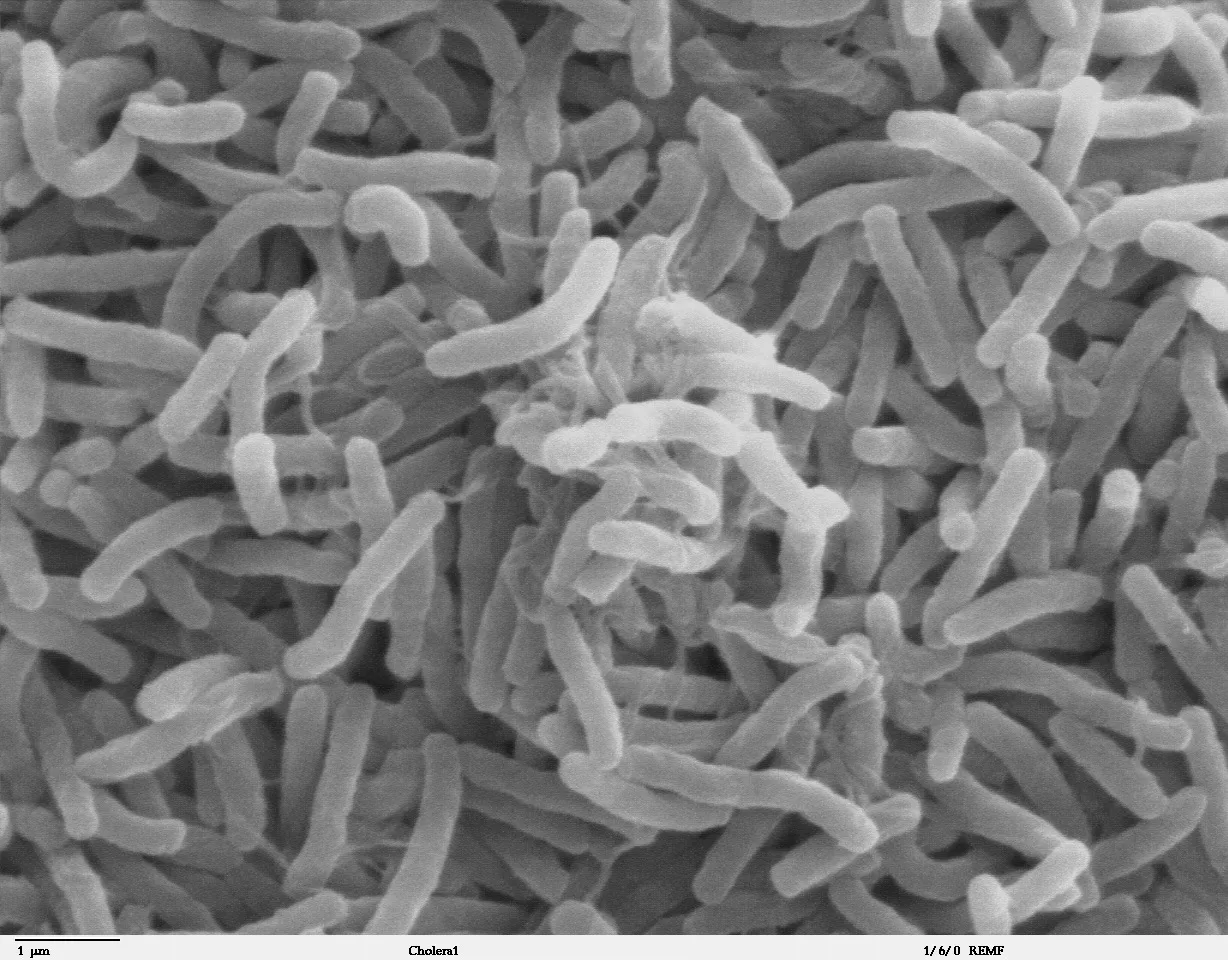
In the 19th century, Germ Theory revolutionized
medicine by proving that microorganisms cause
disease. Louis Pasteur and Robert Koch were
pioneers in this field, developing techniques for
identifying and isolating bacteria. This discovery led
to the development of antibiotics and vaccines,
saving countless lives.
In the 19th century, Germ Theory revolutionized
medicine by proving that microorganisms cause
disease. Louis Pasteur and Robert Koch were
pioneers in this field, developing techniques for
identifying and isolating bacteria. This discovery led
to the development of antibiotics and vaccines,
saving countless lives.
In the 19th century, Germ Theory revolutionized
medicine by proving that microorganisms cause
disease. Louis Pasteur and Robert Koch were
pioneers in this field, developing techniques for
identifying and isolating bacteria. This discovery led
to the development of antibiotics and vaccines,
saving countless lives.
4
Multiple Choice
What is Germ Theory?
A theory about the origin of germs
A theory about the spread of germs
A theory about the role of microorganisms in causing disease
A theory about the treatment of germs
5
Multiple Choice
Who were the pioneers in the field of Germ Theory?
Louis Pasteur and Robert Koch
Alexander Fleming and Jonas Salk
Charles Darwin and Gregor Mendel
Isaac Newton and Albert Einstein
6
Multiple Choice
What did the discovery of Germ Theory lead to?
The development of antibiotics and vaccines
The development of alternative medicine
The development of home remedies
7

Vaccines
Vaccines are one of the most important medical
discoveries in history. They work by stimulating the
immune system to recognize and fight off specific
diseases. From smallpox to polio, vaccines have
eradicated or greatly reduced the incidence of
many deadly diseases.
Vaccines are one of the most important medical
discoveries in history. They work by stimulating the
immune system to recognize and fight off specific
diseases. From smallpox to polio, vaccines have
eradicated or greatly reduced the incidence of
many deadly diseases.
Vaccines are one of the most important medical
discoveries in history. They work by stimulating the
immune system to recognize and fight off specific
diseases. From smallpox to polio, vaccines have
eradicated or greatly reduced the incidence of
many deadly diseases.
8
Multiple Choice
How do vaccines work?
By creating diseases in the body
By reducing the incidence of deadly diseases
By stimulating the immune system to fight off specific diseases
By eradicating diseases completely
9
Multiple Choice
What is the purpose of vaccines?
To stimulate the immune system to recognize and fight off specific diseases
To create new diseases in the body
To eradicate all diseases
To reduce the incidence of non-deadly diseases
10

Anesthesia
Before the discovery of anesthesia,
surgery was a painful and often
deadly procedure. In the mid-19th
century, anesthesia was discovered,
allowing patients to undergo surgery
without feeling any pain. This led to
the development of modern surgical
techniques and made surgery a
much safer and more effective
treatment option.
Before the discovery of anesthesia,
surgery was a painful and often
deadly procedure. In the mid-19th
century, anesthesia was discovered,
allowing patients to undergo surgery
without feeling any pain. This led to
the development of modern surgical
techniques and made surgery a
much safer and more effective
treatment option.
Before the discovery of anesthesia,
surgery was a painful and often
deadly procedure. In the mid-19th
century, anesthesia was discovered,
allowing patients to undergo surgery
without feeling any pain. This led to
the development of modern surgical
techniques and made surgery a
much safer and more effective
treatment option.
11
Drag and Drop
12

Penicillin was the first antibiotic
discovered, and it revolutionized medicine
by providing a cure for bacterial infections.
Alexander Fleming discovered penicillin in
1928, and it was first used to treat
wounded soldiers in World War II. Today,
antibiotics are widely used to treat a
variety of infections.
Penicillin was the first antibiotic
discovered, and it revolutionized medicine
by providing a cure for bacterial infections.
Alexander Fleming discovered penicillin in
1928, and it was first used to treat
wounded soldiers in World War II. Today,
antibiotics are widely used to treat a
variety of infections.
Penicillin was the first antibiotic
discovered, and it revolutionized medicine
by providing a cure for bacterial infections.
Alexander Fleming discovered penicillin in
1928, and it was first used to treat
wounded soldiers in World War II. Today,
antibiotics are widely used to treat a
variety of infections.
Penicillin
13
Dropdown

14

Conclusion
Great medical discoveries have changed the course of history,
saving countless lives and improving the health and well-being of
people all over the world. These breakthroughs have been made
possible by the dedication and hard work of scientists,
researchers, and healthcare professionals. As we continue to push
the boundaries of medical science, we can look forward to even
more incredible discoveries in the future.
Great medical discoveries have changed the course of history,
saving countless lives and improving the health and well-being of
people all over the world. These breakthroughs have been made
possible by the dedication and hard work of scientists,
researchers, and healthcare professionals. As we continue to push
the boundaries of medical science, we can look forward to even
more incredible discoveries in the future.
Great medical discoveries have changed the course of history,
saving countless lives and improving the health and well-being of
people all over the world. These breakthroughs have been made
possible by the dedication and hard work of scientists,
researchers, and healthcare professionals. As we continue to push
the boundaries of medical science, we can look forward to even
more incredible discoveries in the future.
15
Open Ended
What medical discoveries do you think we'll see in your lifetime?
Great Medical
Discoveries in
History
Great Medical
Discoveries in
History
Great Medical
Discoveries in
History
Show answer
Auto Play
Slide 1 / 15
SLIDE
Similar Resources on Wayground

12 questions
Understanding Timelines
Presentation
•
7th Grade
12 questions
Shintoism
Presentation
•
7th Grade
14 questions
Enlightenment Influences
Presentation
•
7th Grade
10 questions
Supply and Demand
Presentation
•
6th Grade
11 questions
United Kingdom's Parliamentary Democracy
Presentation
•
6th Grade
11 questions
Min Day Lesson
Presentation
•
7th Grade
12 questions
Texas/Mexican Independence
Presentation
•
7th Grade
Popular Resources on Wayground
21 questions
Continents and Oceans

Quiz
•
6th Grade
20 questions
Parts of Speech
Quiz
•
5th Grade
16 questions
Subject & Predicate
Quiz
•
5th Grade
25 questions
Multiplication Facts
Quiz
•
5th Grade
12 questions
Map Skills
Quiz
•
3rd Grade
22 questions
Continents and Oceans
Quiz
•
5th Grade
15 questions
Rounding Decimals
Quiz
•
5th Grade
20 questions
Brand Labels
Quiz
•
5th - 12th Grade
Discover more resources for Social Studies
10 questions
Exploring the Age of Exploration: Key Events and Figures

Interactive video
•
6th - 10th Grade
12 questions
13 Colonies Geography and Economy
Quiz
•
7th Grade
26 questions
SW Asia History
Quiz
•
7th Grade
15 questions
Historical Inquiry Vocab Quiz
Quiz
•
6th - 8th Grade
20 questions
US Involvement in the Middle East
Quiz
•
7th Grade
19 questions
Influencing Govt (Interest Groups-Media)
Quiz
•
6th - 8th Grade
8 questions
Notes: Argumentative Writing
Presentation
•
7th - 8th Grade
5 questions
American Revolution
Interactive video
•
7th Grade